
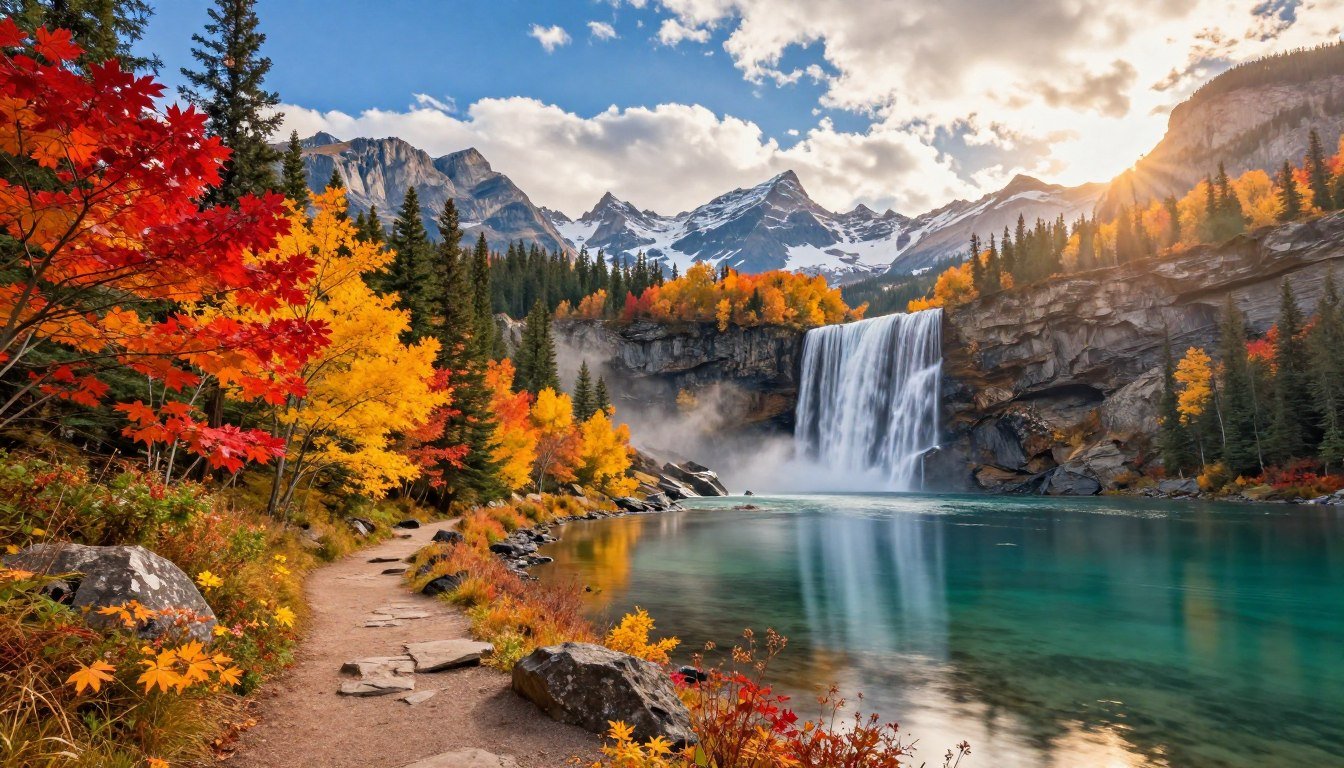
Explore Canada’s Stunning Natural Wonders for Nature Lovers: Canada is renowned for its breathtaking natural beauty, making it a paradise for outdoor enthusiasts. The country’s diverse landscapes range from the majestic Rocky Mountains to serene lakes and forests, offering a wide range of experiences for nature lovers.
This article will explore the most spectacular natural destinations in Canada, including its renowned Canadian national parks, where visitors can enjoy scenic hiking trails, wildlife watching, and eco-friendly tourism spots. Whether you’re an avid hiker or simply looking to immerse yourself in nature, Canada has something to offer.
From the rugged coastlines to the vast wilderness, Canada’s natural wonders are a testament to the country’s commitment to preserving its natural heritage. Discover the best experiences that Canada’s great outdoors has to offer.
Canada’s Natural Heritage: A Paradise for Outdoor Enthusiasts
From the rugged mountains to the serene coastlines, Canada’s natural heritage is a treasure trove for outdoor adventurers. Canada’s diverse ecosystems, which span across six time zones, offer a wide range of experiences for nature lovers.
Diverse Ecosystems Across Six Time Zones
Canada’s vast territory encompasses various ecosystems, including lush forests, towering mountains, and pristine coastlines. The country’s diverse geography supports a wide range of flora and fauna, making it an ideal destination for outdoor enthusiasts. The different regions offer unique experiences, from hiking in the Rocky Mountains to exploring the ancient forests of British Columbia.

| Ecosystem | Location | Features |
|---|---|---|
| Mountainous | Rocky Mountains | Hiking, skiing, glaciers |
| Coastal | Pacific Rim | Rainforests, beaches, marine wildlife |
| Forest | British Columbia | Ancient forests, diverse wildlife |
Seasonal Variations and Prime Visiting Times
Understanding the seasonal variations is crucial for planning a trip to Canada’s natural wonders. The summer months (June to August) are ideal for hiking and camping, while the autumn season (September to November) offers a kaleidoscope of colors. The winter months (December to February) are perfect for skiing and snowboarding, and the spring season (March to May) is great for wildlife watching.
Prime visiting times: Summer for hiking and camping, autumn for foliage, winter for skiing, and spring for wildlife.
The Best Places to Visit in Canada for Nature Lovers
For those who cherish the great outdoors, Canada stands out as a premier destination, boasting some of the world’s most spectacular natural wonders. From the majestic Rocky Mountains to the serene lakes and forests of Ontario, Canada’s diverse landscapes offer a wealth of experiences for nature enthusiasts.
Overview of Canada’s Most Spectacular Natural Destinations
Canada is home to a wide range of natural attractions that cater to different interests. Some of the most notable destinations include:
- The Rocky Mountains, with their breathtaking peaks and turquoise lakes
- The ancient forests of Vancouver Island
- The rugged coastline of Nova Scotia
- The vast, pristine wilderness of the Yukon and Northwest Territories
Planning Your Nature-Focused Canadian Adventure
To make the most of your trip, careful planning is essential. Here are some key considerations:
Essential Gear for Canadian Wilderness Exploration
When venturing into Canada’s wilderness, it’s crucial to be well-prepared. Essential gear includes sturdy hiking boots, waterproof clothing, and a reliable map or GPS device. Depending on the season, additional items such as bear spray or insect repellent may also be necessary.
Transportation Options Between Natural Attractions
Canada’s natural attractions are often spread out, making transportation a key consideration. Options range from renting a car to using public transportation or guided tours. For longer distances, domestic flights can be a convenient choice.
| Destination | Best Time to Visit | Primary Activities |
|---|---|---|
| Rocky Mountains | June to September | Hiking, Camping, Wildlife Watching |
| Vancouver Island | March to October | Hiking, Surfing, Wildlife Watching |
| Nova Scotia | May to October | Hiking, Kayaking, Whale Watching |

The Majestic Rocky Mountains: Banff and Jasper National Parks
Nestled in the Canadian Rockies, Banff and Jasper National Parks are renowned for their stunning mountain vistas, turquoise lakes, and abundant wildlife. These two parks are among the most visited Canadian national parks, and for good reason. They offer a diverse range of experiences for nature lovers and outdoor enthusiasts.
Banff National Park: Turquoise Lakes and Alpine Meadows
Banff National Park is famous for its picturesque turquoise lakes, such as Lake Louise and Moraine Lake, surrounded by alpine meadows and towering mountain peaks. Visitors can enjoy hiking, camping, and wildlife watching in this breathtaking setting.
- Explore the scenic trails of Johnston Canyon
- Take a gondola ride up Sulphur Mountain
- Soak in the natural hot springs at Banff Upper Hot Springs
Jasper National Park: Dark Sky Preserve and Wildlife Corridor
Jasper National Park is known for its dark skies, making it an ideal destination for stargazing. It is also a wildlife enthusiast’s paradise, with abundant populations of elk, moose, and bears. The park’s scenic drives and hiking trails offer numerous opportunities for wildlife watching.
Iconic Hiking Trails and Scenic Drives Along the Icefields Parkway
The Icefields Parkway, which connects Banff and Jasper National Parks, is considered one of the most scenic drives in the world. It offers access to numerous hiking trails, glaciers, and stunning viewpoints. Some popular activities include hiking the Athabasca Glacier and taking in the breathtaking views from Bow Summit.
- Drive the Icefields Parkway and stop at viewpoints
- Hike to the Athabasca Glacier
- Visit the Columbia Icefield
Coastal Wonders: The Breathtaking Pacific Rim
The Pacific Rim is a treasure trove of natural wonders, boasting breathtaking landscapes that captivate nature lovers. This region is characterized by its diverse ecosystems, ranging from ancient rainforests to vibrant marine environments.
Vancouver Island’s Ancient Rainforests and Pacific Rim National Park
Vancouver Island is home to some of Canada’s most spectacular ancient rainforests, found within Pacific Rim National Park. The park’s lush forests, rugged coastline, and diverse wildlife make it a paradise for outdoor enthusiasts. Visitors can explore the park’s many hiking trails, go kayaking, or simply take in the breathtaking scenery.
Tofino and the Wild Pacific Trail: Where Forest Meets Ocean
Tofino, a charming coastal town on Vancouver Island, is renowned for its Wild Pacific Trail. This scenic trail offers stunning views of the Pacific Ocean and surrounding rainforests. It’s an ideal location for hikers and nature photographers, with its unique landscapes and abundant wildlife.
Marine Wildlife Watching: Orcas, Sea Lions, and Gray Whales
The waters off the Pacific Rim are teeming with marine life, including orcas, sea lions, and gray whales. Visitors can take a guided boat tour to witness these incredible creatures in their natural habitat. This region is one of the best places in Canada for wildlife watching, offering an unforgettable experience for nature lovers.
The Pacific Rim’s unique combination of terrestrial and marine ecosystems makes it one of Canada’s most fascinating natural wonders. Whether you’re hiking through ancient rainforests or watching marine wildlife, the Pacific Rim is sure to leave a lasting impression on all who visit.
The Spectacular Northern Lights: Yukon and Northwest Territories
The Yukon and Northwest Territories are renowned for their spectacular displays of the Northern Lights, a natural phenomenon that attracts visitors worldwide. These regions offer not only breathtaking views of the aurora borealis but also a range of outdoor activities and adventures.
Whitehorse and Kluane National Park: Yukon’s Natural Treasures
Whitehorse, the capital of Yukon, serves as a gateway to numerous outdoor adventures, including hiking and dog sledding. Kluane National Park is a highlight, featuring stunning mountain landscapes and diverse wildlife. Visitors can explore the park’s many trails or take a guided tour to experience the region’s natural beauty.
Yellowknife: Capital of Aurora Viewing and Great Slave Lake
Yellowknife, the capital of the Northwest Territories, is known for its excellent aurora viewing opportunities. The city offers various tours and activities, including dog sledding and snowmobiling, under the Northern Lights. Great Slave Lake is another attraction, providing opportunities for ice fishing and winter activities.
Best Times and Locations for Northern Lights Photography
The best time for viewing the Northern Lights in the Yukon and Northwest Territories is from September to April, when the nights are dark enough to view the aurora clearly. Prime locations include areas with minimal light pollution, such as national parks and remote lakes.
Aurora Forecasting and Viewing Tips
To maximize your chances of viewing the Northern Lights, check aurora forecasts regularly. Some tips for viewing include:
- Dress warmly, as viewing often requires waiting outdoors in cold temperatures.
- Find a location with a clear, dark sky.
- Be patient, as the aurora can be active for hours or appear for just a few minutes.
Eastern Canada’s Natural Treasures: Newfoundland and Nova Scotia
For nature enthusiasts, Eastern Canada is a treasure trove of unique landscapes and geological formations. The provinces of Newfoundland and Nova Scotia are particularly noteworthy for their natural beauty.
Gros Morne National Park: UNESCO World Heritage Landscapes
Gros Morne National Park, a UNESCO World Heritage Site, is a must-visit destination in Newfoundland. The park boasts unique landscapes, including fjords, glaciers, and rugged coastline. Visitors can explore the park’s many hiking trails, including the popular Tablelands Trail, which offers breathtaking views of the surrounding landscape.
Cape Breton Highlands: The Spectacular Cabot Trail
The Cabot Trail in Cape Breton Highlands, Nova Scotia, is one of Canada’s most scenic drives. The trail winds its way through the highlands, offering breathtaking views of the Atlantic Ocean and surrounding landscape. Visitors can stop at numerous lookouts and hiking trails along the way, making it an ideal destination for nature lovers.
Bay of Fundy: Home to the World’s Highest Tides
The Bay of Fundy, located between New Brunswick and Nova Scotia, is home to the world’s highest tides. Visitors can witness the powerful tidal forces that shape the coastline, creating a unique and dynamic landscape. The bay is also a haven for marine life, including whales, dolphins, and seabirds.
Eastern Canada’s natural treasures offer a diverse range of experiences for nature enthusiasts, from hiking and scenic drives to wildlife watching and exploring unique geological formations.
The Great Lakes and Niagara: Powerful Waters of Central Canada
From the mighty Niagara Falls to the serene Great Lakes, Central Canada’s natural landscape is both diverse and awe-inspiring. This region is home to some of Canada’s most spectacular natural wonders, attracting visitors from around the world.
Niagara Falls: Nature’s Power on Display
Niagara Falls is one of the world’s most famous waterfalls, a breathtaking spectacle that draws millions of visitors each year. The falls are a testament to the power of nature, with the sheer force of the water creating a mist that can be seen from miles away. Visitors can enjoy a range of activities, from boat tours to hiking trails, offering a unique perspective on this natural wonder.
The Thousand Islands National Park and St. Lawrence Seaway
The Thousand Islands National Park and St. Lawrence Seaway offer a different kind of natural beauty, with a mix of islands, lakes, and rivers creating a diverse ecosystem. Visitors can enjoy kayaking, camping, and hiking, immersing themselves in the region’s natural charm. The area is also rich in history, with many historic sites and landmarks to explore.
Bruce Peninsula and Georgian Bay Islands National Park
Bruce Peninsula and Georgian Bay Islands National Park are known for their unique geological formations and diverse wildlife. The parks feature stunning landscapes, including rugged cliffs, crystal-clear waters, and picturesque islands. Visitors can hike, camp, and explore the natural beauty of these parks, experiencing the best of Central Canada’s great outdoors.
Wildlife Watching Destinations Across Canada
Canada’s rich natural heritage provides endless opportunities for wildlife enthusiasts to explore. With its vast and diverse landscapes, Canada is home to a wide range of wildlife species.
Bear Watching in British Columbia’s Great Bear Rainforest
The Great Bear Rainforest in British Columbia is one of the best places in the world to see grizzly bears, black bears, and the rare spirit bear. Guided tours are available, offering a safe and informative experience.
Whale Watching in Quebec’s St. Lawrence and BC’s Vancouver Island
Quebec’s St. Lawrence River and the waters around Vancouver Island are renowned for whale watching. Visitors can see orcas, humpback whales, and other marine life in their natural habitats.
Churchill, Manitoba: Polar Bear Capital of the World
Churchill, Manitoba, is famous for its polar bear sightings. Visitors can take tundra buggy tours to observe these magnificent creatures up close.
Bird Sanctuaries and Migration Routes in Point Pelee and Mingan Archipelago
Point Pelee National Park and the Mingan Archipelago are crucial stopovers for migratory birds. Birdwatchers can spot a variety of species, including warblers, terns, and puffins.
| Location | Main Attraction | Best Time to Visit |
|---|---|---|
| Great Bear Rainforest, BC | Grizzly, black, and spirit bears | June to September |
| St. Lawrence River, QC | Whale watching (orcas, humpbacks) | May to October |
| Churchill, MB | Polar bears | October to November |
| Point Pelee, ON | Migratory birds | April to May, August to September |
Sustainable Travel and Eco-Tourism in Canada’s Natural Areas
With the growing interest in exploring Canada’s natural wonders, adopting sustainable travel methods is crucial for preserving these areas for future generations. As travelers, we have the responsibility to minimize our impact on the environment and support local communities.
Eco-Friendly Accommodations and Certified Tour Operators
Choosing eco-friendly accommodations and certified tour operators is a significant step towards sustainable travel in Canada. Many lodges, hotels, and tour companies have adopted environmentally friendly practices, such as using renewable energy sources, reducing waste, and promoting conservation efforts. Look for certifications like the EcoLogo or the Responsible Tourism Certification when booking your stay or tour.
Responsible Wildlife Viewing Practices and Leave No Trace Principles
When engaging in wildlife viewing, it’s essential to follow responsible practices to avoid disturbing the natural habitat. This includes keeping a safe distance, not feeding wildlife, and staying on designated trails. Additionally, embracing Leave No Trace principles ensures that we minimize our footprint on the environment. These principles include disposing of waste properly, respecting wildlife, and being considerate of other visitors.
Indigenous-Led Eco-Tourism Experiences
Indigenous-led eco-tourism experiences offer a unique opportunity to engage with local communities and learn about their cultural heritage. These experiences not only promote cultural understanding but also support the local economy. By participating in guided tours led by Indigenous peoples, travelers can gain insights into traditional practices and the importance of preserving natural habitats.
By embracing sustainable travel practices and supporting eco-tourism initiatives, we can help preserve Canada’s natural beauty for generations to come. Whether it’s through choosing eco-friendly accommodations, practicing responsible wildlife viewing, or engaging in Indigenous-led experiences, every choice counts towards a more sustainable future.
Conclusion: Embracing Canada’s Natural Splendor
Canada’s natural beauty is a treasure trove of experiences waiting to be discovered. From the majestic mountains to the serene lakes and forests, there’s no shortage of breathtaking landscapes to explore. The best places to visit in Canada for nature lovers offer a diverse range of natural destinations, outdoor activities, and eco-friendly tourism spots.
Canadian national parks, such as Banff and Jasper, provide a glimpse into the country’s rich natural heritage. Whether you’re a seasoned nature lover or just starting to explore the great outdoors, Canada has something to offer. With its unique blend of wilderness and wildlife, Canada is an ideal destination for those seeking an unforgettable adventure.
As you plan your trip to Canada, consider visiting some of the country’s most spectacular natural destinations. From the rugged coastlines to the towering mountain peaks, Canada’s natural splendor is sure to leave you in awe. Start planning your Canadian adventure today and experience the beauty of this incredible country for yourself.