
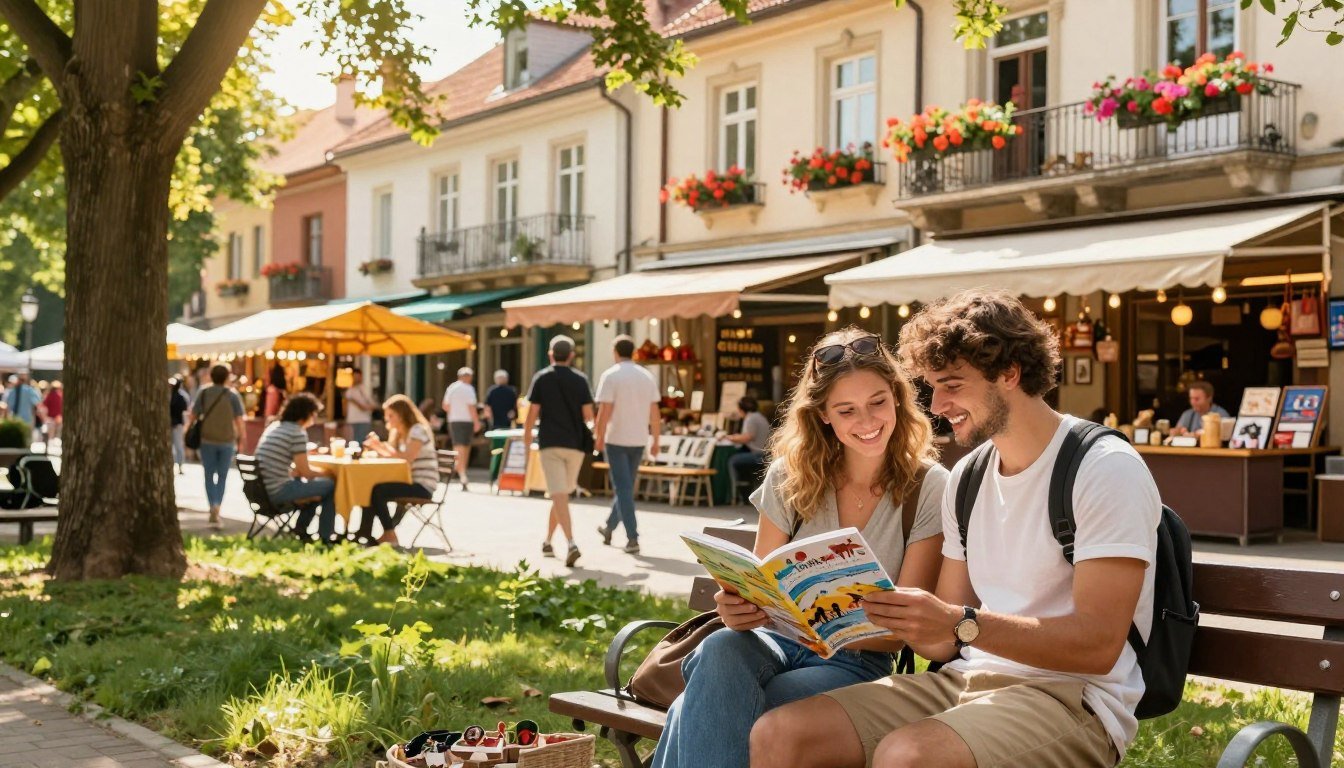
How to Travel Europe on a Budget: Traveling through Europe can be a thrilling experience, but it doesn’t have to drain your wallet. With budget-friendly travel tips, you can enjoy the rich history, culture, and beauty of Europe without overspending.
Whether you’re a student, backpacker, or just a savvy traveler, there are numerous ways to make your European adventure affordable. From finding cheap accommodation options to discovering free attractions, we’ve got you covered.
By planning ahead and being mindful of your expenses, you can have a memorable and affordable trip. In this article, we’ll share our top tips for affordable Europe travel, helping you to make the most of your journey.
Planning Your Budget-Friendly European Adventure
Embarking on a budget-friendly European adventure requires meticulous planning and a clear understanding of your financial constraints. Effective planning enables you to make the most of your trip while keeping expenses in check.
Setting Realistic Budget Goals
Setting a realistic budget is the foundation of a successful budget-friendly trip. This involves understanding your daily expenses, including accommodation, food, and transportation. To do this effectively, it’s crucial to research the costs associated with your destinations.
Daily Budget Expectations by Region
Different regions in Europe have varying costs. For instance, Eastern Europe is generally more affordable than Western Europe. Here’s a breakdown of average daily expenses in different European regions:
| Region | Average Daily Expenses |
|---|---|
| Eastern Europe | $30-$50 |
| Western Europe | $50-$80 |
| Southern Europe | $40-$70 |
Emergency Fund Planning
It’s also essential to plan for emergencies by setting aside a portion of your budget for unexpected expenses. This fund will help you navigate any unforeseen circumstances without derailing your entire trip.
Choosing Budget-Friendly Destinations
Selecting the right destinations can significantly impact your budget. Certain cities and regions are more affordable than others, making them ideal for budget-conscious travelers.
Eastern European Gems
Countries like Poland, Hungary, and Croatia offer a rich cultural experience at a lower cost. Cities like Prague and Budapest are must-visits for their historical significance and affordability.
Affordable Western European Cities
Even in Western Europe, there are affordable options. Cities like Porto in Portugal and Valencia in Spain offer great value for money, with a blend of culture, history, and modern amenities.

Best Times to Visit for Lower Prices
The timing of your visit can also affect your expenses. Visiting during certain periods can help you save money.
Shoulder Season Benefits
Traveling during the shoulder season (the period between peak and off-peak seasons) can offer significant savings. The weather is still pleasant, and popular destinations are less crowded.
Avoiding Peak Tourist Periods
Avoiding peak tourist seasons, such as July and August, can help you save on accommodations and tourist attractions. Planning your trip around these periods can make a big difference in your overall expenses.
How to Travel on a Budget in Europe: The Basics
Traveling Europe on a budget requires some groundwork, starting with understanding the basics of financial management while abroad. Effective financial management is crucial for a stress-free and enjoyable trip.
Understanding Currency Exchange and Banking
Managing your finances effectively begins with understanding how to navigate currency exchange and banking. Using a no-fee ATM card or credit card can save you a significant amount in transaction fees. It’s also wise to avoid currency exchange counters at airports or tourist areas, as they often charge exorbitant rates.
No-Fee ATM Cards and Credit Cards
Opt for banking products that offer no foreign transaction fees. This simple choice can save you up to 3% on every transaction.
Avoiding Currency Exchange Counters
Be cautious of exchange counters, especially at airports or popular tourist spots, as they often come with high fees and unfavorable exchange rates.
Essential Budget Apps and Tools
In today’s digital age, having the right apps and tools can make a significant difference in managing your travel budget. Price comparison apps help you find the best deals on accommodations, flights, and activities. Meanwhile, budget tracking tools allow you to monitor your spending in real-time, ensuring you stay within your budget.
Price Comparison Apps
Use apps like Google Compare or Skyscanner to find the best prices for flights, hotels, and car rentals.
Budget Tracking Tools
Tools like Trail Wallet or Mint help track your expenses, providing a clear picture of your spending.

Creating a Daily Spending Plan
A daily spending plan is crucial for sticking to your budget. It involves prioritizing experiences that are important to you and allocating your budget accordingly. It’s also about balancing splurges with savings, allowing you to enjoy your trip without financial stress.
Prioritizing Experiences
Identify must-have experiences and allocate your budget to these activities first.
Balancing Splurges with Savings
Be mindful of your spending and look for ways to save on less important activities, allowing for occasional splurges.
Finding Cheap Flights to Europe
The key to a budget-friendly European adventure lies in discovering affordable air travel options. With the right strategies, you can significantly reduce your travel expenses.
Best Flight Search Engines and Aggregators
Utilizing the best flight search engines and aggregators is crucial for comparing prices and finding the best deals. Some popular options include:
- Google Flights
- Skyscanner
- Kayak
- Airfarewatchdog
Setting Price Alerts
Setting price alerts can notify you when the price of a specific flight drops, allowing you to book at the optimal time.
Using Incognito Mode for Searches
Using incognito mode for your flight searches can prevent cookies from tracking your browsing history and potentially inflating prices based on your search habits.
Optimal Booking Windows for Savings
Understanding when to book your flights can lead to significant savings. Booking during certain periods can result in cheaper fares.
Seasonal Booking Strategies
Booking during off-peak seasons or during sales periods can lead to lower prices.
Weekday vs. Weekend Departures
Choosing to depart on weekdays instead of weekends can sometimes result in cheaper flights.
Alternative Airports and Routes
Considering alternative airports and routes can provide more options and potentially cheaper flights.
Multi-City and Open-Jaw Tickets
Booking multi-city or open-jaw tickets can offer flexibility and savings, especially if you’re planning to visit multiple destinations.
Budget Airline Hubs
Looking into budget airline hubs can reveal affordable flight options to various European destinations.
Here’s a comparison of popular flight search engines:
| Search Engine | Price Comparison | Additional Features |
|---|---|---|
| Google Flights | Excellent | Price alerts, flexible date search |
| Skyscanner | Excellent | Everywhere search, price alerts |
| Kayak | Good | Price forecast, flexible date search |
Budget-Friendly Transportation Within Europe
Exploring Europe on a budget requires smart transportation choices. Understanding the various options available can significantly reduce your travel expenses, allowing you to allocate more funds to experiencing the rich culture and history Europe has to offer.
Rail Passes vs. Point-to-Point Tickets
Rail travel is a popular way to explore Europe, offering scenic routes and relatively comfortable journeys. When deciding between rail passes and point-to-point tickets, consider your itinerary.
Eurail Pass Cost Analysis
A Eurail Pass can be cost-effective for extensive travel across multiple countries. However, it’s essential to calculate the cost per journey to ensure it aligns with your budget.
Regional Rail Passes
For travelers focusing on specific regions, such as the Balkans or the Alpine countries, regional rail passes can offer significant savings.
Low-Cost Airlines and Bus Options
Low-cost airlines and bus companies have revolutionized budget travel in Europe. They offer affordable fares, but beware of additional fees that can add to the overall cost.
Navigating Budget Airline Fees
Budget airlines often charge extra for checked baggage, food, and seat selection. Understanding these fees can help you avoid unexpected expenses.
Long-Distance Bus Companies
Long-distance bus companies like FlixBus and Eurolines provide an economical alternative for shorter to medium distances.
Car Sharing and Rental Considerations
For group travel or exploring rural areas, car sharing and rental services can be a viable option. However, consider the costs, including fuel, tolls, and parking.
BlaBlaCar and Ridesharing Platforms
Ridesharing platforms like BlaBlaCar offer a cost-effective and social way to travel, connecting drivers with passengers heading in the same direction.
Avoiding Rental Car Surcharges
Be aware of additional surcharges when renting a car, such as insurance fees and fuel charges, to avoid unexpected expenses.
Here’s a comparison of the average costs associated with different transportation methods in Europe:
| Transportation Method | Average Cost | Frequency of Use |
|---|---|---|
| Rail Pass (Eurail) | $200-$500 | Multiple journeys |
| Low-Cost Airline | $20-$100 | Per flight |
| Long-Distance Bus | $10-$50 | Per journey |
| Car Rental (per day) | $40-$100 | Daily |
| Ridesharing (BlaBlaCar) | $10-$30 | Per journey |
Affordable Accommodation Options
Budget-conscious travelers can explore various affordable accommodation options in Europe, from hostels to vacation rentals. Finding the right place to stay is crucial for a cost-effective trip.
Hostels and Budget Hotels
Hostels are a popular choice for budget travelers, offering dorm rooms and private rooms at affordable prices. Dorm rooms are the most economical option, ideal for solo travelers or those looking to meet fellow travelers.
Dorm Rooms vs. Private Rooms
Dorm rooms provide a cost-effective solution, while private rooms offer more privacy. Consider your priorities when choosing between these options.
Hostel Amenities Worth Paying For
Some hostels offer additional amenities like free breakfast, laundry facilities, or secure lockers. Paying extra for these can enhance your stay.
Vacation Rentals and Apartment Stays
Vacation rentals and apartment stays can offer more space and amenities than traditional hotels, often at a lower cost, especially with weekly discounts.
Weekly Discount Strategies
Booking for a week or more can lead to significant savings. Look for rentals that offer discounts for longer stays.
Kitchen Access Benefits
Having access to a kitchen allows you to prepare your own meals, saving money on dining out and enjoying local ingredients.
Alternative Lodging: Couchsurfing, House Sitting, and Monasteries
For the more adventurous, options like Couchsurfing, house sitting, and staying in monasteries offer unique experiences and significant savings.
Building a Trustworthy Profile
When using platforms like Couchsurfing, building a trustworthy profile with positive reviews is key to securing free accommodation.
Religious Accommodation Options
Some monasteries and convents offer simple, affordable lodging. This can be a peaceful and culturally enriching experience.
| Accommodation Type | Average Cost | Benefits |
|---|---|---|
| Hostel Dorm | $15-$30 | Social atmosphere, cost-effective |
| Vacation Rental | $400-$800/week | Space, kitchen access, homey atmosphere |
| Couchsurfing | Free | Cultural immersion, meet locals |
Eating Well Without Breaking the Bank
Savoring the flavors of Europe on a budget is easier than you think. With some planning and insider tips, you can enjoy delicious meals without overspending.
Self-Catering and Grocery Shopping Tips
One of the most effective ways to save on food expenses is by self-catering. Navigating European supermarkets can be a fun experience, offering a wide range of local products.
Navigating European Supermarkets
European supermarkets often have a variety of affordable and local products. Look for stores like Aldi or Lidl for budget-friendly options.
Picnic Strategies
Enjoying a picnic in one of Europe’s beautiful parks is a great way to experience local culture. Find a local market or supermarket to pick up some fresh produce and cheese.
Finding Affordable Local Restaurants
When eating out, look for lunch specials or prix fixe menus that offer great value. Avoiding tourist trap eateries can also help you save money and enjoy more authentic meals.
Lunch Specials and Prix Fixe Menus
Many restaurants offer lunch specials or prix fixe menus that are significantly cheaper than dinner options. Take advantage of these deals to enjoy high-quality meals at a lower cost.
Avoiding Tourist Trap Eateries
Steer clear of restaurants with menus in multiple languages and overly touristy decor. Instead, opt for eateries where locals dine.
Street Food and Market Dining
Street food and market dining offer another affordable and delicious way to experience local cuisine. From regional street food specialties to bustling food markets, there’s a wealth of options.
Regional Street Food Specialties
Try local specialties like Belgian waffles, Spanish tapas, or Italian pizza from street vendors or markets.
Food Markets and Halls
Visit local food markets or historic food halls to sample a variety of dishes in one place.
Free and Low-Cost Sightseeing Opportunities
Discovering Europe’s rich history and vibrant culture doesn’t have to be expensive, thanks to numerous free and low-cost sightseeing opportunities. Many of Europe’s top attractions offer affordable options for visitors, making it possible to experience the best of Europe on a budget.
Free Museum Days and City Passes
Many museums across Europe offer free admission on certain days of the week or month. For example, the Louvre in Paris is free on the first Saturday of every month from 6 pm to 9:45 pm. City passes can also provide significant savings by offering bundled access to multiple attractions.
Museum Night Events
Some museums host special night events, often with extended hours and free or discounted admission. These events can be a great way to experience the museum in a different atmosphere.
City Pass Value Analysis
When considering a city pass, calculate the cost savings by comparing the pass price to the individual admission fees of the attractions you plan to visit. This will help you determine if the pass is a good value for your money.
Self-Guided Walking Tours
Exploring Europe’s cities on foot is a great way to discover hidden gems and experience local culture. Self-guided walking tours can be just as rewarding as guided tours, and they offer the flexibility to create your own itinerary.
Free Walking Tour Etiquette
When joining a free walking tour, be sure to tip your guide as a sign of appreciation for their service. These guides often rely on tips to make a living.
Audio Guide Apps
Using audio guide apps can enhance your self-guided tour experience by providing informative commentary and insights about the attractions you’re visiting.
Parks, Viewpoints, and Public Spaces
Europe’s cities are filled with beautiful parks, scenic viewpoints, and historic public spaces that are free to visit. These areas offer a great way to enjoy the local scenery and atmosphere without spending a fortune.
Historic Squares and Districts
Many European cities have historic squares and districts that are perfect for a leisurely stroll. These areas often feature charming architecture, street performers, and local cafes.
Scenic Hikes Near Cities
For those looking to escape the urban bustle, many European cities have nearby hiking trails that offer scenic views and a chance to connect with nature.
Money-Saving Travel Hacks for Europe
To enjoy Europe without breaking the bank, it’s essential to be aware of money-saving strategies. By utilizing the right hacks, you can significantly reduce your expenses and have a more affordable trip.
Student and Age Discounts
Many European attractions and transportation services offer discounts for students, seniors, and youths. These discounts can lead to substantial savings.
International Student ID Cards
An International Student ID Card (ISIC) is a must-have for students. It provides access to numerous discounts on travel, accommodation, and attractions.
Senior and Youth Discounts
Some attractions and transportation services offer discounts for seniors and youths. Always inquire about available discounts when purchasing tickets.
Local SIM Cards and Wi-Fi Solutions
Staying connected without incurring high costs is crucial for budget travelers. Understanding your options for local SIM cards and Wi-Fi can help.
European SIM Card Options
Consider purchasing a local SIM card or a portable Wi-Fi hotspot for data access. This can be more cost-effective than relying on international roaming.
Finding Reliable Free Wi-Fi
Many cafes, libraries, and public spaces offer free Wi-Fi. Use these resources to stay connected without additional costs.
Avoiding Common Tourist Fees and Scams
Being aware of common tourist fees and scams can protect your wallet. Stay informed to avoid unnecessary expenses.
Restaurant Cover Charges
Some restaurants may charge a cover fee for bread or other items. Be aware of these charges before ordering.
ATM and Credit Card Scams
Use ATMs located in secure areas and be cautious of credit card scams. Monitor your accounts regularly to detect any suspicious activity.
| Money-Saving Hack | Description | Potential Savings |
|---|---|---|
| Student Discounts | Use ISIC for discounts on travel and attractions | Up to 50% off |
| Local SIM Cards | Purchase a local SIM for data access | Up to 70% off international roaming charges |
| Avoiding Restaurant Cover Charges | Be aware of cover fees at restaurants | Up to $10 per person |
Creating Memorable Experiences on a Shoestring
Creating lasting memories in Europe is within reach, even for the budget-conscious traveler. With a little planning and insider knowledge, you can enjoy a rich and fulfilling European adventure without breaking the bank.
Free Cultural Events and Festivals
Europe is renowned for its vibrant cultural scene, with numerous free events and festivals throughout the year. These events offer a unique glimpse into local traditions and customs.
Seasonal Celebrations
Seasonal celebrations like Christmas markets in Germany and Austria, or the Tomatina festival in Spain, are experiences not to be missed. Research the local calendar to catch these events during your visit.
Community Events
Many European towns host community events that are free and open to visitors. These can range from outdoor concerts to local food festivals, offering a taste of authentic community life.
Connecting with Locals
Connecting with locals can significantly enhance your travel experience. It’s an opportunity to gain insights into the culture and way of life beyond the typical tourist trails.
Language Exchange Meetups
Participating in language exchange meetups is a great way to meet locals while improving your language skills. It’s a mutually beneficial experience that can lead to meaningful connections.
Community-Based Tourism
Community-based tourism initiatives allow you to engage with local communities directly. This can include homestays, local tours, and workshops, providing a more authentic experience.
Off-the-Beaten-Path Destinations
Venturing into off-the-beaten-path destinations can be incredibly rewarding. These areas often offer a more genuine experience of European life.
Rural Villages and Small Towns
Visiting rural villages and small towns can provide a peaceful and authentic experience. These areas are often rich in history and natural beauty.
Emerging Destinations
Exploring emerging destinations in Europe can be a thrilling experience. These places are often less crowded and offer a fresh perspective on European culture.
By embracing these strategies, travelers can enjoy a rich and varied European experience on a budget. It’s about being open to new experiences and willing to explore beyond the conventional tourist routes.
Conclusion: Enjoying Europe Without Financial Stress
Traveling Europe on a budget is achievable with careful planning and a bit of creativity. By setting realistic budget goals and choosing affordable destinations, you can enjoy a fulfilling European adventure without breaking the bank.
From budget-friendly transportation options like rail passes and low-cost airlines to affordable accommodation choices such as hostels and vacation rentals, there are numerous ways to save money. Additionally, taking advantage of free and low-cost sightseeing opportunities, such as self-guided walking tours and visiting local parks, can enhance your travel experience.
Effective budget travel planning in Europe involves being mindful of your expenses and making the most of economical ways to explore the continent. By applying the tips and strategies outlined in this guide, you can create a memorable and enjoyable trip to Europe. Start planning your budget-friendly European adventure today and discover how to travel on a budget in Europe.