
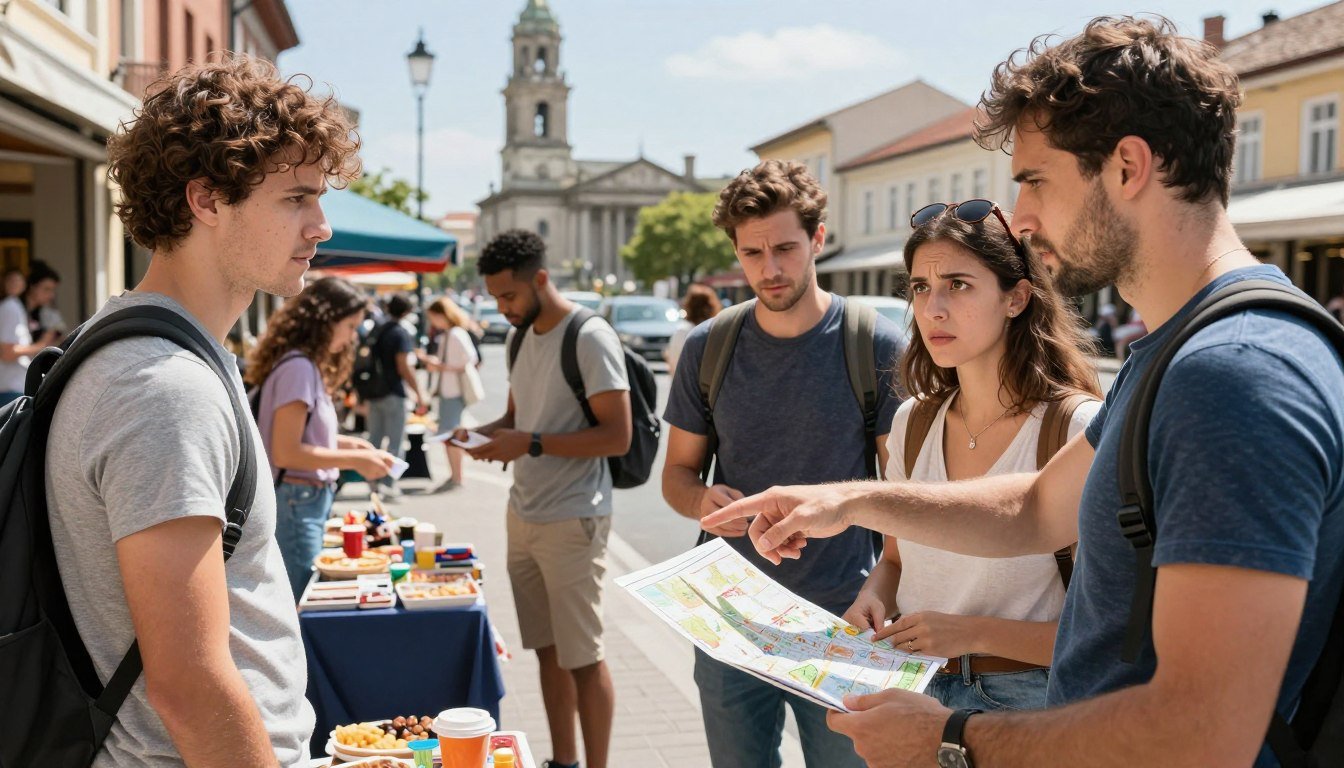
Travel Smarter: Tips to Dodge Common Tourist Scams: Exploring new destinations can be an exhilarating experience, but it’s essential to be aware of potential pitfalls that can ruin your trip. Staying informed is key to avoiding common tourist scams that can leave you financially drained and emotionally distressed.
As a traveler, it’s crucial to be vigilant and prepared when visiting unfamiliar places. By understanding the tactics used by scammers, you can minimize your risk of falling prey to their schemes. This article will provide you with valuable insights and practical advice on how to protect yourself from common tourist scams.
Being aware of your surroundings and knowing how to react in suspicious situations can make a significant difference in ensuring a safe and enjoyable journey.
The Hidden Dangers of Tourist Destinations
The allure of tourist destinations can sometimes overshadow the risks associated with traveling, making it essential for travelers to be vigilant. Tourist areas, while exciting to visit, often attract unsavory characters looking to take advantage of unsuspecting travelers.
Why Tourists Are Prime Targets
Tourists are often targeted because they are perceived as being wealthy and are usually unfamiliar with their surroundings. Scammers prey on the naivety and trust of travelers, making it crucial for visitors to be aware of their environment and keep their wits about them.
The Psychology Behind Tourist Scams
Understanding the psychology behind tourist scams can help travelers avoid becoming victims. Scammers often use tactics that exploit the tourist’s lack of knowledge about local customs and laws.
How Scammers Identify Vulnerable Travelers
Scammers typically look for tourists who appear lost, distracted, or overly confident. They use various techniques to identify vulnerable travelers, including approaching them with seemingly friendly offers or creating distractions.

By being aware of these tactics and staying alert, travelers can significantly reduce their risk of falling prey to scams, ensuring a safer and more enjoyable trip.
Travel Tips to Avoid Common Tourist Scams: An Overview
Whether you’re a seasoned traveler or embarking on your first international trip, knowing how to avoid common tourist scams can save you from financial loss and emotional distress. Being aware of these scams is a crucial part of secure travel guidance, allowing you to enjoy your travels without unnecessary worry.
The Most Prevalent Scams Worldwide
Tourists are often targeted with a variety of scams, ranging from pickpocketing and distraction techniques to more complex schemes like fake petitions and charity collectors. Understanding these common scams is the first step in avoiding travel scams. For instance, in popular tourist destinations, scammers often use distraction techniques to steal valuables.

Financial Impact of Travel Scams
The financial impact of travel scams can be significant, with some scams resulting in losses of thousands of dollars. According to various reports, millions of dollars are lost annually to tourist scams worldwide.
Real Statistics and Traveler Experiences
Statistics reveal that a substantial number of travelers fall victim to scams each year. For example, a survey found that nearly 1 in 5 travelers experienced some form of scam or fraud during their trip. Travelers have shared stories of being scammed, highlighting the importance of vigilance and awareness.
By understanding the most prevalent scams and their financial impact, travelers can better prepare themselves for a secure journey. Staying informed is a key component of avoiding travel scams and ensuring a enjoyable travel experience.
Pre-Trip Preparation: Your First Line of Defense
The first line of defense against tourist scams is thorough pre-trip preparation. By taking proactive steps before your trip, you can significantly reduce the risk of falling victim to common scams.
Researching Destination-Specific Scams
One of the most effective ways to avoid tourist scams is to research your destination thoroughly. Understand the local culture, common scams, and areas to avoid. Here are some key research tips:
- Check government travel advisories for your destination.
- Read travel blogs and forums to understand local scam trends.
- Familiarize yourself with local customs to avoid unintentionally offending locals.
Essential Safety Apps and Resources
In today’s digital age, there are numerous apps and resources available to help travelers stay safe. Some essential safety apps include:
- Google Translate: For language barriers.
- Maps.me: For offline maps.
- TripIt: For organizing travel plans.
Additionally, consider downloading local emergency apps and registering with your government’s travel advisory program.
Creating Digital and Physical Backups of Important Documents
It’s crucial to make both digital and physical backups of your important documents, such as your passport, driver’s license, and travel insurance. Here are some backup tips:
- Scan your documents and save them securely online.
- Make photocopies of your documents and leave a copy with a trusted friend or family member.
- Carry a physical copy of your important documents separately from the originals.
By following these pre-trip preparation tips, you can enjoy a safer and more enjoyable travel experience. Remember, being informed and prepared is your best defense against tourist scams.
Transportation Troubles: Taxi and Rideshare Scams
When traveling, one of the most vulnerable moments for tourists is using taxi or rideshare services, which can sometimes be a breeding ground for scams. Tourists often find themselves in unfamiliar territories, relying heavily on these services to navigate their surroundings.
The “Broken Meter” Trick
One common scam involves taxi drivers claiming their meter is broken and then overcharging tourists for the ride. To avoid this, always insist on using the meter or agree on a fixed price before you start your journey. If the driver resists, it’s best to find another taxi.
Long Route Detours
Another tactic scammers use is taking longer routes to your destination, increasing the fare. To safeguard against this, use a GPS or a mapping app to monitor the route. This not only helps you stay oriented but also ensures you’re being taken the most direct way.
Airport Transfer Overcharging
Airport transfers are particularly vulnerable to overcharging scams. Taxi drivers may take advantage of travelers who are tired or distracted after a long flight. Research the standard fare to your destination beforehand and be prepared to negotiate or look for a more transparent service.
Using Legitimate Transportation Services
To minimize the risk of being scammed, consider using reputable rideshare services or licensed taxis. Here are some tips:
- Book in advance when possible, using reputable companies.
- Check the driver’s ID before getting into the vehicle.
- Share your trip details with friends or family, including the license plate number.
By being aware of these common scams and taking proactive steps, travelers can significantly reduce their risk of being taken advantage of while using taxi and rideshare services.
Street Smart: Avoiding Common Sidewalk Scams
As you navigate bustling city streets, it’s essential to stay alert to common sidewalk scams that target unsuspecting tourists. These scams can range from simple distractions to complex cons, all designed to part you from your money.
Distraction Techniques and Pickpocketing
One of the most prevalent sidewalk scams involves distraction techniques used by pickpockets. These scammers often work in teams, creating a diversion to steal valuables from unsuspecting tourists. To avoid falling victim, keep your belongings secure and be mindful of your surroundings.
Stay vigilant by keeping bags closed and in front of you, and avoid displaying signs of wealth like expensive jewelry or watches.
The “Found Ring” or “Found Money” Ploy
Another scam involves a scammer approaching you with a “found” item, such as a ring or a significant amount of money, and asking for a reward. The goal is to distract you while an accomplice steals from you or to scam you out of money. Be cautious of overly friendly strangers and never hand over money for a “found” item without verifying its legitimacy.
Fake Petitions and Charity Collectors
Scammers often pose as charity collectors or petition gatherers to solicit money from tourists. Before donating, verify the legitimacy of the charity or cause. Check for official documentation and research the organization online to ensure it’s genuine.
Body Language and Awareness Techniques
Being aware of your body language can also help you avoid scams. Maintain confidence and avoid appearing lost or distracted, as this can attract scammers. Use awareness techniques like keeping your phone close and being cautious of strangers approaching you with unsolicited offers or requests.
By staying informed and aware, you can significantly reduce your risk of falling victim to common sidewalk scams, ensuring a safer and more enjoyable travel experience.
Digital Defense: Protecting Your Tech and Data Abroad
As you travel abroad, protecting your digital identity becomes just as crucial as safeguarding your physical belongings. The interconnected nature of modern travel means that your digital security is constantly at risk from various threats.
Public Wi-Fi Dangers
Public Wi-Fi networks are a convenient resource for travelers, but they also pose significant security risks. Hackers can easily intercept data transmitted over unsecured networks, gaining access to sensitive information like passwords and credit card numbers.
To mitigate these risks, avoid using public Wi-Fi for sensitive transactions or consider using a Virtual Private Network (VPN) to encrypt your internet traffic.
ATM Skimming and Card Fraud
ATM skimming is a prevalent form of fraud where thieves attach devices to ATMs to capture card information. To protect yourself, inspect ATMs carefully before use and cover the keypad when entering your PIN.
Digital Payment Security Tips
When making digital payments abroad, ensure you’re using secure platforms. Look for HTTPS in the URL and be cautious of entering financial information on unfamiliar websites.
VPN and Encryption Essentials
A VPN encrypts your internet connection, protecting your data from prying eyes. This is particularly important when using public Wi-Fi networks. Choose a reputable VPN service and keep it activated whenever you’re online.
| Security Measure | Description | Benefit |
|---|---|---|
| VPN | Encrypts internet traffic | Protects data on public Wi-Fi |
| Two-Factor Authentication | Adds an extra layer of security to accounts | Reduces risk of unauthorized access |
| Regular Software Updates | Keeps devices and apps up-to-date with latest security patches | Fixes vulnerabilities and prevents exploitation |
By adopting these digital defense strategies, travelers can significantly reduce their exposure to cyber threats and enjoy a safer, more secure journey abroad.
Accommodation Alert: Hotel and Rental Scams
Scams related to hotel and rental bookings are becoming increasingly sophisticated, targeting unaware tourists. When traveling, it’s crucial to be vigilant about where you stay to avoid falling victim to these scams.
Fake Booking Websites
One common scam involves fake booking websites that mimic legitimate hotel or rental booking platforms. To avoid this, always verify the URL and look for reviews or ratings from other travelers. Be cautious of sites that ask for credit card information without securing your booking.
The “Hotel Is Overbooked” Switch
Another scam occurs when a hotel claims to be overbooked and offers alternative accommodations at a higher rate. Always ask for the hotel’s policy in writing and be wary of last-minute changes.
Vacation Rental Nightmares
Vacation rentals can be a breeding ground for scams, especially on less regulated platforms. Ensure you’re dealing with a legitimate property by researching the owner or property manager’s reputation and reading reviews from multiple sources.
Verifying Legitimacy Before Paying
Before making any payments, verify the legitimacy of the booking or rental. Check for official contact information, physical addresses, and clear cancellation policies. Using secure payment methods that offer some level of buyer protection is also advisable.
By being informed and cautious, travelers can significantly reduce their risk of falling prey to accommodation scams, ensuring a more secure and enjoyable trip.
Regional Scam Spotting: Location-Specific Cons
Different regions have their own set of scams designed to deceive unsuspecting tourists. Being aware of these location-specific cons can significantly enhance your travel safety and financial security.
European Classics: Rose Gifts and Bracelet Scams
In Europe, tourists often encounter the “rose gift” scam, where individuals are given a flower and then demanded to pay for it. Another common scam involves being approached by someone attempting to put a bracelet on your wrist, after which they demand payment.
Tip: Be cautious of overly friendly strangers who approach you with gifts or offers that seem too good to be true.
Southeast Asian Specialties: Gem Scams and Tuk-Tuk Tricks
Southeast Asia is known for gem scams, where tourists are convinced to buy gems at inflated prices. Tuk-tuk drivers may also take you on long detours or to overpriced shops as part of a commission-based scam.
- Research gem dealers and their products before making a purchase.
- Agree on tuk-tuk fares before you start your journey.
North American Tourist Traps: Timeshare Presentations and Street Performers
In North America, timeshare presentations are a common scam, offering lucrative deals that often come with hidden costs. Street performers may also solicit tips aggressively.
Advice: Be wary of deals that require immediate decisions, and don’t feel pressured to tip excessively.
Adapting Your Vigilance by Destination
Understanding the local culture and common scams can help you adapt your vigilance. Research your destination thoroughly and stay informed about local conditions.
By being aware of these regional scams and taking preventive measures, you can enjoy a safer and more enjoyable trip.
Shopping Savvy: Market and Souvenir Scam Prevention
Shopping for souvenirs should be a delightful experience, not a stressful one; learn how to protect yourself from common scams. When exploring local markets and shops, being aware of potential scams can save you from financial loss and disappointment.
Counterfeit Goods and Authenticity Issues
One of the most prevalent scams involves selling counterfeit goods. To avoid falling prey, inspect the product carefully and research the market value beforehand. Be wary of extremely low prices, as they often indicate fake products.
The Bait and Switch Technique
Another common scam is the bait and switch technique, where you’re shown one product but given another, often of inferior quality. To safeguard against this, ensure you’re handed the exact item you agreed to purchase.
Currency Conversion Cons
When making purchases, be mindful of currency conversion scams. Some vendors may use unfavorable exchange rates or add hidden fees. Use a credit card or reputable currency exchange services to minimize risks.
Negotiation Strategies That Protect You
Effective negotiation can help you avoid scams. Here are some strategies:
- Research prices beforehand to make informed decisions.
- Be cautious of overly aggressive vendors.
- Don’t be afraid to walk away if you feel uncomfortable.
By being informed and cautious, you can enjoy shopping for souvenirs without falling victim to common scams. Stay vigilant and prioritize your security to make the most of your travel experience.
Emergency Response: What to Do If You’re Scammed
Falling victim to a scam while traveling can be a distressing experience, but knowing how to respond can make all the difference. Staying calm and taking immediate action are crucial in minimizing potential losses.
Immediate Steps to Take
If you find yourself a victim of a scam, the first step is to report the incident to the local authorities. This helps in creating a record of the incident, which can be useful for insurance claims. Cancel your credit cards and notify your bank to prevent further unauthorized transactions.
It’s also wise to keep a record of all communications and transactions related to the scam.
Reporting Procedures by Country
Reporting procedures vary by country. In many places, you can file a report at the local police station. Some countries have dedicated tourist police units that handle such cases. Keep a copy of the report, as it may be required for insurance purposes.
Insurance Claims and Financial Recovery
If you have travel insurance, contact your provider to initiate a claim. Provide all necessary documentation, including the police report and receipts for any losses. Understanding your insurance policy’s coverage can help in recovering some of your losses.
Using Embassy and Consulate Resources
In cases of significant fraud or if you’re stranded, your country’s embassy or consulate can be a valuable resource. They can provide assistance with contacting local authorities, replacing important documents, and even offer guidance on local laws.
Conclusion: Travel Confidently with Knowledge as Your Shield
As we’ve explored throughout this article, being aware of common tourist scams is crucial to a safe and enjoyable travel experience. By understanding the tactics used by scammers and taking proactive steps, you can significantly reduce your risk of falling victim to these schemes.
Armed with travel safety advice and scam-proof travel tips, you’re now better equipped to navigate unfamiliar destinations with confidence. From researching destination-specific scams to using essential safety apps and resources, every precaution counts.
As you embark on your next adventure, remember that knowledge is your greatest ally. Stay vigilant, trust your instincts, and don’t hesitate to seek help when needed. With the right mindset and preparation, you can focus on creating unforgettable memories rather than worrying about potential scams.
Safe travels, and may your journeys be filled with wonder and excitement!