
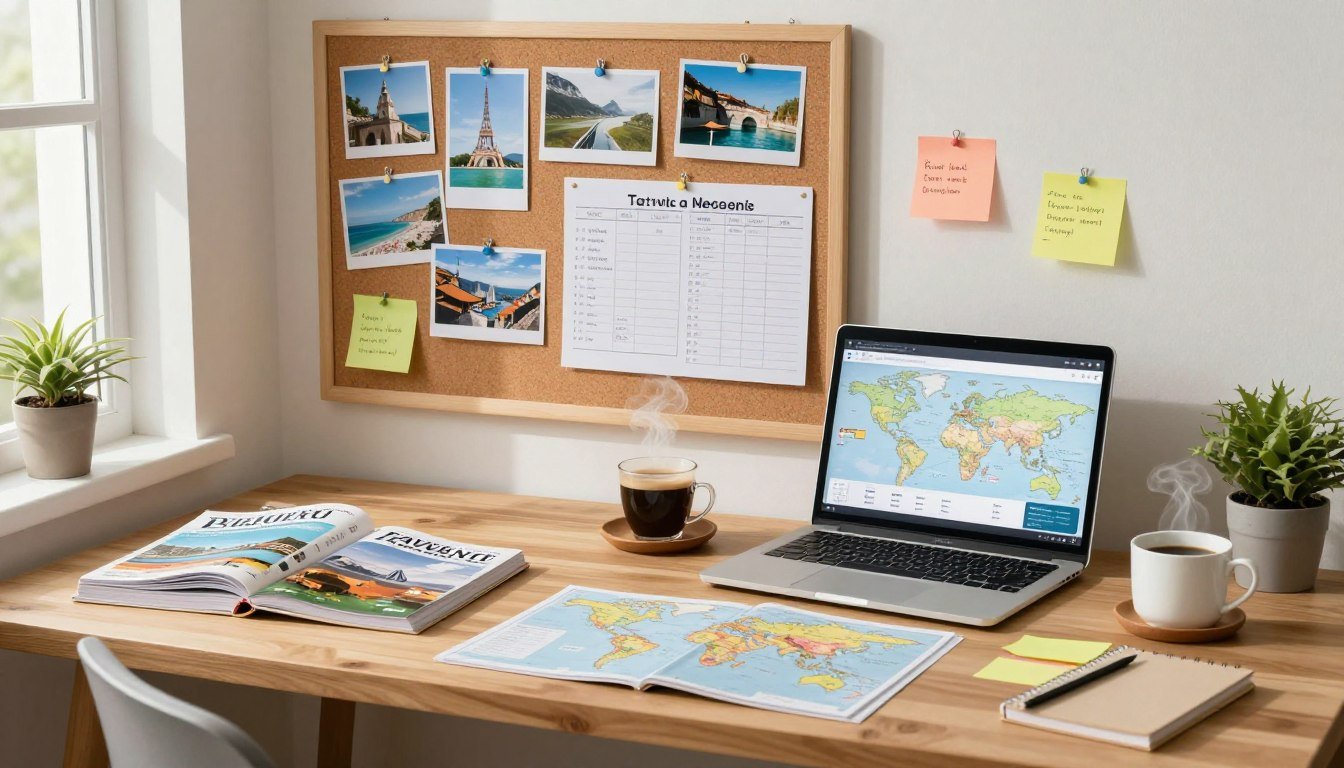
Planning a trip can be a daunting task, especially for those who are new to traveling. With so many details to consider, it’s easy to feel overwhelmed. However, with a clear guide, you can navigate the process with ease.
Effective trip planning involves several key steps, from determining your destination to booking your accommodations. By breaking down the process into manageable tasks, you can create a personalized itinerary that suits your needs and budget.
Whether you’re looking to relax on a beach vacation or explore a new city, this guide will walk you through the essential steps to plan a successful trip.
Key Takeaways
- Understand the key components of trip planning
- Learn how to determine your destination and travel dates
- Discover the importance of budgeting and booking accommodations
- Find out how to create a personalized itinerary
- Get tips on preparing for your trip
Getting Started: Deciding Where to Go
Embarking on a trip planning journey begins with a crucial decision: where to go. This initial step sets the stage for your entire travel experience. To make an informed decision, consider your travel goals, research potential destinations, and understand any travel restrictions.
Identifying Your Travel Goals and Interests
Understanding what you want to achieve or experience during your trip is vital. Are you looking for relaxation, adventure, cultural immersion, or a mix? Reflecting on your interests will help narrow down destinations that fit your preferences.
For instance, if you’re seeking relaxation, beach destinations like Hawaii or the Caribbean might be ideal.
Researching Potential Destinations
With your goals in mind, start researching places that align with your interests. Utilize travel guides, blogs, and social media to gather information.

Consider factors like the time of year you plan to travel, local events, and the overall atmosphere of the destination.
Considering Travel Restrictions and Requirements
Before finalizing a destination, it’s crucial to understand any travel restrictions or requirements. This includes visa requirements, vaccination recommendations, and local health guidelines.
Staying informed about these aspects will ensure a smooth start to your trip.
By following these steps, you’ll be well on your way to choosing a destination that fits your travel aspirations.
Setting Your Budget: How Much Will Your Trip Cost
A well-planned budget is the backbone of a successful trip, allowing you to enjoy your journey without worrying about expenses. To achieve this, you need to consider several key factors that contribute to the overall cost of your trip.
Estimating Major Expenses
When planning your trip, it’s essential to estimate your major expenses, which typically include transportation, accommodation, food, and activities. To get started, research your destination to understand the average costs associated with these expenses.
For instance, you can use online travel agencies to estimate the cost of flights and accommodations. Additionally, you can look up the average cost of meals and activities at your destination to get a more accurate estimate.
| Expense | Average Cost | Your Estimate |
|---|---|---|
| Transportation | $500 | $450 |
| Accommodation | $800 | $700 |
| Food | $300 | $250 |
| Activities | $200 | $150 |
| Total | $1800 | $1550 |
Creating a Realistic Travel Budget
Once you have estimated your major expenses, you can create a realistic travel budget. Start by categorizing your expenses into needs and wants, and then allocate your funds accordingly.
Be sure to also include a contingency fund to cover any unexpected expenses that may arise during your trip.
Tips for Saving Money Before Your Trip
To save money before your trip, consider the following tips: book your flights and accommodations well in advance to secure the best rates, pack smart to avoid unnecessary baggage fees, and research free or low-cost activities at your destination.

By following these tips and creating a realistic budget, you can enjoy a stress-free trip that meets your financial expectations.
Choosing the Best Time to Travel
To maximize your travel experience, it’s essential to select the right time for your visit. The timing of your trip can significantly influence the activities you can enjoy, the costs, and even the overall ambiance of your destination.
Understanding Peak vs. Off-Season Travel
Peak season often means larger crowds and higher prices, but it can also offer a more vibrant atmosphere and a wider range of activities. In contrast, off-season travel can provide a more relaxed experience and lower costs, but some attractions might be closed or operate on reduced hours.
Peak Season: Expect higher prices and more tourists.
Off-Season: Enjoy lower prices and fewer crowds, but check if attractions are open.
| Season | Characteristics | Best For |
|---|---|---|
| Peak | Higher prices, more tourists | Those who enjoy vibrant atmospheres |
| Off-Season | Lower prices, fewer tourists | Travelers on a budget or seeking solitude |
Weather Considerations for Your Destination
Weather plays a crucial role in determining the best time to visit a place. Researching the typical weather patterns of your destination can help you avoid unfavorable conditions.
Aligning with Local Events and Festivals
Participating in local events and festivals can enrich your travel experience. However, these events can also attract more tourists and increase prices.
By considering these factors, you can make an informed decision about the best time for your trip, ensuring a memorable and enjoyable travel experience as part of your travel itinerary planning.
How to Plan a Trip Step by Step: The Research Phase
The research phase is a crucial step in trip planning, allowing you to gather essential information about your destination. Effective vacation planning tips include understanding the local culture, being aware of your financial options, and knowing how to stay safe and healthy.
Researching Local Customs and Culture
Understanding local customs and culture is vital to a respectful and enjoyable trip. Researching your destination’s traditions, dress codes, and social norms can help you avoid unintended offense and enhance your interactions with locals. For example, in some cultures, it’s customary to remove your shoes before entering a home or temple.
Understanding Currency and Payment Options
Familiarizing yourself with the local currency and payment options can save you money and hassle. Check if your destination accepts credit cards, and inform your bank of your travel plans to avoid any transaction issues. You should also research the best ways to exchange currency or access cash.
Health and Safety Considerations
Ensuring your health and safety is paramount. Research any necessary vaccinations, medications, or precautions for your destination. Stay informed about local health concerns, and register with your government’s travel advisory program to receive important safety updates.
Learning Basic Phrases in the Local Language
Learning a few basic phrases in the local language can greatly enhance your travel experience. It shows respect for the culture and can help you navigate everyday situations. Start with essential phrases like “hello,” “thank you,” and “where is…?” to get you started.
By conducting thorough research in these areas, you’ll be well-prepared for a successful and enjoyable trip. Remember, the key to a stress-free journey is being informed and adaptable.
Booking Transportation: Getting There and Around
Figuring out your transportation options is vital for a smooth and enjoyable travel experience. Whether you’re flying, taking a train, or driving, understanding your choices can help you save money and reduce stress.
Finding the Best Flight Deals
To secure the best flight deals, it’s essential to be flexible with your travel dates and consider flying during off-peak times. Using flight comparison websites like Google Flights or Skyscanner can help you identify the most affordable options. Additionally, signing up for fare alerts and booking in advance can lead to significant savings.
Some airlines also offer loyalty programs or credit cards that provide rewards, such as free flights or upgrades. It’s worth exploring these options if you travel frequently.
Alternative Transportation Options
Depending on your destination, alternative transportation methods like trains, buses, or car-sharing services might be more cost-effective or convenient. For instance, in Europe, the rail network is extensive, and trains often provide a comfortable way to see the countryside. Researching these alternatives can enhance your travel experience.
Planning Local Transportation at Your Destination
Once you arrive at your destination, having a plan for local transportation can make a big difference. Many cities offer public transportation options like buses, subways, or bike-sharing programs. You can also consider renting a car if you prefer more flexibility. Researching local transportation options in advance can help you navigate your destination more efficiently.
Using travel apps or visiting local tourism websites can provide valuable insights into the best ways to get around. Some cities even offer tourist passes that grant access to multiple forms of transportation, which can be both convenient and cost-effective.
Securing Accommodations That Fit Your Style and Budget
Your accommodation can make or break your travel experience. It’s essential to find a place that not only fits your budget but also suits your travel style. Whether you’re looking for luxury, adventure, or simplicity, there’s an accommodation type that’s right for you.
Types of Accommodations to Consider
From hotels and hostels to vacation rentals and camping sites, the options are vast. Hotels offer convenience and a range of amenities, while vacation rentals provide a home away from home, often with kitchen facilities and more space. When planning your trip, consider using a trip planner tool to compare different accommodation types and find the best fit for your needs.
Using Booking Platforms Effectively
Booking platforms like Booking.com, Airbnb, and Expedia offer a wide range of choices. To use them effectively, set clear filters based on your budget, location preferences, and amenities needed. Be sure to read the fine print regarding cancellation policies and additional fees.
Reading Reviews and Making Informed Choices
Reviews from other travelers can provide valuable insights into the quality and reliability of an accommodation. Look for patterns in the reviews, such as consistent praise or complaints. This will help you make an informed decision and avoid potential pitfalls.
By considering your options carefully and using the right tools, you can find the perfect accommodation for your trip, enhancing your overall travel experience.
Creating Your Itinerary: Balancing Activities and Relaxation
When planning your trip, it’s crucial to strike a balance between activities and relaxation to ensure a fulfilling experience. A well-planned itinerary helps you make the most of your time while avoiding exhaustion. To achieve this balance, you need to research your destination, prioritize activities, and leave some room for spontaneity.
Researching Must-See Attractions
The first step in creating your itinerary is to research the must-see attractions at your destination. Look for landmarks, cultural events, and natural wonders that align with your interests. Utilize travel guides, blogs, and social media to gather information and create a list of top attractions you don’t want to miss.
Scheduling Your Days Realistically
Once you have a list of attractions, it’s time to schedule your days. Be realistic about how much you can accomplish in a day, taking into account travel time between locations and potential delays. Consider allocating mornings to popular attractions and afternoons to more relaxed activities or personal exploration.
| Time | Activity | Location |
|---|---|---|
| 9:00 AM | Visit Museum | City Center |
| 1:00 PM | Lunch Break | Local Café |
| 3:00 PM | Explore Park | City Park |
Leaving Room for Spontaneity
While having a structured itinerary is helpful, it’s also important to leave some room for spontaneity. Overplanning can make your trip feel rigid and stressful. Allow yourself time to wander, discover hidden gems, or simply enjoy a leisurely day without any scheduled activities.
By balancing planned activities with relaxation and spontaneity, you can create a travel itinerary that is both fulfilling and enjoyable.
Pre-Departure Checklist: What to Do Before You Leave
With your travel plans in place, it’s time to focus on the pre-departure preparations that will make your trip smoother. A thorough checklist will help ensure you’re well-prepared for your journey.
Essential Documents and Copies
Before leaving, it’s crucial to check the validity of your passport and ensure you have any required visas for your destination. Make digital copies of important documents like your passport, driver’s license, and travel insurance documents. Leave a copy with a trusted friend or family member in case of an emergency.
- Check the expiration date of your passport.
- Research visa requirements for your destination.
- Make photocopies of your travel insurance and health insurance cards.
Travel Insurance and Health Preparations
Travel insurance can provide peace of mind and financial protection against unexpected trip cancellations, medical emergencies, or lost luggage. Review your health insurance to see if it covers you abroad. If not, consider a travel insurance policy that includes health coverage.
Some countries require specific vaccinations before entry. Consult your doctor or a travel clinic to determine the necessary vaccinations and medications for your destination.
Packing Strategies for Beginners
Packing efficiently is key to a stress-free trip. Start by checking the weather forecast for your destination to determine the appropriate clothing. Use packing cubes to organize your belongings and make the most of your luggage space.
- Choose versatile clothing that can be mixed and matched.
- Pack essentials like undergarments and socks in your carry-on.
- Consider packing a portable charger for extra power on the go.
Home Preparations Before Departure
Before you leave, ensure your home is secure and ready for your absence. This includes stopping mail and newspaper delivery, unplugging non-essential electronics, and setting your thermostat to an energy-efficient temperature.
- Notify your neighbors of your travel plans.
- Keep your curtains closed to give the impression you’re home.
- Set reminders for your return date to resume normal household activities.
By following this pre-departure checklist, you’ll be well-prepared for a smooth and enjoyable trip. Remember, a little preparation goes a long way in making your travel experience stress-free and memorable.
Conclusion: Embarking on Your Journey with Confidence
Planning a trip can be a daunting task, but by following the steps outlined in this guide, you can create a memorable and stress-free travel experience. Learning how to plan a trip step by step is essential to making the most of your journey.
By deciding on a destination, setting a realistic budget, and choosing the best time to travel, you lay the foundation for a successful trip. Researching your destination, booking transportation, and securing accommodations are also crucial steps in the planning process.
Creating a detailed itinerary and checking off items on your pre-departure checklist will help ensure that you are well-prepared for your journey. With careful planning, you can embark on your trip with confidence, ready to take on new experiences and make lasting memories.
Whether you’re a seasoned traveler or just starting out, the key to a successful trip is careful planning and a willingness to adapt. By following these steps, you’ll be well on your way to creating a travel experience that you’ll cherish for years to come, having effectively learned how to plan a trip step by step.