Affordable Asian Getaways: The Best Places to Visit on a Budget

Best Places to Visit in Asia for Budget Travelers

Exploring Asia on a budget is easier than you think. With its rich cultural heritage, stunning landscapes, and delicious cuisine, Asia offers a wealth of travel opportunities without breaking the bank. The continent is home to numerous budget-friendly destinations, from bustling cities to idyllic beaches and ancient temples. Whether you’re looking for a relaxing getaway … Read more
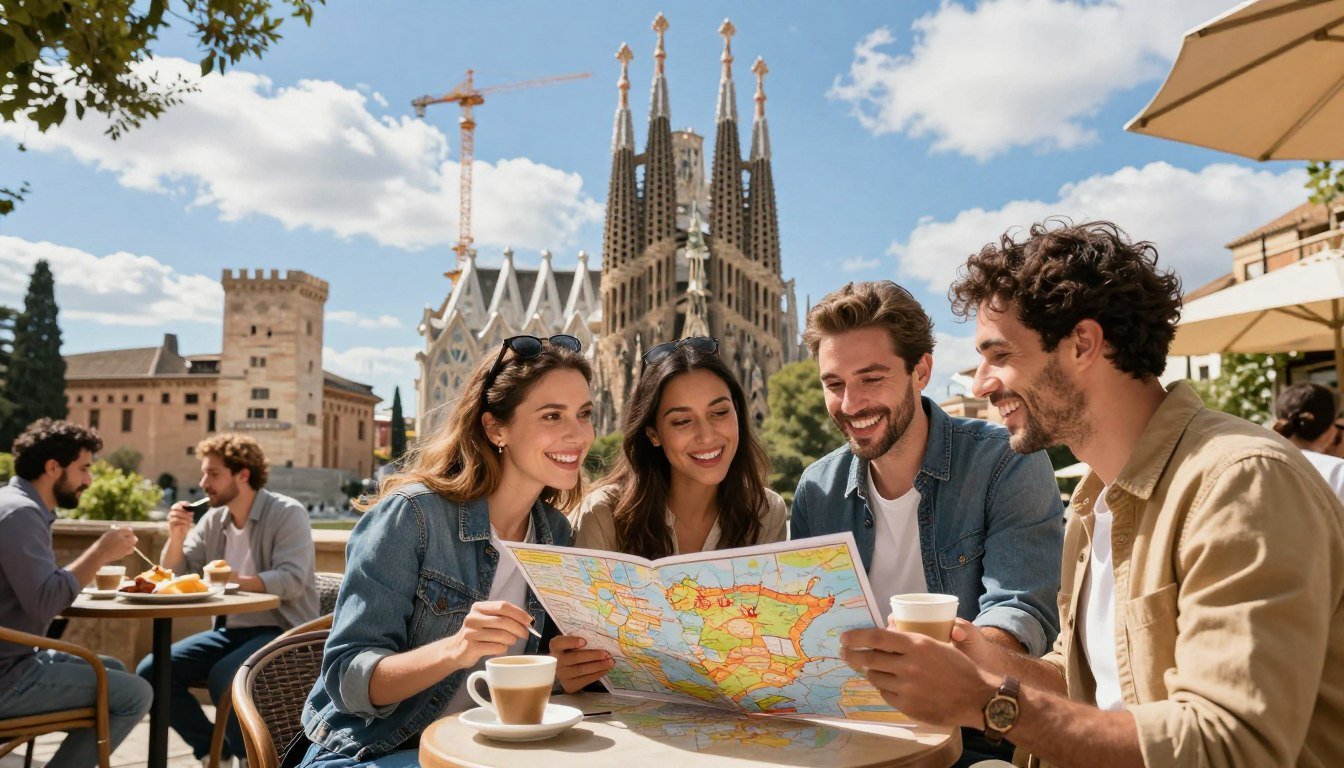
Complete Spain Travel Guide for Beginners

Complete Spain Travel Guide for Beginners Embarking on a journey to Spain can be a thrilling experience, especially for first-timers. With its rich culture, historical landmarks, and vibrant cities, Spain has something to offer every kind of traveler. Planning your trip to Spain involves more than just booking flights and hotels. It's about understanding the local culture, knowing the best places to visit, and being prepared with essential travel tips. Our comprehensive guide is designed to help you navigate through Spain like a pro. From the bustling streets of Madrid to the artistic treasures of Barcelona, we'll provide you with the necessary tools to make your trip a success. Planning Your First Trip to Spain As you prepare for your inaugural Spanish adventure, understanding the essentials can make all the difference. Planning ahead ensures that your trip is both enjoyable and stress-free. Best Time to Visit Spain Spain's climate varies significantly from one region to another. The best time to visit is in spring (March to May) and autumn (September to November), when the weather is mild and pleasant across most regions. Summer can be very hot, especially in the interior, while winters are cool and rainy in the north. Visa Requirements for US Citizens For US citizens, a visa is not required for tourism or business stays up to 90 days. You must have a valid passport with at least six months' validity beyond your planned departure date from Spain. It's also recommended to have proof of sufficient funds and a return ticket. Budget Planning for Different Travel Styles Budgeting is crucial for a successful trip. Spain can cater to various travel styles, from budget-friendly to luxury. Budget Travel Options For budget travelers, options include staying in hostels, eating at local tapas bars, and using public transportation. Average daily expenses can range from $60 to $100 per person. Mid-Range and Luxury Experiences Mid-range travelers can enjoy a mix of budget and luxury, with hotel stays and dining at mid-range restaurants. Luxury travelers can indulge in high-end hotels, fine dining, and private tours. Daily expenses for mid-range can be between $100 to $200, while luxury travelers may spend $300 or more per day. Understanding these essentials can help you plan a trip that suits your preferences and budget, ensuring a memorable experience in Spain. Getting Around Spain With a well-developed infrastructure, getting around Spain is relatively straightforward. The country offers a variety of transportation options to suit different travel styles and preferences. Public Transportation Networks Spain's public transportation network is comprehensive and efficient, making it easy to travel between cities and within them. The network includes buses, metro systems, and trains. Metro Systems and City Buses Major cities like Madrid and Barcelona have extensive metro systems, with multiple lines covering most areas. City buses complement the metro, providing coverage to areas not reached by train. Tourist Cards and Passes Consider purchasing a tourist card or pass for convenient and cost-effective travel. These cards often provide unlimited travel on public transportation, discounts at attractions, and other perks. Renting a Car in Spain For those who prefer more flexibility, renting a car is a viable option. Spain has a well-maintained road network, and renting a car allows travelers to explore rural areas and smaller towns. Compare rental prices and options online. Ensure you understand the rental agreement terms. Consider the type of vehicle suitable for your travel plans. High-Speed Trains and Domestic Flights For longer distances, Spain's high-speed train network (AVE) and domestic flights are efficient options. The AVE connects major cities like Madrid, Seville, and Barcelona. Domestic flights are also available for longer distances or to reach islands like the Balearics and Canaries. Complete Travel Guide to Spain for Beginners As you plan your trip to Spain, understanding the essentials can make a big difference. Spain is a country rich in culture, history, and natural beauty, offering a diverse experience for travelers. To ensure a smooth and enjoyable journey, it's crucial to be prepared with the right documents, knowledge, and mindset. Essential Travel Documents and Preparation Before traveling to Spain, it's vital to have the necessary travel documents. For US citizens, a valid passport is required, and it should be valid for at least three months beyond your planned departure date from Spain. While a visa is not required for US citizens for tourism or business stays up to 90 days, ensuring your passport is up to date is essential. Key documents to prepare: Valid passport Travel insurance documents Proof of accommodation Return or onward ticket Packing Tips for Spanish Seasons Spain's climate varies significantly from one region to another and across different seasons. Understanding the weather during your visit can help you pack appropriately. Seasonal packing tips: Summer (June to August): Lightweight clothing, sunscreen, and a hat. Winter (December to February): Warm clothing, especially for the northern regions. Spring (March to May) and Autumn (September to November): Layers for mild temperatures and potential rain. Travel Insurance and Healthcare Access Travel insurance is highly recommended for visitors to Spain. It covers unexpected medical expenses, trip cancellations, and other travel-related issues. Spain's healthcare system is of high quality, and EU citizens can access it with a European Health Insurance Card (EHIC). For non-EU citizens, including US travelers, having comprehensive travel insurance that includes medical coverage is crucial. Considerations for travel insurance: Medical coverage Trip cancellation and interruption Personal belongings and luggage Top Destinations in Spain for First-Time Visitors Spain's diverse regions offer a multitude of experiences for first-time visitors, ranging from cultural hotspots to beautiful landscapes. Whether you're interested in history, architecture, or simply enjoying the local cuisine, Spain has something for everyone. Madrid: Cultural Capital Highlights Madrid, the capital city, is a must-visit destination for any traveler to Spain. It is known for its rich cultural heritage, including world-class museums and historic plazas. Must-See Museums and Plazas Some of the top attractions in Madrid include the Prado Museum, Reina Sofia Museum, and the historic Plaza Mayor. The Prado Museum houses an extensive collection of European art, while the Reina Sofia is famous for Picasso's Guernica. Day Trips from Madrid Madrid also serves as a great base for exploring the surrounding region. Day trips to the Royal Palace of Aranjuez and the historic town of Segovia are highly recommended. Barcelona: Gaudí's Architecture and Beach Life Barcelona, the capital of Catalonia, is renowned for its modernist architecture, particularly the works of Antoni Gaudí. Visitors can explore the famous Sagrada Família, Park Güell, and enjoy the city's vibrant beach life. Andalusia: Seville, Granada, and Córdoba Andalusia is a region rich in history and culture, with cities like Seville, Granada, and Córdoba offering unique experiences. In Seville, visitors can explore the Royal Alcázar Palace and the Archivo de Indias. Granada is home to the breathtaking Alhambra, while Córdoba boasts the Mezquita, a mosque-cathedral that is a marvel of Islamic architecture. Northern Spain: San Sebastián and Bilbao Northern Spain is known for its gastronomy and cultural heritage. San Sebastián is famous for its culinary delights and beautiful beaches, while Bilbao is home to the Guggenheim Museum, a masterpiece of modern architecture. In conclusion, Spain offers a diverse range of destinations that cater to the interests of first-time visitors. From the cultural richness of Madrid and the architectural marvels of Barcelona to the historical significance of Andalusia and the gastronomic delights of Northern Spain, there's something for everyone. Spanish Culture and Etiquette for American Visitors Spain, known for its rich cultural heritage, has unique customs and etiquette that, when understood, can significantly enhance your travel experience. Understanding these nuances is key to a harmonious and enjoyable trip. Understanding Spanish Social Customs Spanish social customs are warm and welcoming. For instance, greetings are often elaborate and involve kissing both cheeks. Mealtimes are sacred, and you'll find that Spaniards take their time when dining, often lingering over meals. It's also customary to respect the local siesta time, although it's not as universal as it once was. Siesta Culture and Business Hours The traditional siesta culture is still observed in many parts of Spain, particularly in smaller towns. Businesses often close for a few hours in the early afternoon, typically from 2 pm to 4 pm. However, this custom is less common in larger cities like Madrid and Barcelona, where the pace of life is faster. Understanding these business hours can help you plan your day effectively. Tipping Practices and Service Expectations Tipping in Spain is generally less than in the United States, but it's still appreciated for good service. A tip of 5-10% is considered generous. In bars and cafes, it's common to leave small change or simply round up the bill. Service staff, including tour guides and restaurant workers, appreciate tips for good service, but it's not mandatory. By understanding and respecting Spanish culture and etiquette, you can make the most of your trip and enjoy a more authentic experience. Whether you're exploring historic cities or relaxing on beautiful beaches, being mindful of local customs will enrich your travel experience. Spanish Cuisine for Beginners Exploring Spanish cuisine is a journey through diverse regional flavors and traditions that are sure to delight any beginner. Spanish cuisine is known for its rich variety, influenced by its complex history and geography. As a beginner, diving into this culinary world can be both exciting and overwhelming, but with a little guidance, you'll be enjoying local dishes like a pro in no time. Must-Try Spanish Dishes by Region Spanish cuisine is incredibly diverse, with different regions offering their own specialties. Here are some must-try dishes and culinary experiences to look out for: Tapas Culture Tapas are a quintessential part of Spanish dining, offering a variety of small plates that are perfect for sharing. From classic patatas bravas (spicy potatoes) to croquetas (deep-fried balls filled with ham, fish, or chicken), tapas are a great way to sample a range of flavors. Tapas culture is about more than just food; it's a social activity that encourages conversation and community. Regional Specialties Paella from Valencia: This iconic rice dish is flavored with saffron and typically includes a mix of vegetables, seafood, and/or meat. Gazpacho from Andalusia: A refreshing cold soup made from tomatoes, peppers, cucumbers, and bread. Polbo á feira from Galicia: Boiled octopus served with paprika and olive oil. Dining Etiquette and Meal Times Understanding dining etiquette and meal times is crucial to fully experiencing Spanish cuisine. Spaniards typically eat later than many other cultures, with lunch served between 2 pm and 4 pm and dinner between 9 pm and 11 pm. It's also customary to start with a small dish or tapas before the main course. Mealtimes are considered sacred, and you'll often find locals lingering over their food, enjoying the company of others. Food Tours and Market Experiences One of the best ways to immerse yourself in Spanish cuisine is through food tours and market experiences. Guided tours can take you through local markets, introducing you to fresh produce, cheeses, and local delicacies. You'll also have the chance to taste a variety of dishes, from street food to restaurant meals, gaining insight into the culinary traditions and history behind each dish. Accommodation Options Across Spain Accommodation in Spain is as varied as its culture, offering something for everyone. Whether you're looking for luxury, budget-friendly options, or something unique, Spain has a wide range of choices to make your stay comfortable and memorable. Hotels and Historic Paradores Spain is renowned for its historic paradores, which are often located in castles, convents, or other buildings of historical significance. These, along with modern hotels, offer a blend of traditional charm and contemporary comfort. Many hotels are situated in prime locations, making it easy to explore major attractions. Luxury hotels with modern amenities Historic paradores offering cultural immersion Boutique hotels with unique designs Vacation Rentals and Budget Stays For those on a budget or looking for a home away from home, vacation rentals are an excellent option. They range from apartments in city centers to villas in coastal areas. Budget stays, including hostels, provide affordable accommodation without compromising on the experience. Affordable apartments and villas Budget hostels with social atmospheres Unique Accommodations: Castles, Monasteries, and Rural Houses For a truly unique experience, consider staying in a castle, monastery, or rural house. These accommodations offer a chance to immerse yourself in local culture and history. They range from luxurious castles to simple rural houses, each providing a distinct experience. Castles and fortresses turned into hotels Monasteries offering spiritual retreats Rural houses for a peaceful countryside stay Language Tips for American Travelers While many Spaniards speak English, learning a few key phrases in Spanish can greatly enhance your travel experience. Understanding the local language can help you navigate through cities, interact with locals, and appreciate the culture more deeply. Essential Spanish Phrases and Pronunciation Mastering a few essential Spanish phrases can go a long way in making your trip more enjoyable. Start with basic greetings like "Hola" (OH-lah) for "Hello" and "Gracias" (GRAH-see-ahs) for "Thank you." Other useful phrases include "¿Dónde está...?" (DOHN-deh EH-stah) meaning "Where is...?" and "¿Cuánto cuesta?" (KWAHN-toh KWEHS-tah) meaning "How much does it cost?" Regional Languages: Catalan, Basque, and Galician Spain is linguistically diverse, with several regional languages. Catalan is spoken in Catalonia, particularly in Barcelona. Basque is unique to the Basque Country, and Galician is spoken in Galicia. While Spanish is the official language across the country, learning a few words in these regional languages can be appreciated by the locals. For example, saying "Bon dia" (BOHN DEE-ah) in Catalan or "Kaixo" (KAY-show) in Basque can be a friendly gesture. Safety and Practical Information To ensure a smooth and enjoyable trip to Spain, it's crucial to be informed about safety and practical aspects. Understanding these elements can help you navigate everyday situations with confidence. Common Tourist Scams Spain, like many tourist destinations, experiences scams targeting visitors. Common scams include pickpocketing in crowded areas and tourist hotspots, as well as more sophisticated schemes like the "dropped money" scam. To avoid these, remain vigilant, especially in crowded places, and keep your belongings secure. Be cautious of overly friendly locals who might be trying to distract you. Keep your valuables close and consider using a money belt. Avoid displaying signs of wealth (e.g., expensive jewelry or watches). Emergency Services and Healthcare Spain has a well-regarded healthcare system, and both EU and non-EU citizens can access medical care. For emergencies, dial 112, the European emergency number. It's also wise to have travel insurance that covers medical expenses. Key Healthcare Tips: Ensure you have the European Health Insurance Card (EHIC) if you're an EU citizen. Know the location of your nearest hospital or clinic. Money Matters The official currency in Spain is the Euro. ATMs are widely available, and credit cards are accepted in most establishments. Be aware of potential fees associated with using foreign ATMs or making transactions in a different currency. Payment MethodAcceptanceFees to ConsiderCash (Euros)Universally acceptedNone, but beware of theftCredit/Debit CardsWidely acceptedForeign transaction fees, ATM feesATMsWidely availableATM withdrawal fees, foreign transaction fees Conclusion: Making the Most of Your Spanish Adventure As you prepare to embark on your journey through Spain, remember that this complete travel guide to Spain for beginners is your key to unlocking an unforgettable experience. With its rich culture, history, and breathtaking landscapes, Spain has something to offer every traveler. By following this beginner-friendly guide to traveling in Spain, you're now well-equipped to navigate the country's public transportation, indulge in its delicious cuisine, and explore its vibrant cities. Stay open-minded, be prepared for the local customs, and don't hesitate to try new things – from tapas to flamenco dancing. Whether you're wandering through the artistic treasures of Madrid, strolling along Barcelona's beaches, or exploring the historic sites of Andalusia, Spain's diverse regions will captivate your senses. With this guide, you're ready to make the most of your Spanish adventure and create memories that will last a lifetime.

Complete Spain Travel Guide for Beginners: Embarking on a journey to Spain can be a thrilling experience, especially for first-timers. With its rich culture, historical landmarks, and vibrant cities, Spain has something to offer every kind of traveler. Planning your trip to Spain involves more than just booking flights and hotels. It’s about understanding the … Read more

Explore the Best Cities to Visit in the USA on a Budget

Best Cities to Visit in the USA on a Budget

Explore the Best Cities to Visit in the USA on a Budget: Traveling on a budget doesn’t mean you have to compromise on the quality of your experience. The USA is home to numerous affordable travel destinations that offer a mix of culture, adventure, and relaxation without breaking the bank. Imagine exploring vibrant streets, historical … Read more

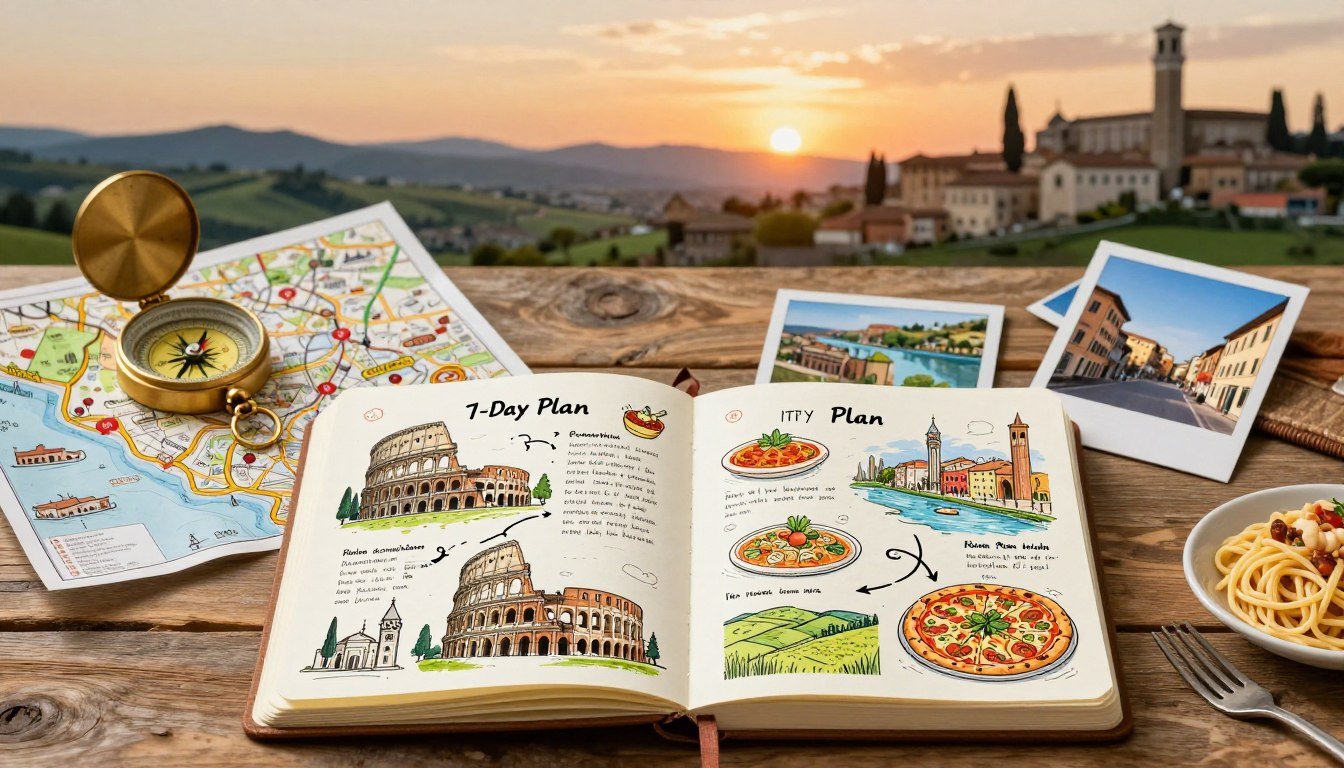
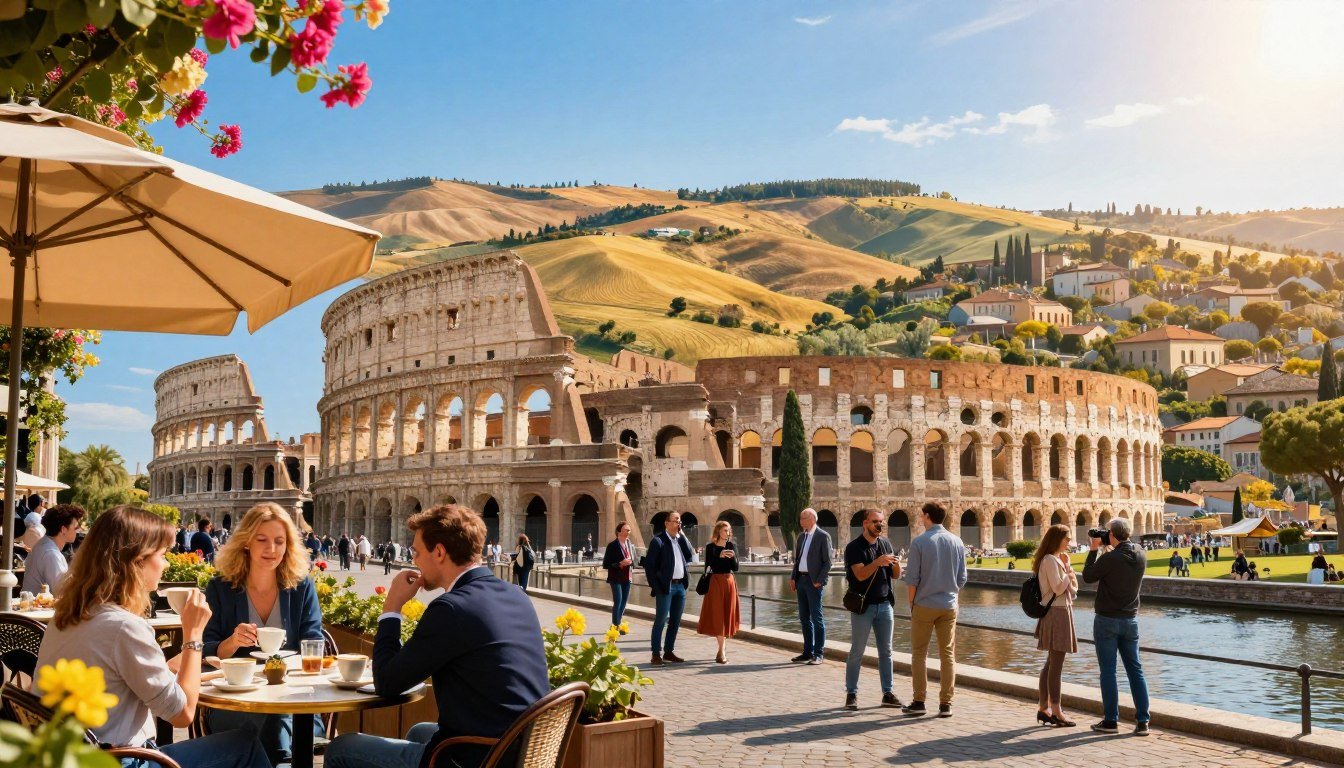
7-Day Italy Itinerary: Explore Cities, Food, and Hidden Gems

7-Day Italy Itinerary: Cities, Food, and Hidden Gems

Embark on a journey through Italy‘s most captivating destinations with our carefully curated 7-day travel plan. Discover the rich history, vibrant culture, and delectable cuisine that this beautiful country has to offer. From the ancient ruins of Rome to the romantic canals of Venice, this 7-day italy itinerary is your gateway to experiencing the best … Read more

Europe’s Top Picks for First-Time Travelers

Europe's Top Picks for First-Time Travelers

Europe’s Top Picks for First-Time Travelers: Embarking on your first European adventure can be both thrilling and overwhelming. With so many incredible destinations to explore, it’s hard to know where to start. Discover the essence of Europe with our guide to the top destinations that will make your trip unforgettable. From iconic landmarks to hidden … Read more