
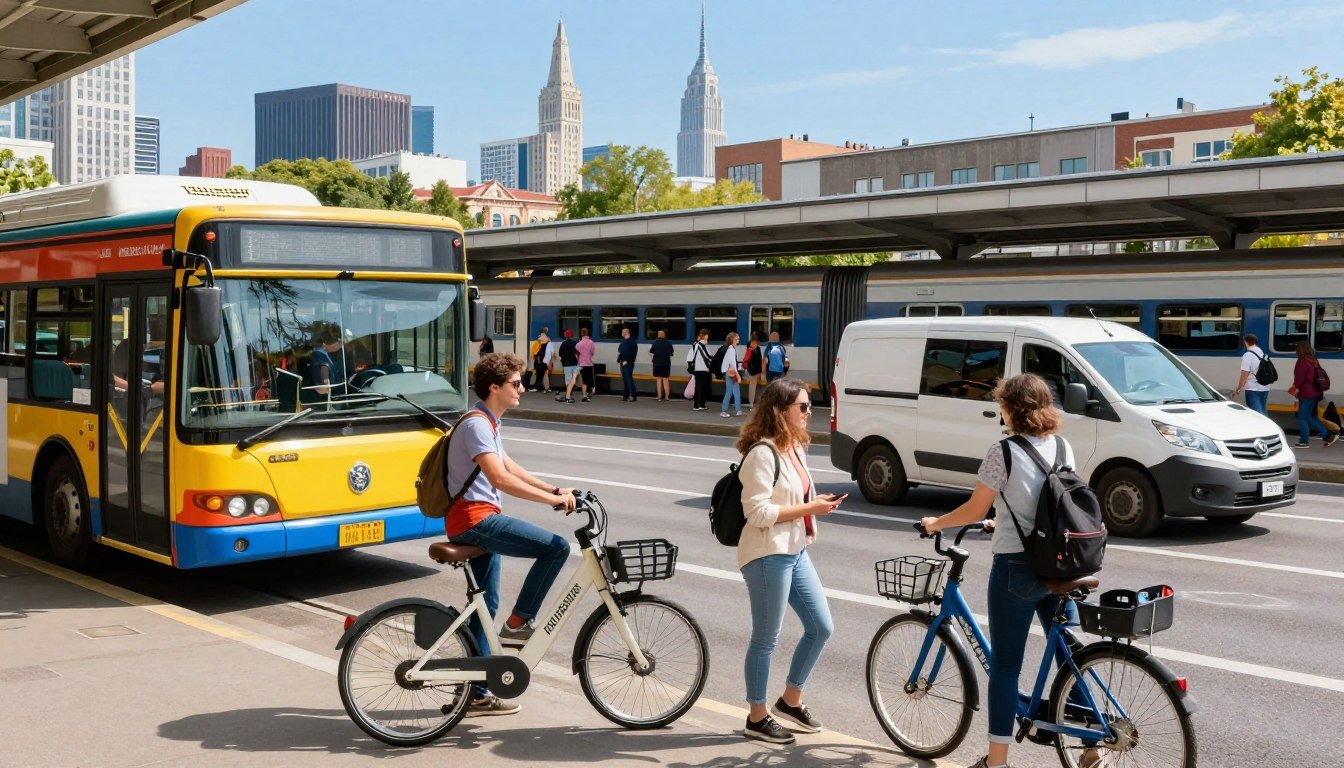
Discover the Cheapest Ways to Travel Between Cities: Traveling between cities can be expensive, but there are several budget transportation options available. By understanding the cost factors and using the right transportation methods, you can save money and explore more destinations.
Whether you’re a frequent traveler or just looking for an affordable way to get to your next destination, there are various options to consider. Bus, train, and flight options are available, as well as ridesharing and carpooling, which can significantly reduce costs.
By exploring these budget-friendly options, you can discover the cheapest ways to travel between cities and make your travel plans more affordable.
Understanding the Cost Factors in Intercity Travel
Intercity travel costs are influenced by a variety of elements, including distance, timing, and demand. Understanding these factors can help travelers make informed decisions to reduce their expenses.
Distance and Its Impact on Transportation Costs
The distance between cities is a primary factor in determining travel costs. Generally, the longer the distance, the higher the cost. However, the cost per mile can decrease as distance increases for certain modes of transportation.
Peak vs. Off-Peak Travel Pricing
Travel pricing varies significantly between peak and off-peak seasons. Off-peak travel can offer substantial savings, as demand is lower. For instance, traveling during the off-season or mid-week can be more affordable.

Advance Booking Benefits
Booking in advance is a strategy that can lead to significant savings. Many transportation services offer discounts for early bookings.
How Far Ahead to Book for Maximum Savings
The ideal booking time varies by transportation mode and service provider. Generally, booking at least 2-3 weeks in advance is recommended, but some services offer better deals even earlier.
| Transport Mode | Advance Booking Period | Potential Savings |
|---|---|---|
| Bus | 2-4 weeks | Up to 50% |
| Train | 3-6 weeks | Up to 40% |
| Flight | 6-8 weeks | Up to 30% |
Bus Travel: America’s Most Affordable Transit Option
When it comes to economical travel between urban areas, bus companies offer some of the best deals. Bus travel is a budget-friendly way to traverse the United States, with companies like Greyhound, Megabus, and FlixBus leading the charge.

Comparing Greyhound, Megabus, and FlixBus Networks
Each of these major bus services has its strengths. Greyhound is one of the most established, with an extensive network across the country. Megabus is known for its competitive pricing, often offering $1 tickets for early bookings. FlixBus, a relative newcomer, has quickly expanded its routes and offers amenities like free Wi-Fi and power outlets.
Here’s a comparison of their key features:
| Bus Service | Network | Pricing | Amenities |
|---|---|---|---|
| Greyhound | Extensive, nationwide | Competitive, discounts for early booking | Wi-Fi, power outlets |
| Megabus | Major cities, regional routes | $1 tickets for early bookings, promotional fares | Free Wi-Fi |
| FlixBus | Rapidly expanding, focus on dense urban areas | Competitive pricing, discounts for advance booking | Free Wi-Fi, power outlets, onboard entertainment |
Regional Bus Services Worth Considering
Beyond the major players, regional bus services can offer more tailored options for specific routes. Companies like BoltBus and various local transit services provide affordable alternatives for shorter or more specialized journeys.
How to Score $1 Bus Tickets
Scoring $1 bus tickets often requires flexibility and advance planning. Megabus, in particular, is known for offering these promotional fares for early bookings.
Best Days to Book Bus Travel
Booking on certain days can increase your chances of getting the best deals. Generally, Tuesdays and Wednesdays are considered optimal for booking bus travel as they tend to be less busy than Mondays and Fridays.
By understanding the strengths of different bus services and being strategic about when you book, you can save money on your intercity travels.
Train Travel: Amtrak’s Budget-Friendly Routes
Amtrak provides several budget-friendly routes that make intercity travel affordable. For travelers looking for inexpensive city-hopping options, Amtrak’s services offer a convenient and relatively stress-free way to see the country.
Saver Fares and USA Rail Passes Explained
Amtrak offers various discount programs to make train travel more affordable. Saver Fares are available on select routes and can offer significant savings for travelers who book in advance. Additionally, the USA Rail Pass allows for flexible travel across Amtrak’s network, making it an excellent choice for those planning multiple trips.
Northeast Corridor vs. Cross-Country Routes: Price Differences
The cost of traveling on Amtrak varies significantly depending on the route. The Northeast Corridor routes, which include popular journeys like Boston to New York, tend to be more expensive due to high demand. In contrast, cross-country routes offer a more affordable option for long-distance travel, with prices varying based on the class of service and availability.
Amtrak’s Unreserved Coach Services
Amtrak’s unreserved coach services provide an affordable option for travelers who do not need the flexibility of changing their seat or the amenities of reserved seating. This option is ideal for those on a tight budget or with flexible travel plans.
Station Locations and Accessibility Considerations
When planning your trip with Amtrak, it’s essential to consider the location and accessibility of train stations. Many Amtrak stations are centrally located in city centers, making it easy to connect to other forms of transportation. However, some stations may have limited accessibility features, so it’s crucial to check ahead of time to ensure a smooth journey.
Budget Airlines: Domestic Flights Under $100
Budget airlines have revolutionized the way we travel within the United States, making it possible to fly domestically for under $100. This significant shift in air travel affordability has opened up new possibilities for travelers looking to explore different parts of the country without breaking the bank.
Southwest, Spirit, and Frontier: Route Networks and Base Fares
Three major players dominate the budget airline landscape in the U.S.: Southwest Airlines, Spirit Airlines, and Frontier Airlines. Each of these carriers offers an extensive network of domestic routes, often at competitive prices.
- Southwest Airlines is known for its generous baggage policy and friendly service, operating in numerous domestic airports.
- Spirit Airlines offers ultra-low base fares but charges extra for amenities, making it a good option for minimalist travelers.
- Frontier Airlines provides a mix of low fares and optional add-ons, appealing to a wide range of budget-conscious travelers.
| Airline | Average Domestic Fare | Baggage Policy |
|---|---|---|
| Southwest Airlines | $80-$150 | 2 free checked bags |
| Spirit Airlines | $60-$120 | Fees apply for checked bags |
| Frontier Airlines | $70-$140 | Fees apply for checked bags |
Navigating Baggage Fees and Add-ons
When flying with budget airlines, it’s crucial to factor in additional costs for baggage, seat selection, and other amenities. These add-ons can significantly impact the total cost of your flight.
To save money, travelers should consider packing lightly to avoid checked baggage fees. Some airlines also offer bundled packages that can be more cost-effective than à la carte options.
Airport Location Factors: Major Hubs vs. Secondary Airports
The choice between major hubs and secondary airports can also affect the cost of flights. Major hubs often have higher fees and taxes, which can be passed on to consumers.
Opting for secondary airports, when feasible, can sometimes result in cheaper flights. However, travelers must weigh this against the potential increased cost and inconvenience of traveling to and from these airports.
Best Flight Search Tools for Budget Travelers
To find the best deals on budget flights, travelers can utilize various flight search tools. Platforms like Google Flights, Skyscanner, and Kayak allow users to compare prices across different airlines and airports.
Setting fare alerts and being flexible with travel dates can also help in securing the lowest prices.
Ridesharing and Carpooling Networks
For those looking to save on intercity travel, ridesharing and carpooling offer an affordable solution. These platforms connect drivers with empty seats to passengers looking for economical travel options, making them an attractive alternative to traditional transportation methods.
BlaBlaCar and Other Long-Distance Rideshare Platforms
BlaBlaCar is one of the most popular long-distance ridesharing platforms, operating in numerous countries worldwide. It allows users to share rides with others traveling in the same direction, significantly reducing travel costs. Other platforms like Carpool World and Rideshare US also offer similar services, providing a range of options for travelers.
University Rideshare Boards and Community Options
Many universities have their own rideshare boards or community groups where students can find or offer rides to nearby cities or towns. These community-driven platforms are not only cost-effective but also foster a sense of community among students. Similarly, local online forums and social media groups often serve as hubs for people looking to share rides.
Cost Comparison with Traditional Transportation
Ridesharing is often significantly cheaper than traditional bus or train travel. For instance, a ride from New York to Boston on BlaBlaCar might cost between $15-$25, whereas a bus ticket could range from $20-$40. By comparing prices, travelers can make informed decisions about the most economical options for their journeys.
Safety Protocols for Shared Rides
While ridesharing offers numerous benefits, safety is a paramount concern. Users should always check the ratings and reviews of potential ride partners. Additionally, sharing personal contact information or meeting in isolated areas should be avoided. Most reputable platforms have built-in safety features, such as verified profiles and in-app messaging, to help ensure a secure experience.
The Cheapest Ways to Travel Between Cities Based on Distance
The cost of traveling between cities varies significantly based on the distance, with different modes of transportation offering the best value for different ranges. Understanding these options can help travelers make informed decisions and save money.
Short Distance (Under 100 Miles): Best Options
For short distances, bus travel is often the most affordable option. Services like Greyhound and local transit networks provide frequent departures at low costs. For instance, a trip between nearby cities might cost as little as $5-$10.
Regional bus services are particularly convenient for short distances, offering direct routes and affordable fares.
Medium Distance (100-300 Miles): Cost Analysis
For medium distances, the competition between bus and train services intensifies. Amtrak’s regional trains and bus services like Megabus offer competitive pricing. A train ticket might range from $20 to $100, while bus tickets can be even cheaper, often between $10 and $50.
Long Distance (Over 300 Miles): Budget Strategies
Long-distance travel often involves a trade-off between cost and time. While flying is the fastest option, it’s not always the cheapest. Budget airlines like Spirit and Frontier offer competitive fares, but additional fees can add up. For a more budget-friendly option, consider overnight buses or trains, which save on accommodation costs.
Popular Intercity Routes and Their Cheapest Options
Some popular routes have particularly affordable options. For example, the bus is often the cheapest way to travel between major cities like New York and Boston or Los Angeles and San Francisco.
- New York to Boston: $10-$30 by bus
- Los Angeles to San Francisco: $20-$50 by bus or train
- Chicago to Minneapolis: $20-$40 by train or bus
By choosing the right mode of transportation based on distance, travelers can significantly reduce their travel expenses.
Combining Transportation Methods for Maximum Savings
Frugal travelers often find that using multiple transportation methods is the key to affordable journeys. By combining different modes of transport, travelers can capitalize on the strengths of each, minimizing both cost and travel time.
Multi-Modal Travel Planning Tools
Several online platforms and apps specialize in multi-modal travel planning, helping users navigate the best combinations of buses, trains, and flights for their journeys. Some popular tools include:
- Google Maps
- Rome2rio
- Moovit
These tools not only suggest the fastest routes but also provide cost comparisons, helping travelers make informed decisions about their transportation choices.
Transit Apps That Connect Different Services
Transit apps have revolutionized the way we travel by providing real-time information and seamless booking experiences across various transportation services. Some notable apps include:
- Citymapper
- Transit
These apps often include features like journey planning, live tracking, and payment integration, making multi-modal travel more convenient than ever.
Case Studies: Boston-NYC and LA-San Francisco Budget Routes
Let’s examine two popular routes: Boston to NYC and LA to San Francisco. For each route, we can combine different transportation methods to achieve maximum savings.
| Route | Transportation Method | Cost | Time |
|---|---|---|---|
| Boston to NYC | Bus + Train | $20-$50 | 4-5 hours |
| LA to San Francisco | Bus + Flight | $50-$150 | 3-4 hours |
Transfer Time Considerations
When combining different transportation methods, transfer times become a crucial factor. Allowing sufficient time for transfers can reduce the risk of missed connections and overall travel stress. It’s also essential to consider the location of transfer points and any potential costs associated with changes in transportation mode.
Membership Programs and Discount Opportunities
Whether you’re a student, a frequent traveler, or a senior, there are membership programs and discounts designed to make intercity travel more affordable. By leveraging these opportunities, you can significantly reduce your travel expenses.
Student, Military, and Senior Discount Programs
Many transportation services offer discounted fares for students, military personnel, and seniors. For instance, Amtrak provides a 10-15% discount on most fares for students, military personnel, and seniors with valid identification. Similarly, bus services like Greyhound offer discounts for students and military personnel.
- Students can benefit from discounted fares on Amtrak and Greyhound with a valid student ID.
- Military personnel can receive discounts on various transportation services with their military ID.
- Seniors can enjoy reduced fares on Amtrak and other services, typically with a valid senior ID.
Credit Cards That Maximize Travel Rewards
Using the right credit card can maximize your travel rewards. Cards like Chase Sapphire Preferred and Capital One Venture offer generous rewards points that can be redeemed for travel expenses.
- Chase Sapphire Preferred: Offers 2X points on travel and dining purchases.
- Capital One Venture: Provides 2X miles on all purchases, redeemable for travel.
Annual Passes and Frequent Traveler Programs
For frequent travelers, annual passes and frequent traveler programs can offer substantial savings. Amtrak’s USA Rail Pass, for example, allows for unlimited travel within a set period.
| Program | Benefits | Cost |
|---|---|---|
| Amtrak USA Rail Pass | Unlimited travel within 15 or 30 days | $459-$749 |
| Regional Rail Passes | Discounted travel within specific regions | $100-$300 |
Comparing Membership Costs vs. Savings
When considering a membership program, it’s essential to compare the costs versus the potential savings. For example, if you travel frequently between cities, an annual pass might be more cost-effective than buying individual tickets.
By carefully evaluating your travel habits and exploring the available membership programs and discounts, you can enjoy inexpensive city-hopping options and make your intercity travel more affordable.
Seasonal Strategies for Budget Intercity Travel
Intercity travel can be economical if you time your trips right, taking advantage of off-peak rates. Understanding the seasonal dynamics of transportation costs can help you save significantly on your next journey.
Off-Season Travel Benefits by Region
Different regions have different off-seasons. For instance, traveling to ski resorts in the summer or visiting warm destinations during the winter can lead to substantial savings. Off-season travel not only reduces costs but also enhances the travel experience by avoiding crowds.
Weather Considerations for Different Transportation Methods
Weather plays a crucial role in determining the best mode of transportation. For example, train travel is generally more reliable during harsh weather conditions compared to driving or flying. Understanding these dynamics can help you choose the best option for your journey.
Holiday Travel: Booking Windows for Best Prices
Booking in advance is crucial for securing the best prices during holiday seasons. Early bird discounts are common among bus and train services. Planning ahead can save you a significant amount.
Flexibility Benefits: Midweek vs. Weekend Travel
Traveling midweek can often result in cheaper fares compared to weekend travel. Being flexible with your travel dates can lead to more budget-friendly options. Consider adjusting your itinerary to save on transportation costs.
Alternative and Emerging Transportation Options
The way we travel between cities is being transformed by innovative services, offering more affordable and sustainable choices for passengers.
Electric Bus Networks and Green Transportation
Electric bus networks are revolutionizing intercity travel by providing a more environmentally friendly option. Companies are investing heavily in electric fleets, reducing carbon emissions and operating costs. For instance, electric bus networks are becoming increasingly popular in regions with strong environmental policies.
Vehicle Relocation Services as Travel Opportunities
Vehicle relocation services, where drivers transport vehicles from one location to another, are emerging as a unique travel option. Platforms like DriveAway and AutoDriveaway connect drivers with individuals needing to relocate their vehicles, offering an affordable way to travel.
Emerging Intercity Mobility Startups
Startups are shaking up the intercity transportation market with innovative solutions. From shared mobility services to advanced route optimization, these companies are making frugal transportation choices more accessible. Some notable examples include startups focusing on sustainable transport and those leveraging AI for better route planning.
Future Trends in Budget Transportation
Looking ahead, we can expect several trends to shape budget transportation. These include the continued growth of electric bus networks, increased adoption of vehicle relocation services, and more efficient routing technologies. As these trends evolve, passengers will benefit from more affordable city-to-city travel options.
By embracing these emerging transportation options, travelers can enjoy more sustainable, affordable, and efficient journeys between cities.
Conclusion: Building Your Personal Intercity Travel Strategy
By understanding the cost factors and using the right transportation methods, you can create a personalized intercity travel strategy that saves you money and enhances your travel experience.
To build your strategy, consider the distance between cities and the most affordable transportation options. For shorter distances, bus travel with companies like Greyhound or Megabus can be cost-effective. For longer distances, budget airlines or train travel with Amtrak may offer the best value.
Combining transportation methods can also lead to significant savings. Utilize multi-modal travel planning tools and transit apps to connect different services and find the cheapest ways to travel between cities.
Leverage membership programs, discount opportunities, and credit cards that maximize travel rewards to further reduce costs. By adopting these budget transportation options and strategies, you can enjoy affordable and convenient intercity travel.
Ultimately, a well-planned travel strategy allows you to explore new destinations without breaking the bank, making the most of your budget transportation options.