
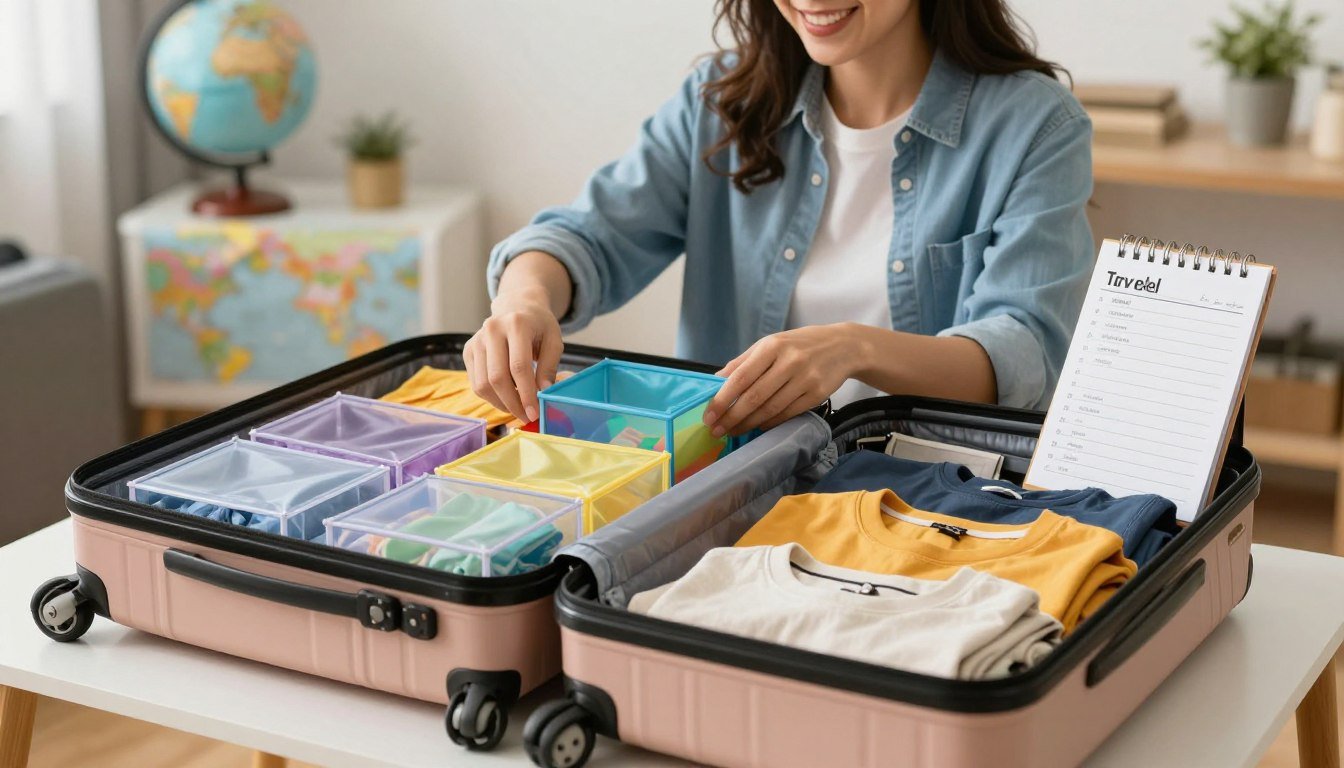
Effortless Packing: Avoid Overpacking with These Tips: Traveling can be a thrilling experience, but the thought of packing can be daunting. Overpacking can lead to unnecessary stress and expenses. In this guide, we will explore some valuable packing tips to help you travel efficiently.
Learning how to pack effectively is crucial for a smooth journey. By focusing on travel essentials, you can avoid the hassle of carrying unnecessary items. Our overpacking tips will help you strike the right balance between being prepared and traveling light.
With these simple strategies, you’ll be well on your way to effortless packing and a more enjoyable travel experience.
The Hidden Costs of Overpacking
The consequences of overpacking extend far beyond the inconvenience of carrying heavy luggage. While it might seem harmless to pack a few extra items “just in case,” the reality is that overpacking can lead to a multitude of hidden costs that affect travelers in various ways.
Physical Strain and Mobility Issues
Carrying heavy or excessive luggage can lead to physical strain and mobility issues, particularly during travel. Lugging around heavy bags can cause back pain, fatigue, and even injuries. This is especially concerning for travelers who have pre-existing health conditions or mobility limitations.
Financial Penalties and Baggage Fees
Overpacking often results in additional financial penalties, primarily through baggage fees. Airlines charge extra for checked bags or for carry-on luggage that exceeds size or weight limits. These fees can add up quickly, making a significant dent in a traveler’s budget.
Average Baggage Fees:
| Airline | First Checked Bag | Second Checked Bag |
|---|---|---|
| Domestic Airlines | $30 | $40 |
| International Airlines | $50-$100 | $100-$200 |
Environmental Impact of Excess Luggage
The environmental impact of excess luggage is another significant hidden cost of overpacking. More luggage requires more fuel to transport, leading to increased carbon emissions. Additionally, the production and disposal of excess luggage items contribute to environmental degradation.

By understanding these hidden costs, travelers can make more informed decisions about their packing habits, leading to a more efficient, cost-effective, and environmentally friendly travel experience.
Pre-Packing Planning: The Foundation of Efficient Travel
Efficient travel starts long before you begin packing; it begins with thorough pre-packing planning. This crucial step ensures that your journey is not only stress-free but also enjoyable from start to finish.
Researching Your Destination’s Weather and Culture
Before you start packing, it’s vital to research your destination’s weather and cultural norms. Understanding the local climate helps you pack the right clothing, while being aware of cultural norms ensures you’re prepared for any specific dress requirements or customs. This research is a key part of destination research and helps in making informed packing decisions.
Creating a Comprehensive Packing List
A well-organized packing organization system starts with a comprehensive packing list. By listing all the essentials, you can avoid overpacking and ensure that you don’t forget anything crucial. This list should include travel essentials such as clothing, toiletries, and important documents.

Planning Outfits for Each Day
Minimalist packing is all about packing smart, not just packing less. Planning your outfits for each day helps in achieving this balance. By doing so, you can ensure that you’re prepared for any occasion without overloading your luggage.
| Packing Strategy | Description | Benefits |
|---|---|---|
| Research-Based Packing | Packing based on destination research | Appropriate clothing, culturally sensitive |
| List-Based Packing | Using a comprehensive packing list | Reduces forgetfulness, avoids overpacking |
| Outfit Planning | Planning outfits for each day | Ensures versatility, reduces luggage space |
By incorporating these pre-packing planning strategies, travelers can enjoy a more streamlined and efficient travel experience. Whether it’s understanding the local weather, creating a detailed packing list, or planning daily outfits, each step contributes to a hassle-free journey.
The Essential Packing Equation: Need vs. Want
One of the most important packing decisions you can make is figuring out what’s truly necessary for your trip. This decision-making process is at the heart of the essential packing equation, which revolves around distinguishing between needs and wants.
Distinguishing Between Necessities and Luxuries
The first step in mastering the packing equation is to differentiate between necessities and luxuries. Necessities are items without which your trip might be uncomfortable or less enjoyable, such as appropriate clothing for the weather, essential toiletries, and important documents.
- Clothing suitable for the destination’s climate
- Toiletries and personal care items
- Travel documents like passports and visas
On the other hand, luxuries are items that, while nice to have, are not essential for the trip. Examples include multiple pairs of shoes, excessive clothing options, and luxury toiletries.
The “What If” Trap and How to Avoid It
A common pitfall when packing is falling into the “what if” trap. This occurs when you pack items “just in case” you might need them. To avoid this trap, ask yourself the likelihood of needing the item and whether it can be purchased or substituted at your destination.
- Assess the likelihood of needing the item.
- Consider if the item can be purchased at your destination.
- Prioritize items based on necessity and likelihood of use.
Embracing Minimalist Packing for Travel Freedom
Embracing minimalist packing can significantly enhance your travel experience. By packing only what you need, you reduce the burden of carrying heavy luggage and increase your mobility.
Minimalist packing also allows for greater flexibility in your travel plans, as you’re not weighed down by excessive luggage. It’s about finding a balance between being prepared and being free to move.
Smart Packing Tips to Avoid Overpacking
To travel efficiently, it’s crucial to master the art of packing smart. Overpacking can lead to unnecessary stress and expenses, but with the right strategies, you can avoid these pitfalls and enjoy a more streamlined travel experience.
The 5-4-3-2-1 Packing Method
The 5-4-3-2-1 packing method is a simple yet effective technique to limit the amount of clothing you bring. This method suggests packing:
- 5 sets of socks and underwear
- 4 tops or shirts
- 3 pairs of pants or shorts
- 2 dresses or skirts (optional)
- 1 light jacket or sweater
This approach helps in reducing decision fatigue and ensures you have a versatile wardrobe for your trip.
The One-Week Rule Regardless of Trip Length
The one-week rule is a straightforward guideline that suggests packing enough clothing for one week, regardless of the trip’s duration. This rule works on the premise that you can always do laundry or purchase necessary items at your destination. By limiting your packing to a week’s worth of clothes, you can significantly reduce the weight and bulk of your luggage.
This method is particularly useful for longer trips or for travelers who plan to be on the move constantly.
The Half-Pack Strategy and Empty Space Principle
The half-pack strategy involves filling your luggage only halfway to the top at first. This allows you to assess what you’ve packed and make adjustments as needed. Once you’re satisfied with your selections, you can then fill the remaining space with items that complement your initial choices. The empty space principle complements this by suggesting that you leave some extra room in your luggage for souvenirs or items you might purchase during your trip.
By implementing these strategies, you can pack more efficiently and avoid the hassle of overpacking.
Space-Maximizing Folding and Organization Techniques
The key to effortless packing lies in adopting the right folding and organization methods that help you fit more into less space. By utilizing effective techniques, travelers can ensure they have everything they need without the burden of excess luggage.
Rolling vs. Folding: When to Use Each Method
The debate between rolling and folding clothes is ongoing, with each method having its advantages. Rolling is great for saving space and reducing wrinkles in items like t-shirts and casual wear. On the other hand, folding is better suited for more delicate or formal items that are prone to wrinkling when rolled. Understanding when to use each method can significantly enhance your packing efficiency.
Packing Cubes and Compression Bags
Packing cubes are a game-changer for organizing your luggage. They help categorize your belongings, making it easier to find what you need without rummaging through your entire suitcase. Compression bags take this a step further by allowing you to compress your clothing, removing excess air and creating more space in your luggage. Together, they make a powerful combination for maximizing luggage space.
The Bundle Wrapping Technique for Wrinkle-Free Clothes
The bundle wrapping technique involves wrapping your clothes around a central core, typically a packing cube or a bundle of socks, to keep them wrinkle-free. This method not only reduces wrinkles but also helps in organizing your clothes within the suitcase. It’s particularly useful for packing delicate or formal attire that you want to keep in pristine condition.
By incorporating these space-maximizing folding and organization techniques into your packing routine, you can enjoy a more streamlined and stress-free travel experience.
Clothing Selection Strategies for Compact Luggage
Packing lightly doesn’t mean you have to sacrifice style or comfort, thanks to effective clothing selection strategies. By focusing on the right pieces and techniques, you can enjoy your travels without the burden of excessive luggage.
Versatile Pieces That Mix and Match
The cornerstone of efficient packing is selecting clothing items that can be mixed and matched to create multiple outfits. Versatile pieces are key to achieving this. Consider packing a few essential items like a classic white shirt, a pair of well-fitting jeans, and a versatile dress that can be dressed up or down. These items can be combined in various ways to suit different occasions.
- A lightweight jacket that can add a layer of warmth
- Scarves or accessories that can change the look of an outfit
- Comfortable walking shoes that are also suitable for evening wear
Fabric Choices for Easy Care and Multiple Wears
The type of fabric you choose can significantly impact how easily you can care for your clothes while traveling. Opting for quick-drying, wrinkle-resistant fabrics can make a big difference. These fabrics not only reduce the need for ironing but also allow for easy hand washing and drying, making them ideal for travelers.
Layering Techniques for Weather Adaptability
Layering is a powerful technique for adapting to different weather conditions without packing a separate outfit for each scenario. By choosing items that can be layered, such as lightweight tops, sweaters, and waterproof jackets, you can adjust your attire to suit the weather. This approach not only saves space in your luggage but also ensures you’re prepared for unexpected weather changes.
By implementing these clothing selection strategies, you can enjoy a more streamlined and stress-free travel experience. Whether you’re heading on a business trip or a leisurely vacation, packing smart is the key to traveling with ease and confidence.
Destination Solutions That Enable Lighter Packing
Knowing what your destination has to offer can significantly reduce what you need to pack. By leveraging local services and amenities, travelers can enjoy a more streamlined and stress-free journey.
Laundry Options While Traveling
One of the most significant advantages of understanding your destination’s laundry options is the ability to pack fewer clothes. Many hotels and accommodations offer laundry services, and some even provide same-day cleaning. Additionally, local laundromats or laundry services can be a convenient option for longer trips.
Local Shopping for Necessities
Travelers often find themselves needing to purchase items at their destination, whether it’s due to forgotten essentials or unexpected needs. Embracing local shopping can be a great way to acquire what you need without overpacking. From clothing to toiletries, local stores offer a variety of products that can help lighten your load.
Accommodation Amenities That Reduce Packing Needs
Many modern accommodations come equipped with amenities that can significantly reduce the need for packing certain items. For instance, some hotels provide toiletries, towels, and even clothing items like robes and slippers. Researching your accommodation’s amenities beforehand can help you avoid overpacking.
| Destination Solution | Benefit | Example |
|---|---|---|
| Laundry Services | Reduces clothing needs | Hotel laundry, local laundromats |
| Local Shopping | Acquires forgotten or needed items | Local stores, malls |
| Accommodation Amenities | Reduces need for certain items | Toiletries, towels, robes |
By taking advantage of these destination solutions, travelers can enjoy a more flexible and enjoyable travel experience, unencumbered by excessive luggage.
Specialized Packing Strategies for Different Trip Types
When it comes to packing for different types of trips, a one-size-fits-all approach just won’t cut it. Different trips demand different packing strategies to ensure a smooth and enjoyable journey. Whether you’re heading out on a business trip, an adventure travel escapade, or a family vacation, understanding the unique packing needs for each type of trip is crucial.
Business Travel: Professional Yet Efficient
For business travel, the focus should be on looking professional while being efficient with your packing. This involves careful selection of attire and ensuring you have all necessary documents.
Digital Documents and Presentation Materials
Ensure you have digital copies of your presentation materials and important documents. This not only saves space but also ensures you have access to them from anywhere.
Versatile Business Attire
Pack versatile business attire that can be mixed and matched. Consider packing clothes that are wrinkle-resistant and can be easily coordinated.
Adventure Travel: Gear Without the Bulk
Adventure travel requires a different approach, focusing on packing the right gear without the bulk. Consider the activities you’ll be doing and pack accordingly.
Family Travel: Sharing the Load Wisely
When traveling with family, it’s essential to share the load wisely among all members. This can help distribute the weight and ensure everyone has what they need.
Kid-Specific Packing Strategies
For families, packing for kids requires special consideration. Bring essentials like diapers, favorite toys, and clothes that can be mixed and matched.
Distributing Items Across Multiple Bags
Distribute items across multiple bags to avoid overloading any one bag. This also ensures that if one bag is lost, not everything is lost.
| Trip Type | Packing Focus | Key Items |
|---|---|---|
| Business Travel | Professional attire, documents | Laptop, presentation materials, business clothes |
| Adventure Travel | Gear for activities | Hiking boots, water bottle, appropriate clothing |
| Family Travel | Sharing the load, kid essentials | Diapers, kid’s clothes, entertainment for kids |
By adopting specialized packing strategies for different trip types, travelers can ensure they’re prepared without overpacking. This not only makes the journey more comfortable but also enhances the overall travel experience.
Conclusion: Embracing the Freedom of Traveling Light
Traveling light is more than just a packing strategy; it’s a mindset that can transform your travel experience. By adopting smart packing tips to avoid overpacking, you can enjoy greater travel freedom and reduce stress associated with cumbersome luggage.
As discussed, pre-packing planning, distinguishing between needs and wants, and using space-maximizing techniques are crucial steps in achieving efficient travel. By implementing these packing tips, you can minimize physical strain, avoid financial penalties, and reduce your environmental impact.
The key to successful traveling light lies in embracing a minimalist approach, being mindful of your clothing selection, and leveraging destination solutions such as laundry options and local shopping. Whether you’re embarking on a business trip, an adventure, or a family vacation, tailored packing strategies can help you travel more efficiently.
By embracing the principles outlined, you can look forward to a more liberating travel experience, enjoying the journey without the burden of excess luggage. Traveling light is not just about packing; it’s about unlocking the freedom to explore and enjoy your travels to the fullest.