
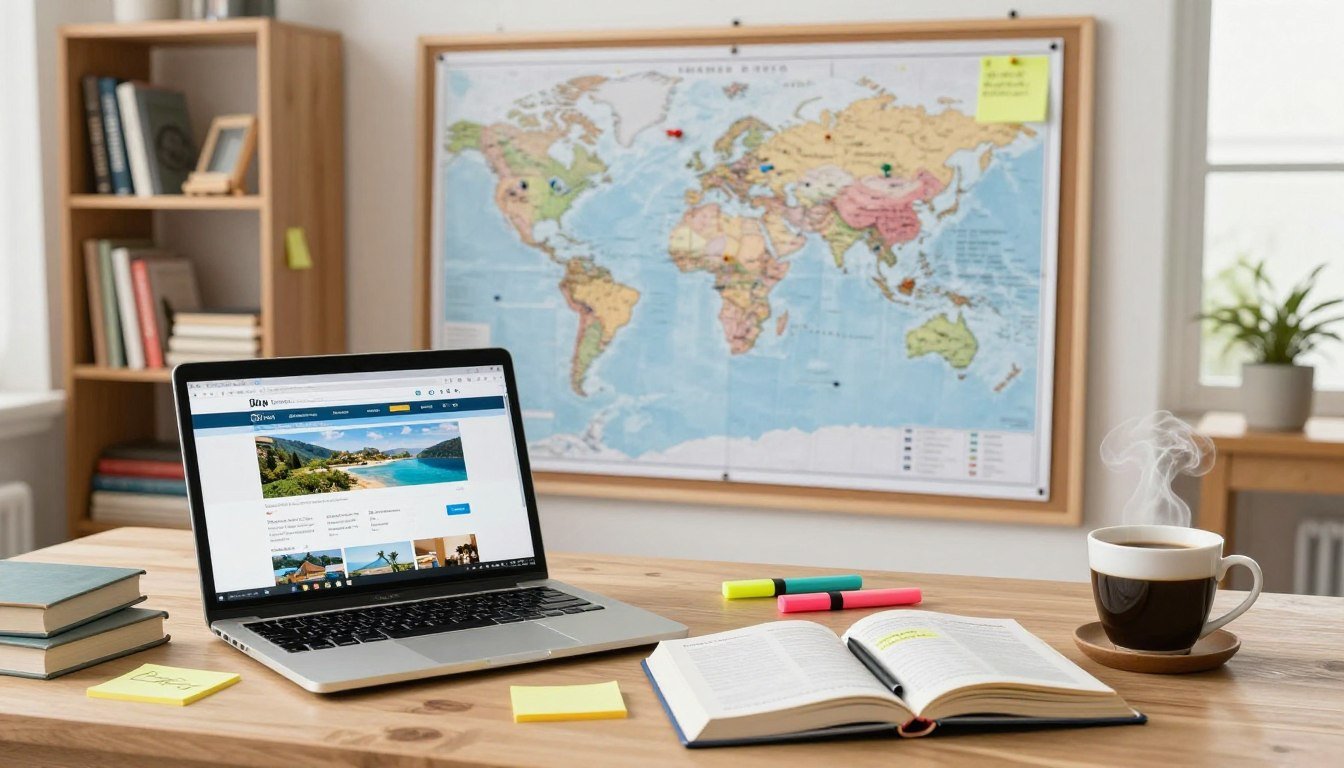
Essential International Travel Tips Before You Go” Embarking on a journey abroad can be a thrilling experience, but being prepared is key to a smooth trip. Understanding the essentials of travel planning can make all the difference.
Before jetting off, it’s crucial to research your destination thoroughly. This includes understanding local customs, being aware of safety concerns, and knowing the necessary documents required for entry.
Having the right information and preparation can significantly enhance your travel experience. By knowing what to expect and how to prepare, you can focus on enjoying your trip.
Planning Your International Adventure
The key to a successful international trip lies in detailed planning, from researching your destination to creating a flexible itinerary. Effective planning ensures that your journey is both enjoyable and stress-free.
Researching Your Destination Country
Understanding your destination is crucial. Research the local culture, climate, and necessary precautions to take. This knowledge will help you pack appropriately and avoid cultural faux pas. Look into local customs, dress codes, and significant events that might affect your travel plans.
Setting a Realistic Travel Budget
Creating a budget is essential for managing your expenses. Consider costs such as flights, accommodation, food, and activities. Allocate funds for unexpected expenses to avoid financial stress during your trip. Research affordable options and plan your itinerary accordingly.
Creating a Flexible Itinerary
A well-planned itinerary balances must-see attractions with free time, allowing you to explore your destination at your own pace.
Balancing Must-See Attractions and Free Time
While it’s tempting to pack your schedule with popular attractions, leaving some room for spontaneity can enhance your travel experience. Prioritize your must-see sites, but also allow for relaxation and unexpected discoveries.
Planning for Transit Days
Transit days can be challenging, especially when crossing multiple time zones. Plan ahead by booking comfortable accommodations and considering travel fatigue. Research transportation options in advance to ensure smooth transitions.

By focusing on these aspects, you’ll be well-prepared for your international adventure, ensuring a memorable and enjoyable experience.
Essential Travel Documents and Requirements
To ensure a smooth trip abroad, travelers must familiarize themselves with necessary travel documents. International travel is not just about booking flights and accommodations; it’s also about having the right paperwork in order.
Passport and Visa Requirements
One of the most critical documents for international travel is a valid passport. Depending on your destination, you may also need a visa. Understanding the requirements for both is crucial.
Passport Validity Rules by Region
Different regions have different rules regarding passport validity. For instance, many countries require that your passport be valid for at least six months beyond your planned departure date.
Visa Application Timelines
Visa application processing times can vary significantly. It’s essential to apply well in advance to avoid any last-minute issues that could delay your travel plans.
| Region | Passport Validity Requirement | Visa Application Timeline |
|---|---|---|
| Europe | 3 months beyond stay | 2-4 weeks |
| Asia | 6 months beyond stay | 4-8 weeks |
| North America | Validity at entry | 1-3 weeks |
Travel Insurance Options
Travel insurance is another vital component of international travel. It provides coverage for unexpected medical or travel-related expenses.
Important Documents to Copy and Store
Making copies of your important documents (such as your passport, visa, and travel insurance) and storing them securely can be a lifesaver in case of an emergency.

By understanding and preparing the necessary travel documents, travelers can ensure a more enjoyable and stress-free international travel experience.
International Travel Tips You Need to Know Before You Go
As you prepare for your international adventure, there are several crucial travel tips to keep in mind. Planning ahead can make a significant difference in your travel experience, ensuring that you are well-prepared for the journey ahead.
Timing Your Trip for Ideal Weather and Prices
Choosing the right time to visit your destination can greatly impact your travel experience. Consider the weather and peak tourist seasons to avoid crowds and high prices.
- Research the best time to visit based on weather and tourist seasons.
- Book in advance to secure better rates for flights and accommodations.
- Be flexible with your travel dates to take advantage of off-peak prices.
Booking Accommodations Strategically
Where you stay can significantly affect your travel experience. Consider booking accommodations that are centrally located and well-reviewed.
Key considerations:
- Read reviews from multiple sources to get a well-rounded view.
- Compare prices across different booking platforms.
- Look for accommodations that offer free cancellation or changes.
Transportation Planning Across Borders
Understanding your transportation options can help you navigate your destination more efficiently. Research the best ways to travel between countries and within your destination.
Notifying Your Bank and Credit Card Companies
To avoid any issues with your finances while abroad, it’s crucial to notify your bank and credit card companies of your travel plans. This helps prevent your transactions from being flagged as suspicious.
- Inform your bank of your travel dates and destinations.
- Ask about any foreign transaction fees.
- Consider getting a credit card with no foreign transaction fees.
Packing Strategies for International Travel
To ensure a comfortable and enjoyable trip abroad, consider these packing strategies. Effective packing can make a significant difference in your travel experience, helping you stay organized and prepared for various situations.
Essential Items for Any Destination
Regardless of where you’re traveling, there are certain items that should always be packed. These include:
- Versatile clothing that can be mixed and matched
- Comfortable shoes suitable for walking
- Toiletries and personal hygiene items
- Essential documents like your passport and travel insurance
- Adapters and converters for different power outlets and voltage requirements
Destination-Specific Packing Considerations
The specific items you pack can vary greatly depending on your destination. For example:
| Destination | Special Items to Pack |
|---|---|
| Tropical climates | Sunscreen, insect repellent, light clothing |
| Cold climates | Thermal layers, gloves, warm hat |
| Rainy climates | Waterproof jacket, umbrella, waterproof shoes |
Luggage Selection and Organization
Choosing the right luggage and organizing it effectively can greatly enhance your travel experience.
Carry-On Essentials
Your carry-on should contain essential items that you might need during the flight or in case your checked luggage is delayed. These include:
- Travel documents
- Electronics and chargers
- Medications and essentials
- A change of clothes
Packing Cubes and Space-Saving Techniques
Using packing cubes can help you stay organized and make the most of your luggage space. Techniques like rolling your clothes and using packing cubes can significantly reduce clutter and make it easier to find what you need.
By implementing these packing strategies, you can ensure a more enjoyable and stress-free international travel experience.
Health Preparations for International Travel
Traveling internationally can expose you to various health risks, making pre-travel health preparations essential. Ensuring you’re health-wise prepared can significantly impact the quality of your travel experience.
Necessary Vaccinations and Medications
Different countries have different health requirements. It’s crucial to consult your healthcare provider or a travel clinic to determine the necessary vaccinations and medications for your destination.
Common vaccinations include those for yellow fever, hepatitis A, and typhoid. Additionally, some countries require proof of vaccination against certain diseases.
Creating a Comprehensive Travel Medical Kit
A travel medical kit is your first aid solution while abroad. It should include essentials like band-aids, antiseptic wipes, pain relievers, and any personal medications.
- Prescription medications and copies of prescriptions
- Over-the-counter medications for common travel ailments
- First aid supplies like bandages and antiseptic cream
Health Insurance and Medical Evacuation Coverage
Before traveling, check if your health insurance covers you internationally. If not, consider purchasing travel health insurance that includes medical evacuation coverage.
| Insurance Type | Coverage | Cost |
|---|---|---|
| Basic Travel Insurance | Medical emergencies, trip cancellations | $50-$100 |
| Premium Travel Insurance | Includes basic coverage plus medical evacuation | $100-$250 |
Managing Pre-Existing Conditions Abroad
If you have a pre-existing medical condition, it’s vital to plan accordingly. This includes carrying a medical alert device, having a letter from your doctor explaining your condition, and ensuring you have enough medication.
Managing Money Abroad
When traveling internationally, managing your finances effectively is crucial to a stress-free trip. Understanding how to handle your money abroad can save you from unnecessary costs and complications, allowing you to focus on enjoying your travel experience.
Currency Exchange Best Practices
Exchanging currency is often a necessity when traveling abroad. To get the best exchange rates, consider using ATMs or credit cards instead of currency exchange offices at airports or tourist areas, which often charge higher fees.
Credit Cards and ATM Usage Internationally
Using credit cards and ATMs abroad can be convenient, but it’s essential to notify your bank of your travel plans to avoid having your card flagged for suspicious activity. Look for ATMs affiliated with your bank’s network to minimize withdrawal fees.
Avoiding Financial Scams and Theft
To avoid financial scams and theft, be cautious when using ATMs or exchanging money in public areas. Keep your valuables secure and consider using a money belt or a secure wallet.
Emergency Fund Planning
Having an emergency fund is crucial when traveling abroad. Ensure you have access to emergency cash and consider purchasing travel insurance that covers financial losses due to unforeseen circumstances.
| Financial Tool | Benefits | Precautions |
|---|---|---|
| Credit Cards | No foreign transaction fees, rewards | Notify bank of travel plans, watch for scams |
| ATMs | Convenient, often better exchange rates | Avoid high-fee ATMs, beware of theft |
| Cash | Universal acceptance, no transaction fees | Risk of loss or theft, exchange rate variability |
Staying Connected While Traveling
In today’s digital age, staying connected while traveling abroad is not just a convenience, it’s a necessity. Whether you’re navigating through unfamiliar streets or keeping in touch with family and friends back home, having the right connectivity tools can make all the difference.
International Phone Plans and eSIM Options
Before you travel, consider your phone plan options. Many carriers offer international plans that can be cost-effective. Alternatively, eSIM technology allows you to switch carriers or plans without needing a physical SIM card.
Wi-Fi Safety and Public Network Precautions
Public Wi-Fi networks can be risky. Use a VPN to encrypt your data and avoid accessing sensitive information on public networks.
Essential Travel Apps for Navigation and Translation
Apps like Google Maps and Google Translate are indispensable for navigating foreign countries. They help you find your way and communicate with locals.
Keeping in Touch with Family and Friends
Regular updates with loved ones can be reassuring. Consider using messaging apps or video calls to stay in touch.
| App | Purpose | Platform |
|---|---|---|
| Google Maps | Navigation | iOS, Android |
| Google Translate | Translation | iOS, Android |
| Messaging | iOS, Android |
By leveraging these tools and strategies, you can stay connected and enjoy a smoother, more enjoyable travel experience.
Safety Tips for International Travelers
Before you embark on your international adventure, it’s vital to familiarize yourself with safety tips and precautions. Traveling to new destinations can be exciting, but being prepared is key to a safe and enjoyable trip.
Researching Destination-Specific Safety Concerns
Understanding the local safety concerns of your destination is crucial. This includes being aware of any travel advisories issued by your government, local crime trends, and potential natural disasters. Stay informed through reliable sources such as government travel websites and reputable travel guides.
Protecting Your Belongings and Personal Information
Protecting your belongings and personal information is vital when traveling abroad. Use secure luggage and consider using a money belt to keep your valuables safe. Be cautious when using public Wi-Fi networks, and avoid accessing sensitive information.
Emergency Contact Procedures
In case of an emergency, having the right contact information is crucial. This includes:
- Registering with your embassy to receive important safety and security updates about your destination.
- Noting down local emergency numbers, such as the police and ambulance services.
Registering with Your Embassy
Registering with your embassy can provide an additional layer of safety. In the event of a natural disaster or other emergencies, your embassy can contact you and provide assistance.
Local Emergency Numbers
Make sure you have a list of local emergency numbers. This can include the police, ambulance, and your country’s embassy or consulate.
Solo Traveler Safety Considerations
Solo travelers should take extra precautions. This includes staying in well-lit and populated areas, avoiding traveling alone at night, and keeping your hotel room door locked. Stay connected with family and friends back home and consider sharing your itinerary with them.
Navigating Cultural Differences
As you prepare for your international journey, navigating cultural differences can significantly enhance your travel experience. Understanding local customs and practices not only shows respect but also enriches your interactions with the local community.
Cultural Etiquette Research Before Arrival
Before arriving at your destination, researching cultural etiquette can help you avoid unintended offense. Simple gestures, greetings, and dining habits vary significantly across cultures.
Overcoming Language Barriers
Language barriers can be a significant challenge. Learning a few key phrases can go a long way in showing respect for the local culture.
Useful Phrases to Learn
Phrases like “hello,” “thank you,” and “excuse me” are essential. They can help you navigate everyday situations.
Translation Tools and Techniques
Utilizing translation apps and carrying a phrasebook can also be helpful. Many smartphones offer real-time translation services that can facilitate communication.
Respectful Photography and Social Media Practices
Being mindful of what you photograph and share on social media is crucial. Some cultures or individuals may not appreciate being photographed.
Appropriate Dress and Behavior at Religious Sites
Dressing modestly and behaving respectfully at religious sites is essential. Removing shoes, covering your head, or avoiding certain behaviors are common practices.
| Cultural Practice | Description | Tip |
|---|---|---|
| Dress Code | Modest clothing required | Cover shoulders and knees |
| Photography | Avoid photographing people without permission | Ask before taking a photo |
| Behavior at Religious Sites | Remove shoes or cover head | Follow local customs |
Sustainable and Responsible Travel Practices
As we explore the world, it’s essential to consider the impact of our travels on the environment and local cultures. Adopting sustainable and responsible travel practices not only enhances our vacation experience but also contributes to the preservation of our planet’s precious resources.
Minimizing Your Environmental Footprint
One of the key aspects of sustainable travel is reducing our environmental footprint. This can be achieved by opting for eco-friendly accommodations, reducing plastic use, and choosing transportation methods that have a lower carbon footprint. For instance, when planning your itinerary, consider visiting destinations that are closer to each other to reduce travel emissions.
Supporting Local Communities and Businesses
Supporting local economies is another vital aspect of responsible travel. By choosing to stay in locally-owned accommodations, eat at local restaurants, and shop at local markets, travelers can significantly contribute to the local community’s well-being. This approach not only provides a more authentic travel experience but also helps in distributing the economic benefits of tourism more evenly.
Ethical Wildlife Tourism Guidelines
When engaging in wildlife tourism, it’s crucial to follow ethical guidelines to ensure that our actions do not harm the animals or their habitats. This includes choosing tour operators that adhere to responsible wildlife viewing practices and avoiding attractions that exploit animals.
Respecting Natural and Cultural Heritage Sites
Travelers should also be mindful of their behavior at natural and cultural heritage sites. This involves respecting local customs, not littering, and not damaging historical sites. By doing so, we can help preserve these sites for future generations and have a more meaningful travel experience.
By incorporating these vacation tips into our travel plans, we can make a positive impact on the places we visit and enjoy a more sustainable and responsible travel experience.
Conclusion: Embracing the International Travel Experience
As you prepare for your international adventure, remember that being informed is key to a stress-free and enjoyable trip. By following these essential international travel tips, you’ll be well-equipped to navigate unfamiliar destinations and make the most of your journey.
From researching your destination country to managing your finances abroad, we’ve covered the crucial travel tips you need to know before you go. By understanding visa requirements, health preparations, and cultural differences, you’ll be able to travel with confidence and make meaningful connections along the way.
As you embark on your international travel experience, stay open-minded, be prepared, and enjoy the journey. With these international travel tips you need to know before you go, you’ll be ready to take on the world and create unforgettable memories.