
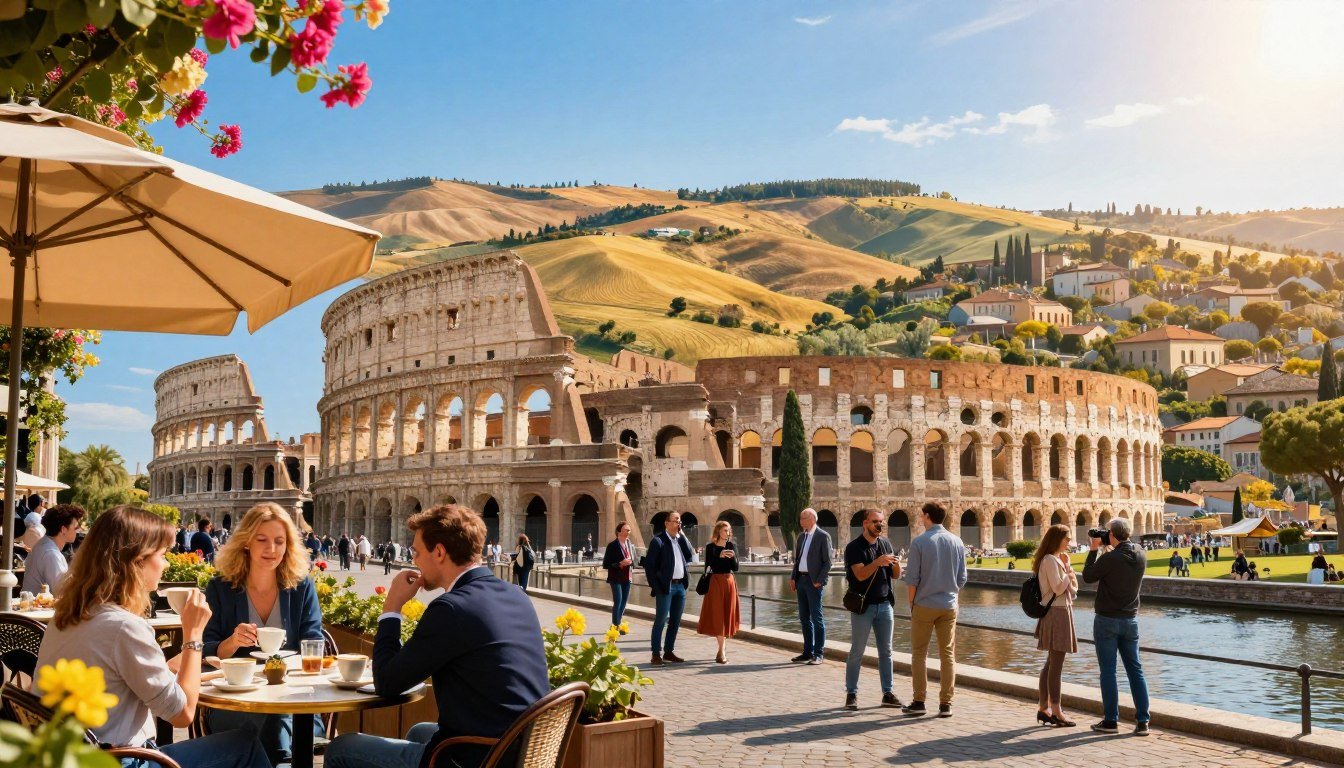
Europe’s Top Picks for First-Time Travelers: Embarking on your first European adventure can be both thrilling and overwhelming. With so many incredible destinations to explore, it’s hard to know where to start.
Discover the essence of Europe with our guide to the top destinations that will make your trip unforgettable. From iconic landmarks to hidden gems, we’ll cover the must-visit european travel guide recommendations.
Whether you’re looking for a european travel guide or tips on the best places to visit, we’ve got you covered. Our guide is designed to help you make the most of your trip.
Planning Your First European Adventure
Embarking on your first European adventure requires some planning to ensure a smooth and enjoyable journey. Understanding the best time to visit and how long to stay are crucial elements in making your trip memorable.
When to Visit Europe
The best time to visit Europe depends on your preferences and destinations. Generally, spring (April-May) and autumn (September-October) are considered ideal due to pleasant weather and fewer tourists. These seasons offer a great balance for europe sightseeing tips, allowing you to enjoy popular spots without the crowds.

How Long to Stay
For traveling to europe for the first time, a two-week trip is a good starting point. This duration allows you to explore a few countries without feeling rushed, giving you a taste of the diverse european vacation spots. It’s a good idea to focus on a specific region, such as Western Europe or the Mediterranean, to maximize your experience.
Best Places to Visit in Europe for First-Time Travelers
For those embarking on their inaugural European journey, the continent offers a myriad of unforgettable experiences. Europe is home to a diverse array of captivating cities, each with its unique charm and attractions.
Popular Multi-City Routes
Many first-time travelers opt for popular multi-city routes that allow them to experience the best of Europe in a short span. Routes like London-Paris-Amsterdam are particularly popular, offering a blend of history, culture, and entertainment.
| City | Must-see Attractions | Travel Time from Previous City |
|---|---|---|
| London | Buckingham Palace, British Museum | – |
| Paris | Eiffel Tower, Louvre Museum | 2.5 hours by train |
| Amsterdam | Van Gogh Museum, Anne Frank House | 3.5 hours by train |
Balancing Famous Sights and Hidden Gems
While it’s tempting to focus solely on famous landmarks, exploring hidden gems can enrich your travel experience. Consider visiting charming towns like Cinque Terre in Italy or the scenic villages of the Swiss Alps.

By balancing your itinerary with both iconic cities and lesser-known destinations, you’ll gain a more nuanced understanding of Europe’s diverse cultures and landscapes.
Paris, France: The City of Light
The allure of Paris, with its rich history and iconic landmarks, captivates first-time travelers to Europe. As a city that seamlessly blends tradition with modernity, Paris offers an unforgettable experience for visitors.
Must-See Attractions
Paris is home to some of Europe’s most renowned attractions. Visitors can marvel at the engineering feat of the Eiffel Tower and explore the vast collections of the Louvre Museum.
Eiffel Tower and Louvre Museum
The Eiffel Tower, an iconic symbol of Paris, offers breathtaking views of the city. The Louvre Museum, housed in a former royal palace, is home to the Mona Lisa and other artistic treasures.
Notre Dame and Montmartre
The historic Notre Dame Cathedral is a masterpiece of Gothic architecture, while Montmartre is known for its bohemian vibe, street artists, and stunning views from the top of the hill.
Local Experiences Beyond the Tourist Trail
Beyond the famous landmarks, Paris offers a wealth of local experiences. Visitors can stroll along the Seine River, explore the charming neighborhoods like Le Marais, or enjoy a coffee at a traditional café.
For a truly authentic experience, try a picnic in one of Paris’ beautiful parks or visit a local market to sample French cuisine.
Rome, Italy: The Eternal City
With its rich history and vibrant culture, Rome stands out as a top European vacation spot. First-time travelers to Europe often find Rome to be a captivating destination, filled with ancient ruins, architectural marvels, and a culinary scene that is hard to resist.
Ancient Wonders and Vatican Treasures
Rome is home to some of the world’s most renowned ancient wonders, including the Colosseum and the Roman Forum. The Vatican City, an independent city-state within Rome, is famous for its treasures such as the Sistine Chapel and St. Peter’s Basilica.
Authentic Italian Experiences
To truly experience Rome, one must immerse themselves in the local culture. This includes indulging in Italian cuisine and participating in the evening passegiata.
Food and Dining Etiquette
Italian dining is not just about the food; it’s an experience. Key etiquette includes ordering multiple courses and enjoying meals with locals.
Evening Passeggiata and Local Life
The evening passegiata is a cherished Italian tradition. It’s a time to stroll, socialize, and enjoy the city’s ambiance.
| Attraction | Description | Tips |
|---|---|---|
| Colosseum | Ancient amphitheater | Buy tickets in advance |
| Vatican Museums | Home to Sistine Chapel | Guided tours recommended |
| Roman Forum | Historical heart of Rome | Explore with a guide |
By embracing these experiences, travelers can gain a deeper understanding of Rome and its culture, making their trip a memorable one.
London, United Kingdom: A Blend of History and Modernity
London, the capital of the United Kingdom, is a city where ancient history and modern culture coexist in harmony, making it a fascinating destination for first-time European travelers. As one of the top european cities for beginners, London offers a plethora of experiences that cater to all interests.
London is home to numerous iconic landmarks and cultural institutions. Visitors can explore the city’s rich history by visiting famous sites such as Buckingham Palace and the Tower of London.
Royal Attractions and Museums
London’s royal attractions are a major draw for tourists. The British Museum is another must-visit, housing a vast collection of artifacts from around the world, including the Rosetta Stone and the Elgin Marbles.
- Buckingham Palace
- The British Museum
- The Tower of London
Neighborhoods Worth Exploring
Beyond its famous landmarks, London’s diverse neighborhoods offer a glimpse into the city’s vibrant lifestyle. From the trendy boutiques of Shoreditch to the historic significance of Westminster, each neighborhood has its unique character.
| Neighborhood | Key Features | Best For |
|---|---|---|
| Shoreditch | Trendy boutiques, street art | Young travelers, shopping enthusiasts |
| Westminster | Historic significance, Buckingham Palace | History buffs, those interested in royal culture |
| Camden | Alternative culture, vibrant markets | Those looking for alternative lifestyles, market shoppers |
By exploring these neighborhoods, visitors can gain a deeper understanding of London’s diverse cultural landscape, making it an invaluable part of any european travel guide.
Athens and Santorini, Greece: Ancient History Meets Island Paradise
Greece beckons first-time travelers with its rich history, vibrant culture, and stunning natural beauty, making it an ideal European destination. Visitors can explore the ancient ruins of Athens and relax in the picturesque landscapes of Santorini.
Historical Landmarks
Athens, the cradle of Western civilization, is home to the iconic Acropolis, a must-visit historical site. The Acropolis, perched on a hill, offers breathtaking views of the city and is a testament to Greece’s rich history. Other historical sites include the Ancient Agora and the National Archaeological Museum.
Island Getaways for Beginners
Santorini, with its whitewashed houses and blue-domed churches, is a perfect spot for those looking to experience the Greek island lifestyle. Visitors can enjoy the stunning sunsets, explore the narrow streets of Fira and Oia, and relax on the beautiful beaches.
| Destination | Main Attractions | Best Experiences |
|---|---|---|
| Athens | Acropolis, Ancient Agora | Exploring historical sites, enjoying traditional Greek cuisine |
| Santorini | Fira, Oia, Beautiful Beaches | Watching the sunset, wine tasting, relaxing on beaches |
Amsterdam, Netherlands: Canals and Culture
As one of Europe’s most charming cities, Amsterdam is a top pick for first-time travelers, offering a mix of historical landmarks and cultural experiences. The city’s unique character is defined by its picturesque canals, historic architecture, and vibrant cultural scene.
Amsterdam’s compact size and extensive cycling infrastructure make it easy to explore. Visitors can rent bikes and ride along the canals, visiting historic sites and local neighborhoods.
Cycling Through History
Cycling is a great way to experience Amsterdam. The city’s bike-friendly roads and scenic bike paths allow visitors to explore at their own pace. Key cycling routes include the canal ring, a UNESCO World Heritage Site, and the Jordaan neighborhood, known for its narrow streets and charming atmosphere.
Museums and Dutch Lifestyle
Amsterdam is home to world-class museums, including the Rijksmuseum and the Anne Frank House. The Rijksmuseum showcases Dutch art and history, featuring works by Rembrandt and Vermeer. The Anne Frank House provides a poignant look at the history of the Holocaust.
Beyond its museums, Amsterdam offers a glimpse into Dutch lifestyle through its local markets, cafes, and cultural events. Visitors can experience the city’s vibrant atmosphere by exploring its many neighborhoods, each with its unique character.
Prague and Budapest: Eastern European Gems
As you venture into Eastern Europe, Prague and Budapest emerge as two must-visit destinations that blend history, culture, and entertainment. These cities are perfect for first-time travelers looking to experience the rich heritage of Europe.
Prague’s Fairytale Cityscape
Prague, the capital of the Czech Republic, is renowned for its fairytale-like cityscape. The city’s historic architecture, including the iconic Charles Bridge and Prague Castle, offers a glimpse into its medieval past. Visitors can stroll through the cobblestone streets, taking in the city’s unique charm.
Key attractions include: the Astronomical Clock, Old Town Square, and the Jewish Quarter. These landmarks showcase the city’s rich history and cultural significance.
Budapest’s Thermal Baths and Ruin Bars
Budapest, the capital of Hungary, is famous for its thermal baths and vibrant nightlife. The Széchenyi Thermal Bath is one of the largest and most popular thermal baths in Europe, offering a relaxing experience for visitors. Additionally, Budapest’s ruin bars, such as Szimpla Kert, provide a unique nightlife experience amidst a backdrop of eclectic decor and lively atmosphere.
Notable experiences include: visiting the Buda Castle, exploring the Hungarian Parliament Building, and enjoying the city’s scenic Danube River views.
Transportation Tips for European Travel
Traveling through Europe can be a breeze if you know the ins and outs of its transportation systems. Europe’s transportation network is renowned for its efficiency and complexity, offering various options for travelers to move around. Understanding the best ways to travel can significantly enhance your European travel experience.
Rail Passes vs. Point-to-Point Tickets
When it comes to long-distance travel in Europe, one of the most significant decisions is whether to opt for a rail pass or point-to-point tickets. Rail passes offer flexibility and can be cost-effective for those planning to travel extensively within a short period. On the other hand, point-to-point tickets can be more economical if you’re traveling less frequently or over shorter distances. It’s essential to research and compare the costs based on your itinerary.
Navigating Public Transportation in Major Cities
Major European cities have well-developed public transportation systems, including metro lines, buses, and trams. Understanding how to navigate these systems is crucial for a smooth daily commute. Many cities offer public transportation cards that can be purchased for a day or week, providing unlimited travel within that period. It’s also a good idea to familiarize yourself with the local transportation maps and apps that can help you navigate the city efficiently.
Accommodation and Budgeting for First-Timers
When traveling to Europe for the first time, finding the right place to stay and managing your finances effectively are crucial. Europe offers a wide range of accommodations to suit every budget, from budget-friendly hostels to luxurious boutique hotels.
From Hostels to Boutique Hotels
For first-timers, hostels are a great way to meet fellow travelers while keeping costs low. They offer dormitory-style accommodations as well as private rooms. On the other end of the spectrum, boutique hotels provide a more luxurious experience, often with unique themes and personalized service. When choosing your accommodation, consider what’s important to you: cost, location, or amenities.
Money Matters: Currency, Cards, and Budgeting
Understanding the local currency and having a plan for managing your money is vital. While many places in Europe accept credit cards, having some local currency for cash transactions is advisable.
Using Credit Cards and ATMs
Credit cards are widely accepted in Europe, but inform your bank of your travel plans to avoid transaction issues. ATMs are readily available for withdrawing local currency.
Tipping Customs Across Europe
Tipping practices vary across Europe. In some countries, tipping is expected and generous, while in others, it’s minimal or included in the bill.
| Country | Tipping Custom |
|---|---|
| France | Service charge is included; additional tip is optional. |
| Italy | Tip for service is not mandatory but appreciated. |
| UK | Tipping is around 10-15% in restaurants if service charge isn’t included. |
Cultural Etiquette and Safety Tips
Embarking on your first European adventure requires not just a well-planned itinerary, but also knowledge of cultural norms and safety tips to navigate unfamiliar territories confidently.
Respecting Local Customs
Europe is a mosaic of cultures, each with its unique customs and traditions. To enrich your travel experience, it’s vital to respect local etiquette. For instance, in France, it’s customary to greet shopkeepers with a friendly “bonjour” or “bonsoir,” depending on the time of day. In Italy, mealtimes are sacred, and you should avoid eating on the go or making loud noises during meals.
- Dress modestly when visiting churches or cathedrals.
- Learn basic phrases in the local language, such as “thank you” and “excuse me.”
- Be mindful of local customs and traditions, especially during festivals or cultural events.
Staying Safe While Exploring
Safety is a top priority when traveling. Being aware of your surroundings and taking necessary precautions can significantly reduce risks. Here are some tips:
- Keep your valuables secure and consider using a money belt.
- Avoid walking alone in dimly lit or deserted areas at night.
Avoiding Tourist Scams
Tourist scams can be a nuisance. Be cautious of overly friendly strangers who approach you with unsolicited offers or distractions. Always verify the authenticity of ATMs and be wary of pickpocketing in crowded areas.
Emergency Information and Resources
Before you travel, make a note of local emergency numbers and the location of your country’s embassy. It’s also a good idea to register with your government’s travel advisory program to receive important safety and security updates.
Conclusion: Making the Most of Your First European Journey
As you conclude your first European journey, reflect on the incredible experiences and memories you’ve made. Europe has offered you a wealth of adventures, from historic landmarks to hidden gems. The best places to visit in Europe for first-time travelers have left a lasting impression, making your trip unforgettable.
With the insights and tips gained from this guide, you’re well-prepared to make the most of your future travels. Whether you’re planning to revisit European vacation spots or explore new destinations, the essence of traveling lies in the journey, not just the destination.
As you look back on your first European adventure, remember to cherish the moments, try new things, and immerse yourself in local cultures. This will ensure that your future travels are just as memorable and enriching.
FAQ
What are the best places to visit in Europe for first-time travelers?
Europe offers a diverse range of destinations for first-time travelers. Some top recommendations include Paris, Rome, London, Amsterdam, and Athens, which offer a mix of iconic landmarks, cultural experiences, and historical significance.
How long should I stay in Europe for my first trip?
A two-week trip is a good starting point, allowing you to explore a few countries without feeling rushed. This duration gives you enough time to experience the essence of Europe’s top destinations.
What is the best time to visit Europe?
The best time to visit Europe largely depends on your preferences and the destinations on your itinerary. Generally, spring (April-May) and autumn (September-October) are considered ideal due to the pleasant weather and fewer tourists.
How do I get around Europe?
Europe has a well-connected transportation network. You can travel by train, bus, or flight, depending on your itinerary. Consider purchasing a rail pass for long-distance travel, and familiarize yourself with public transportation systems in major cities.
What are some must-see attractions in Europe?
Europe is home to numerous iconic landmarks, including the Eiffel Tower, Colosseum, and Acropolis. Other must-see attractions include the Louvre Museum, Vatican City, and historic city centers like Rome’s Centro Storico.
How do I choose the right accommodation in Europe?
Europe offers a wide range of accommodation options, from budget-friendly hostels to luxurious boutique hotels. Consider your budget, location preferences, and the type of experience you’re looking for when choosing your accommodation.
What are some tips for staying safe while traveling in Europe?
To stay safe, be aware of your surroundings, keep an eye on your belongings, and avoid tourist scams. Familiarize yourself with local customs, emergency information, and resources, and stay informed about local conditions.
What are some essential items to pack for a European trip?
Essentials include comfortable clothing, a universal power adapter, a money belt, and a portable charger. Check the weather forecast before your trip and pack accordingly.
Can I use my credit cards and ATMs in Europe?
Yes, most European countries accept major credit cards, and ATMs are widely available. Inform your bank of your travel plans to avoid any issues, and be aware of foreign transaction fees.
What are some tipping customs in Europe?
Tipping customs vary across Europe. In general, rounding up the bill or leaving 5-10% is considered polite in most countries. Check local tipping customs to avoid any confusion.