
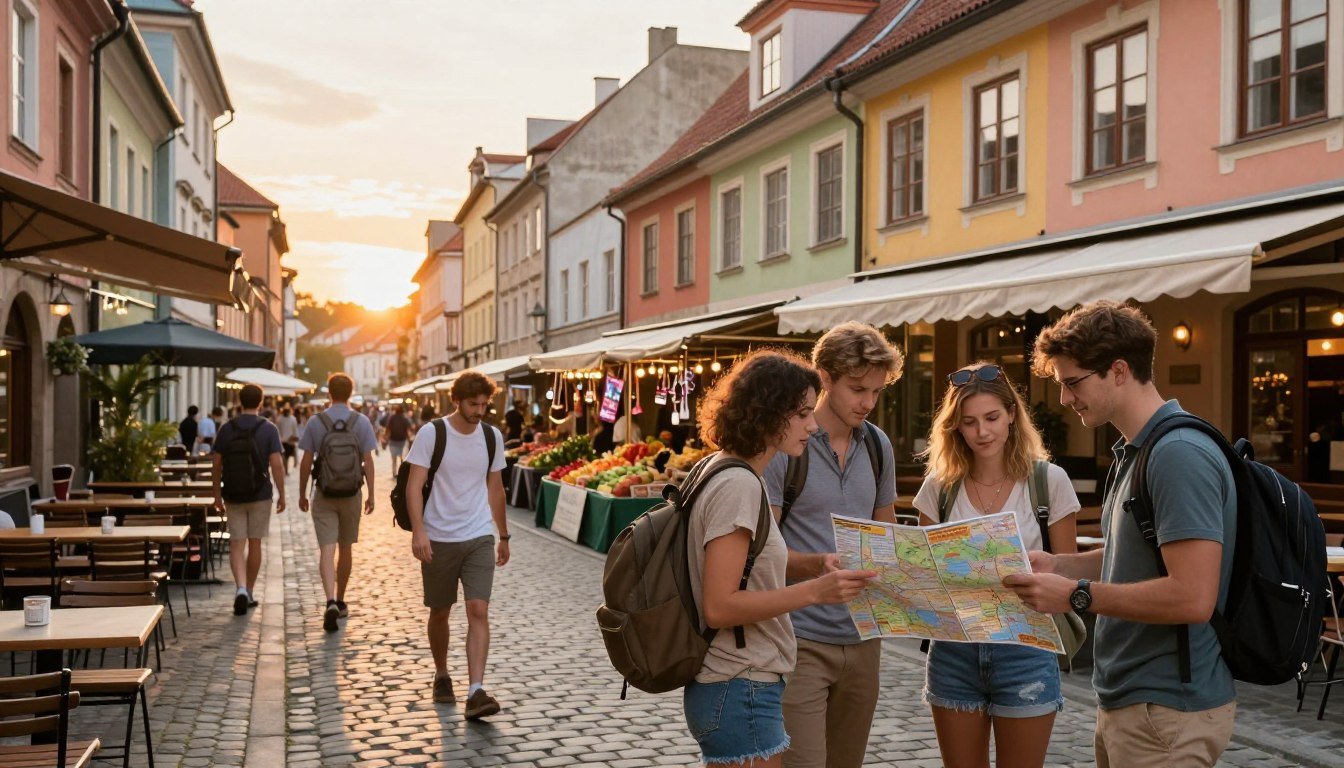
Did you know that Europe attracts over 700 million tourists every year, making it one of the most visited continents in the world? With so many destinations to choose from, planning a trip to Europe can be overwhelming, especially when on a tight budget.
Fortunately, with some expert planning and insider knowledge, you can have a fantastic European adventure without breaking the bank. Our comprehensive guide will share valuable strategies for maximizing your budget, from planning to execution, ensuring you make the most of your trip.
Whether you’re a seasoned budget traveler or just looking for cheap travel tips for europe, this guide is designed to help you navigate the complexities of affordable travel in Europe.
Planning Your Budget European Adventure
Embarking on a European adventure on a budget requires meticulous planning and a keen eye for cost-saving opportunities. With the right approach, you can enjoy all that Europe has to offer without breaking the bank.
When to Start Planning for Maximum Savings
Starting your planning early is crucial for maximizing savings. Booking flights, accommodations, and popular attractions well in advance can significantly reduce costs. Research indicates that booking at least 2-3 months in advance can lead to substantial savings.
Setting a Realistic Budget by Country and Region
Understanding the cost of living in different European countries and regions is vital for setting a realistic budget. For instance, Eastern Europe tends to be more affordable than Western Europe. Researching average daily expenses for your destinations can help you allocate your funds more effectively.
Creating a Flexible Spending Plan
A flexible spending plan allows you to adjust your budget as needed during your trip. This involves tracking your daily expenses and making adjustments to stay within your overall budget.
Daily Expense Tracking Methods
Utilizing a budgeting app or a simple spreadsheet can help you track your daily expenses. Regularly reviewing your spending can identify areas where you can cut back.
Emergency Fund Considerations
It’s also important to allocate a portion of your budget to an emergency fund. Unexpected expenses can arise, and having a financial cushion can provide peace of mind and prevent financial stress during your trip.

Best Times to Visit Europe on a Budget
The key to a low-cost European vacation lies in understanding the best times to visit. Europe’s tourist season can be divided into peak, shoulder, and off-peak periods, each with its advantages.
Shoulder Season Benefits
The shoulder season, which includes April-May and September-October, offers pleasant weather and fewer tourists. This period is ideal for visiting popular destinations without the high prices.
Off-Peak Travel Advantages
Traveling during the off-peak season (November-March) can yield significant savings, especially in destinations that are less crowded during the winter months.
Destination-Specific Timing for Bargains
Different regions have different best times to visit. For instance, the Mediterranean coast is more affordable during the off-season, while Northern Europe can be visited during the summer sales.
Mediterranean Coast Off-Season Deals
The Mediterranean coast is cheaper during the off-season, with prices dropping significantly for accommodations and tourist attractions.
| Destination | Best Time to Visit | Average Savings |
|---|---|---|
| Mediterranean Coast | Off-season (Nov-Mar) | 30-50% |
| Northern Europe | Summer Sales (Jun-Aug) | 20-40% |

Cheap Travel Tips for Europe: Transportation Strategies
Navigating Europe’s diverse landscapes and cities can be done cheaply with the right travel tips. Transportation costs can quickly add up, but there are several strategies to keep expenses in check.
Budget Airlines and Avoiding Hidden Fees
Budget airlines offer affordable fares, but beware of hidden fees for checked bags, food, and seat selection. Always check the total cost before booking.
- Compare prices across multiple airlines
- Consider alternative airports
- Book in advance for the best deals
Rail Passes vs. Individual Tickets: Country-by-Country Analysis
Rail travel is a convenient way to see Europe. Rail passes can be cost-effective for extensive travel, but individual tickets might be better for shorter journeys.
| Country | Rail Pass | Individual Tickets |
|---|---|---|
| France | €200 for 3 days | €60 per trip |
| Germany | €250 for 4 days | €80 per trip |
City Transportation Passes and Day Tickets
City transportation passes offer significant savings for urban exploration. Day tickets or travel cards can be used for buses, trams, and metros.
Ridesharing, Bike Rentals, and Walking Routes
Consider ridesharing services for longer trips or bike rentals for a more leisurely pace. Walking is also a great way to explore cities while saving money.
Finding Affordable Accommodation Across Europe
Budget-conscious travelers can explore various affordable accommodation options in Europe. From budget hotels to unique work-exchange opportunities, there’s something for every traveler’s needs.
Hostels, Guesthouses, and Budget Hotels
For those on a tight budget, hostels, guesthouses, and budget hotels are excellent choices. They offer a range of options from dorm rooms to private rooms, catering to different traveler preferences.
Dorm Rooms vs. Private Rooms Economics
Dorm rooms are the most economical option, ideal for solo travelers or those looking to meet fellow travelers. Private rooms, while more expensive, offer greater privacy and comfort.
Booking Platforms and Loyalty Programs
Utilizing booking platforms like Booking.com or Hostelworld can help travelers find the best deals. Many of these platforms also offer loyalty programs that reward frequent bookings.
Apartment Rentals and Vacation Homes
For longer stays or group travel, apartment rentals and vacation homes can be more cost-effective. Websites like Airbnb offer a wide range of options across Europe.
Free and Work-Exchange Accommodation Options
For the adventurous, free and work-exchange accommodation options are available. This can include housesitting or volunteering for room and board.
Housesitting Opportunities
Platforms like TrustedHousesitters connect homeowners with trustworthy sitters. In exchange for taking care of a home, sitters can stay for free.
Volunteering for Room and Board
Organizations like Workaway offer opportunities to volunteer in exchange for accommodation and sometimes meals. This is a great way to immerse in local cultures while saving money.
By exploring these affordable accommodation options, travelers can significantly reduce their expenses, making their European adventure more budget-friendly.
Eating Well Without Breaking the Bank
Savoring Europe’s culinary delights doesn’t have to drain your wallet. With some insider knowledge, you can enjoy the local cuisine without overspending.
Self-Catering and Grocery Shopping by Country
One of the most cost-effective ways to eat well in Europe is by self-catering. Shopping at local markets or grocery stores allows you to experience the authentic flavors of the region at a fraction of the cost of dining out. For instance, in countries like Spain and Italy, you can find fresh produce, bread, and cheese at affordable prices.
- Visit local markets to sample regional specialties.
- Opt for supermarkets that offer a wide range of local products.
Finding Authentic, Affordable Local Restaurants
When dining out, look for authentic, affordable local restaurants that offer Menu del Día or fixed-price options. These menus are not only budget-friendly but also give you a taste of the local cuisine.
Menu del Día and Fixed Price Options
Many European countries offer a Menu del Día, a multi-course meal at a fixed price. This is a great way to enjoy local dishes without breaking the bank.
Lunch vs. Dinner Economics
Eating lunch instead of dinner can also save you money, as lunch menus are often cheaper.
Street Food Markets and Food Halls
Street food markets and food halls are another excellent option for affordable and delicious meals. They offer a variety of local dishes in a lively atmosphere.
- Try popular street foods like tapas in Spain or currywurst in Germany.
- Visit food halls for a range of options under one roof.
Water and Beverage Money-Saving Strategies
Don’t forget to save on beverages by opting for tap water, which is safe to drink in most European countries. You can also look for affordable local drinks, such as sangria in Spain or spritz in Italy.
Budget-Friendly Sightseeing and Attractions
Europe is home to countless historical landmarks and cultural attractions, many of which can be visited at little to no cost. This makes it possible for travelers to experience the rich cultural heritage of the continent without overspending.
Free Museum Days and No-Cost Attractions
Many European museums offer free admission on certain days of the week or month. For example, the Louvre in Paris is free on the first Saturday of every month from 6 pm to 9:45 pm. Researching these opportunities can significantly reduce costs.
City Cards and Tourist Passes: Cost-Benefit Analysis
City cards and tourist passes can provide substantial savings for frequent visitors to attractions. These passes often include public transportation, making them a convenient option. A comparison of popular city cards is shown below:
| City | Card Name | Cost | Benefits |
|---|---|---|---|
| Paris | Paris Museum Pass | $62 (2-day) | Access to 60+ attractions |
| London | London Pass | $75 (6-day) | Includes public transport, attraction discounts |
| Rome | Omnium Card | $28 (2-day) | Free entry to attractions, public transport |
Free Walking Tours and Self-Guided Adventures
Free walking tours are an excellent way to explore a city while learning about its history and culture. Many cities offer these tours, led by knowledgeable guides. Additionally, self-guided adventures using mobile apps can provide a flexible and cost-effective way to discover hidden gems.
Discount Strategies: Student, Youth, and Senior Options
Various discounts are available for students, youth, and seniors. For instance, many attractions offer reduced rates for these groups upon presentation of a valid ID.
Digital ISIC Card Benefits
The International Student Identity Card (ISIC) is recognized worldwide and offers discounts on attractions, transportation, and more. The digital version is easily accessible on mobile devices.
Group Discounts and Family Tickets
Traveling in groups or with family? Many attractions offer discounted rates for groups or family tickets, which can lead to significant savings.
By utilizing these budget-friendly strategies, travelers can enjoy a rich and fulfilling experience in Europe without breaking the bank. Whether it’s through free museum days, city passes, or guided tours, there are numerous ways to save money while exploring the continent’s many attractions.
Money-Saving Tech Tools for European Travel
With the right apps and websites, you can significantly reduce your expenses while traveling through Europe. Technology has made budget travel europe more accessible than ever.
Essential Budget Travel Apps and Websites
Several apps and websites are designed to help you save on flights and accommodations. Flight and Accommodation Deal Alerts can notify you of price drops, while Last-Minute Booking Platforms offer spontaneous savings.
Flight and Accommodation Deal Alerts
Services like Skyscanner and Google Flights provide deal alerts to help you snag cheap flights.
Last-Minute Booking Platforms
Lastminute.com and similar sites offer discounts on unsold rooms and flights.
Transportation and Navigation Money-Savers
Apps like Citymapper and Rome2rio help you navigate European cities cost-effectively.
Banking, Currency, and Payment Solutions
To minimize transaction costs, consider No-Fee ATM Cards and Digital Payment Options.
No-Fee ATM Cards
Cards like Revolut offer fee-free ATM withdrawals abroad.
Digital Payment Options
Apple Pay and Google Pay are widely accepted and offer a convenient, secure payment method.
Regional Budget Travel Guide: Where to Save the Most
Europe offers a diverse range of travel experiences, with some regions being more budget-friendly than others. Understanding these regional differences can significantly impact your travel costs.
Eastern European Budget Destinations
Eastern Europe is renowned for its affordability, with cities like Prague, Budapest, and Krakow offering a rich cultural experience at a lower cost.
Prague, Budapest, and Krakow Value Analysis
These cities are known for their historical landmarks, cultural festivals, and vibrant nightlife, all at an affordable price. For instance, a meal in Prague can cost as little as $5, while a night out in Budapest might be around $10.
Balkan Countries Cost Breakdown
Countries like Bulgaria, Romania, and Albania offer some of the best value for money in Eastern Europe. Accommodation, food, and activities are generally cheaper here compared to Western Europe.
Southern Europe on a Shoestring
Southern Europe, including Portugal, Spain, and Greece, can also be traveled on a budget, especially during the off-season.
Portugal vs. Spain Budget Comparison
Both Portugal and Spain offer affordable travel options, but Portugal tends to be slightly cheaper, especially in terms of accommodation and food.
Greek Islands Off-Season Bargains
Visiting the Greek Islands off-season can result in significant savings on accommodation and tourist activities, making it an attractive option for budget travelers.
Western European Cities for Budget Travelers
While Western Europe is generally more expensive, there are still budget-friendly options. Cities like Amsterdam and Brussels offer affordable accommodation and dining.
Northern Europe Without Breaking the Bank
Northern Europe, including countries like Sweden and Denmark, can be expensive, but with some planning, it’s possible to find budget-friendly options, such as free museums and affordable accommodation.
By choosing the right regions and being mindful of your spending, you can have a fulfilling European adventure without breaking the bank.
Cultural Experiences on a Budget
Experience the rich cultural heritage of Europe without breaking the bank. Europe is a treasure trove of cultural experiences, from vibrant festivals to historical landmarks, and you don’t have to spend a fortune to enjoy them.
Free Festivals and Local Celebrations by Season
Europe is known for its festivals and celebrations, many of which are free to attend. Depending on the season, you can experience cultural events like the Tomatina festival in Spain or the Carnival of Venice in Italy. Researching local events before your trip can help you plan your itinerary around these exciting happenings.
University Towns and Student-Friendly Activities
Visiting university towns is a great way to experience local culture at a lower cost. Many universities offer free or discounted access to museums and cultural events for students, and sometimes for visitors too. Places like Oxford, Cambridge, and Heidelberg are not only steeped in history but also offer a lively cultural scene.
Authentic Cultural Immersion Without High Costs
For a truly authentic experience, consider participating in language exchange meetups or community events. These not only help you connect with locals but also provide a deeper understanding of the culture.
Language Exchange Meetups
Language exchange meetups are a fantastic way to meet locals while improving your language skills. Many cities have groups that organize regular meetups, often in casual settings like cafes.
Community Events and Local Gatherings
Community events, such as local markets or village fairs, offer a glimpse into the daily lives of Europeans. Participating in these events can be a rewarding way to experience the culture firsthand.
Common Budget-Busting Mistakes to Avoid
A trip to Europe doesn’t have to break the bank, provided you’re aware of the common mistakes that can inflate costs. When planning your European adventure, it’s essential to be mindful of several key areas where expenses can quickly add up.
Tourist Traps and Overpriced Attractions
One of the most significant budget-busting mistakes is falling prey to tourist traps and overpriced attractions. These often overcrowded and overpriced spots can quickly drain your travel budget. Instead, consider visiting local landmarks and less touristy areas that offer a more authentic experience at a lower cost. For instance, exploring local markets or taking a stroll through historic neighborhoods can be both cost-effective and enriching.
Hidden Fees and Unexpected Expenses
Hidden fees and unexpected expenses are another pitfall for travelers. Being aware of these can save you a significant amount of money.
Tourist Taxes and City Fees
Many European cities impose tourist taxes or city fees, which can add up quickly if you’re not prepared. Researching these fees ahead of time and factoring them into your budget can help avoid surprises.
Transportation Surcharges
Transportation costs, including surcharges for luggage or peak-hour travel, can also inflate your expenses. Understanding the transportation options and their associated costs can help you make more budget-friendly choices.
Currency Exchange Pitfalls
When traveling, be mindful of currency exchange rates and fees associated with exchanging money. Using ATMs or credit cards with no foreign transaction fees can help minimize these costs.
Over-Planning vs. Under-Planning Your Itinerary
Finally, striking the right balance between planning and flexibility is crucial. Over-planning can lead to unnecessary expenses and stress, while under-planning might result in missed opportunities. A balanced itinerary allows you to make the most of your trip while keeping costs in check.
By being aware of these common budget-busting mistakes, you can enjoy a more affordable and fulfilling trip to Europe. With a little planning and insider knowledge, you can make the most of your travel budget.
Sustainable Budget Travel Practices
As you plan your European adventure on a budget, consider how your travel choices can also support sustainable practices. This approach not only benefits the environment but can also enhance your travel experience.
Eco-Friendly Budget Transportation Options
Opting for eco-friendly transportation is a great way to reduce your carbon footprint. Buses and trains are not only budget-friendly but also more environmentally friendly than flights or rental cars. Consider using rail passes for extensive travel across Europe.
Supporting Local Economies While Saving Money
Supporting local economies can be achieved by choosing family-run accommodations, dining at local eateries, and shopping at local markets. This not only saves money but also provides a more authentic travel experience.
Reducing Waste and Environmental Impact
Reducing waste is crucial for sustainable travel. Using reusable items such as water bottles, shopping bags, and travel utensils can significantly minimize your environmental impact.
Reusable Items That Save Money
Investing in reusable items like cloth napkins, refillable containers, and metal straws can save you money in the long run and reduce waste.
Sustainable Accommodation Choices
When choosing accommodations, look for eco-friendly hotels, hostels, or Airbnb options that have sustainable practices in place, such as energy-efficient lighting and recycling programs.
| Sustainable Practice | Budget Benefit | Environmental Impact |
|---|---|---|
| Using Public Transport | Saves money on rental cars and fuel | Reduces carbon emissions |
| Reusable Water Bottles | Cuts down on bottled water expenses | Minimizes plastic waste |
| Eco-Friendly Accommodations | Often cheaper than luxury hotels | Supports sustainable tourism |
Conclusion: Making Your European Adventure Affordable
Traveling in Europe on a budget requires some planning, flexibility, and insider knowledge. By applying the tips and strategies outlined in this guide, you can enjoy a rich and fulfilling European adventure without breaking the bank.
From affordable accommodations and transportation to cultural experiences and sustainable practices, every aspect of your trip can be optimized for savings. With these tips for european travel on a budget, you can explore Europe’s hidden gems and popular destinations alike, all while keeping your expenses in check.
Whether you’re looking for a low-cost european vacation or simply want to make the most of your travel budget, the key is to be flexible, stay informed, and take advantage of the many affordable options available. So pack your bags, grab your passport, and get ready to experience the adventure of a lifetime without overspending.