
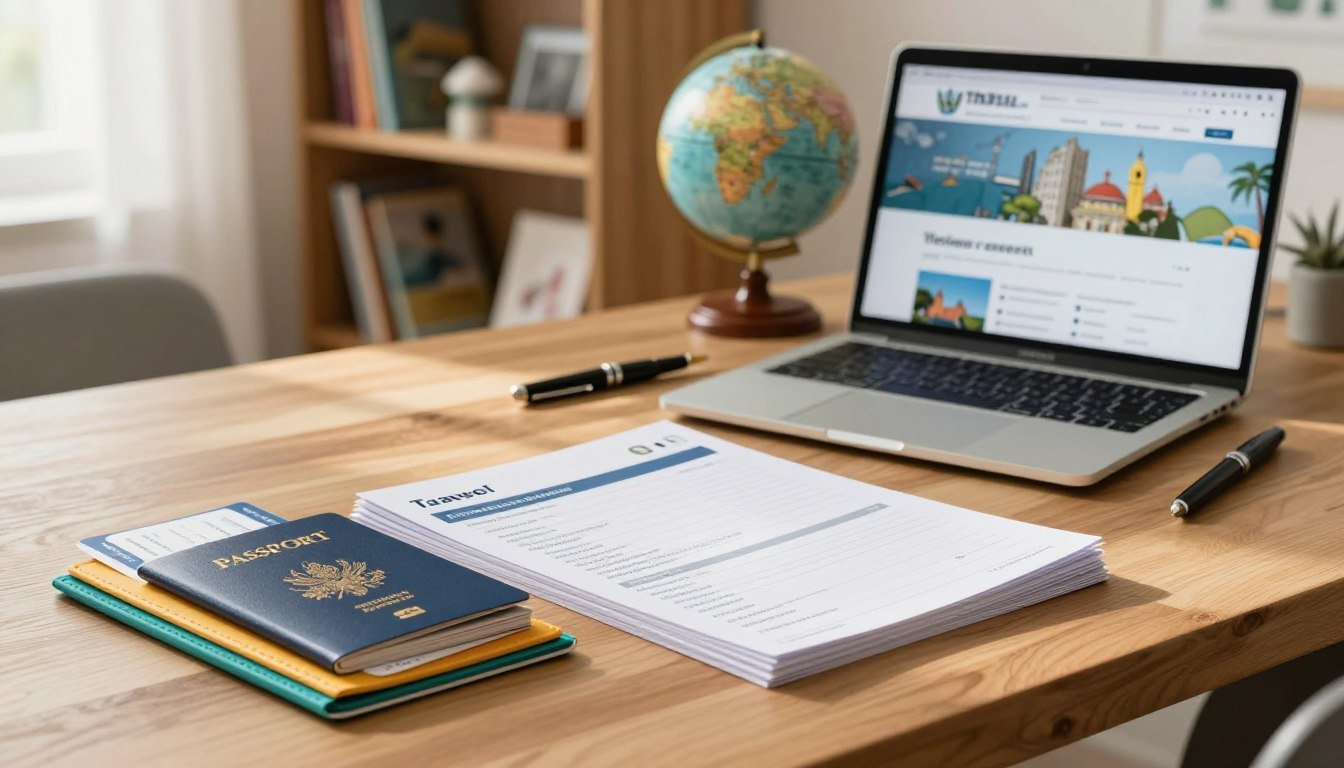
Organize Travel Documents Like a Pro: Are you tired of scrambling to find your passport or boarding pass at the last minute? Efficient travel document organization can make a significant difference in your travel experience, reducing stress and making your journey more enjoyable.
By organizing your travel documents, you can ensure that you have everything you need at your fingertips. This includes your passport, visa, travel insurance, and boarding passes. A well-organized travel document system helps you stay on top of your travel plans, avoid costly mistakes, and enjoy a smoother journey.
In this article, we’ll explore the best ways to organize your travel documents, making your next trip a breeze.
The Importance of Organized Travel Documents
Efficient travel document management is key to enjoying a smooth and hassle-free trip. When your documents are in order, you can focus on the excitement of your journey rather than dealing with last-minute scrambles or unexpected complications.
Common Problems Caused by Disorganized Documents
Disorganized travel documents can lead to a range of issues that can significantly impact your travel experience.
Delayed Check-ins and Boarding
One of the most immediate consequences of disorganization is delayed check-ins and boarding. Missing or misplaced documents can cause you to miss your flight or hotel check-in, setting a stressful tone for your trip.
Visa and Entry Complications
Disorganization can also lead to visa and entry complications. Forgetting to obtain necessary visas or not having the correct documentation can result in being denied entry to your destination, wasting time and money.
Benefits of a Streamlined Document System
On the other hand, a well-organized document system offers numerous benefits, enhancing your overall travel experience.
Stress Reduction and Peace of Mind
Having all your documents in order provides peace of mind, allowing you to enjoy your trip without the constant worry of potential document-related issues.
Time Savings Throughout Your Journey
A streamlined system also saves you time throughout your journey. With everything readily accessible, you can quickly navigate through airports, hotels, and other travel checkpoints, making the most of your time.

By understanding the importance of organized travel documents, you can take the first step towards a more enjoyable and stress-free travel experience.
Essential Travel Documents You Need to Organize
Effective travel document organization is key to a stress-free travel experience. When you’re preparing for a trip, having all your necessary documents in order can make a significant difference in your overall travel experience.

Primary Documents: Passport, Visa, ID
Your primary travel documents are the foundation of your travel preparations. These include your passport, visa (if required), and identification.
Validity Requirements and Restrictions
It’s crucial to check the validity of your passport and ensure it meets the requirements of your destination country. Some countries require your passport to be valid for at least six months beyond your planned departure date. Additionally, verify if you need a visa and understand its restrictions and validity period.
Multiple Identification Options
Carrying multiple forms of identification is a good practice. Besides your passport, consider carrying a driver’s license or state ID. This can be helpful in various situations during your trip.
Secondary Documents: Tickets, Itineraries, Reservations
Secondary documents are equally important for a smooth travel experience. These include your flight tickets, travel itineraries, hotel reservations, and any other booking confirmations.
Transportation Documentation
Ensure you have all your transportation documents in order, including flight tickets, train tickets, or any other mode of transport you’ve booked. Having a printed or digital copy of your itinerary can be helpful.
Accommodation Confirmations
Keep your hotel or accommodation reservation confirmations handy. These documents often contain important details such as check-in times, cancellation policies, and contact information.
Financial Documents: Credit Cards, Currency, Insurance
Financial preparations are a critical aspect of travel planning. This includes having the right credit cards, local currency for your destination, and travel insurance.
Travel Insurance Policies
Consider investing in travel insurance that covers unexpected medical emergencies, trip cancellations, or lost luggage. Understand the terms and conditions of your policy.
Emergency Fund Management
It’s wise to have an emergency fund for your trip. This can be in the form of cash, credit cards, or debit cards. Ensure you have a mix that allows you to access funds easily when needed.
How to Organize Travel Documents the Smart Way
Effective travel document organization is the foundation of a smooth and enjoyable trip. By implementing a few smart strategies, you can ensure that your travel documents are well-organized, easily accessible, and secure.
Creating a Comprehensive Document Checklist
The first step in organizing your travel documents is to create a comprehensive checklist. This involves considering both the destination and duration of your trip.
Destination-Specific Requirements
Different countries have varying document requirements. For instance, some may require a visa, while others may need specific vaccinations documented. Researching the requirements for your destination is crucial.
Duration-Based Document Needs
The length of your trip also affects the documents you need. Longer trips may require more financial documentation, such as proof of sufficient funds or travel insurance that covers the entire duration.
Categorizing Documents by Priority and Access Frequency
Not all documents are equally important or frequently accessed. Categorizing them based on priority and how often you need to access them can streamline your travel preparation.
Must-Have vs. Nice-to-Have Documents
Identify essential documents like your passport, visa (if required), and travel insurance. These are must-haves. Nice-to-have documents might include hotel reservations or a detailed itinerary.
Accessibility Planning
Consider how easily you can access your documents when needed. For instance, having digital copies of important documents can be a lifesaver if the physical ones are lost or stolen.
Implementing a Foolproof Filing System
A well-organized filing system is key to maintaining your travel documents. You can choose between chronological and categorical organization methods.
Chronological vs. Categorical Organization
Chronological organization follows the timeline of your trip, while categorical organization groups similar documents together (e.g., all financial documents). Choose the method that works best for you.
Quick-Access Design Principles
Ensure that your filing system allows for quick access to important documents. This might involve using labeled folders or a travel document organizer with separate sections.
By following these best practices for travel document organization, you can streamline your travel document handling and enjoy a more relaxed, prepared journey.
Physical Organization Tools and Methods
Travelers can significantly simplify their journey by utilizing appropriate physical organization methods for their documents. Having the right tools not only reduces stress but also ensures that important documents are easily accessible when needed.
Travel Document Organizers and Wallets
A good travel document organizer or wallet is essential for keeping documents in order. These tools are designed to hold various documents such as passports, visas, tickets, and travel insurance.
RFID-Protected Options
For added security, consider RFID-protected wallets that can block unauthorized scans of your documents, protecting against identity theft.
Multi-Compartment Designs
Organizers with multiple compartments help in categorizing documents, making it easier to find what you need quickly. Look for designs that have separate sections for different types of documents.
Folder Systems and Color Coding
Using a folder system with color coding can enhance visual organization. This method is particularly useful for distinguishing between different types of documents or travel itineraries.
Daily Document Sorting
Sort your documents daily or according to your travel itinerary. This practice ensures that you have the necessary documents ready for each part of your journey.
Visual Organization Techniques
Employing visual organization techniques, such as using different colored tabs or labels, can make your documents more accessible. This method is especially helpful for family travel or complex itineraries.
Waterproof and Secure Storage Options
For travelers, especially those venturing into rugged terrains or unpredictable weather conditions, waterproof and secure storage is crucial.
Anti-Theft Features
Storage options with anti-theft features, such as slash-proof straps or lockable zippers, provide an additional layer of security against theft.
Weather-Resistant Solutions
Weather-resistant document holders can protect your documents from rain, dust, or other environmental factors. Look for materials that are both durable and water-resistant.
By incorporating these physical organization tools and methods, travelers can ensure their documents are well-organized, secure, and easily accessible, making their travel experience smoother and more enjoyable.
Digital Solutions for Travel Document Management
The advent of digital solutions has revolutionized the way we organize and manage travel documents. With the plethora of digital tools available, travelers can now efficiently manage their documents, ensuring a smoother travel experience.
Travel Organization Apps
Travel organization apps have become indispensable for modern travelers. These apps offer a range of features that simplify document management.
All-in-One Travel Planners
Apps like TripIt and Google Trips serve as all-in-one travel planners, allowing users to store and manage their travel documents in one place. They can consolidate boarding passes, hotel reservations, and car rentals, making it easier to access necessary documents during travel.
Specialized Document Scanners
Specialized document scanners such as CamScanner enable travelers to digitize their paper documents, reducing clutter and ensuring that important documents are safely stored. These apps often come with features like OCR (Optical Character Recognition) to make the digitized documents searchable.
Cloud Storage for Document Backups
Cloud storage services provide a secure way to backup travel documents. By storing documents in the cloud, travelers can ensure they are accessible from anywhere.
Secure Syncing Across Devices
Services like Dropbox and Google Drive offer secure syncing across devices, allowing travelers to access their documents from their smartphone, tablet, or laptop, ensuring that they always have the most up-to-date versions.
Offline Access Options
Many cloud storage services also provide offline access options, enabling travelers to view and edit their documents even without an internet connection, which is particularly useful in areas with poor connectivity.
Digital Document Security Best Practices
While leveraging digital solutions, it’s crucial to follow best practices for digital document security.
Encryption and Password Protection
Using encryption and password protection can significantly enhance the security of digital documents. Travelers should ensure that their devices and cloud storage services are protected with strong passwords and, where possible, two-factor authentication.
Safe Public Wi-Fi Usage
When accessing travel documents on public Wi-Fi, travelers should be cautious. Using a VPN (Virtual Private Network) can help secure the connection, protecting sensitive information from potential cyber threats.
Pre-Trip Document Preparation Timeline
A well-planned pre-trip document preparation timeline is essential for a stress-free travel experience. By organizing your travel documents according to a structured schedule, you can avoid last-minute hassles and ensure that you’re well-prepared for your journey.
3 Months Before: Document Validity Check
Three months prior to your trip, it’s crucial to check the validity of your essential travel documents. This includes verifying the expiration dates of your passport and visa, if required.
Passport and Visa Renewal Planning
Ensure that your passport is valid for at least six months beyond your planned departure date. If your visa is required, check its validity and renewal requirements. Apply for renewals or new visas as necessary to avoid any travel disruptions.
Vaccination Record Updates
Check your vaccination records to ensure you have all the necessary vaccinations for your destination. Update your records as needed, and obtain any required booster shots.
1 Month Before: Gathering and Organizing
One month before your trip, start gathering and organizing your travel documents. This includes making both physical and digital copies of your essential documents.
Creating Physical and Digital Copies
Make photocopies of your passport, visa, ID, and travel insurance documents. Store these copies in a secure, easily accessible location. Additionally, create digital copies and store them in a password-protected cloud storage service.
Sharing Access with Trusted Contacts
Share access to your digital copies with trusted contacts, such as family members or friends, in case of an emergency. Ensure that you comply with data protection regulations when sharing sensitive information.
1 Week Before: Final Document Review
One week before your trip, conduct a final review of all your travel documents to ensure everything is in order.
Last-Minute Requirement Changes
Check for any last-minute changes to travel requirements, such as new visa regulations or health measures. Adjust your documents accordingly to avoid any issues during your trip.
Day-by-Day Document Planning
Organize your documents according to your daily travel itinerary. Ensure you have all necessary documents for each leg of your journey, including hotel reservations, flight tickets, and travel insurance information.
Special Considerations for Different Types of Travel
The type of travel you’re embarking on significantly influences how you should organize your travel documents. Different journeys have unique requirements, and being prepared is key to a smooth trip.
International vs. Domestic Travel
When traveling internationally, the complexity of document organization increases. Ensuring you have the right documents is crucial.
Country-Specific Entry Requirements
Research the entry requirements for your destination country. Some countries require visas, while others may demand specific vaccinations or travel insurance. Make a checklist of these requirements to ensure you’re fully prepared.
Customs Declaration Preparation
Understand what needs to be declared when crossing international borders. Familiarize yourself with restricted or prohibited items to avoid complications.
Business Travel Document Organization
Business travel has its own set of document organization challenges, particularly in adhering to company policies and managing expenses.
Corporate Travel Policy Compliance
Familiarize yourself with your company’s travel policy, including approved destinations, travel classes, and accommodation standards. Keep your documents in order to comply with these policies.
Expense Tracking Systems
Use digital tools or apps to track your expenses during business trips. This simplifies the reimbursement process and helps in budgeting for future trips.
Family Travel Document Management
Traveling with family adds another layer of complexity to document organization, especially when it involves children.
Organizing Documents for Children
Ensure you have all necessary documents for children, including passports, birth certificates, and any required visas or health records. Keep these documents easily accessible.
Special Permissions and Authorizations
If you’re traveling with children without both parents, you may need to carry special permissions or authorizations. Check with your airline and destination country’s requirements.
By tailoring your document organization strategy to the type of travel, you can ensure a more enjoyable and stress-free journey. Implementing best practices for travel document organization and learning to organize travel papers effectively are crucial steps in this process.
Emergency Preparedness for Document Issues
Emergency preparedness is key to handling travel document issues efficiently. When traveling, it’s essential to be proactive about managing your documents to avoid last-minute hassles.
Creating Document Backup Plans
Having a backup plan for your travel documents can be a lifesaver. This involves creating both digital and physical redundancy.
Digital and Physical Redundancy
Make digital copies of your important documents, such as your passport, visa, and travel insurance. Store these copies securely in cloud storage services. Additionally, keep physical copies in a separate, secure location from your original documents.
Distributed Storage Strategies
Distribute your digital and physical copies across different locations. For instance, leave a copy with a trusted friend or family member back home and carry another copy with you, separate from the originals.
What to Do If Documents Are Lost or Stolen
Losing important documents can be stressful, but knowing the immediate steps to take can mitigate the issue.
Immediate Response Steps
If your documents are lost or stolen, report the incident to the local authorities immediately and obtain a police report. This is often required for insurance claims and to obtain replacement documents.
Embassy and Consulate Services
Contact your country’s embassy or consulate for assistance in replacing lost or stolen documents. They can provide guidance on the necessary procedures and documents required for replacements.
Emergency Contacts and Resources
Having the right contacts and resources can make a significant difference in handling document-related emergencies.
Local Authority Information
Keep a list of local contacts, including the police department and your country’s embassy or consulate. This information can be crucial in case of an emergency.
Insurance Claim Procedures
Understand the procedures for filing insurance claims if your documents are lost or stolen. Keep the necessary contact information and documentation handy.
| Document Type | Backup Method | Emergency Contact |
|---|---|---|
| Passport | Digital copy in cloud storage | Embassy/Consulate |
| Travel Insurance | Physical copy in separate location | Insurance Provider |
| Visa | Digital copy, encrypted | Embassy/Consulate |
By being prepared and having a plan in place, you can streamline travel document handling and ensure efficient travel document management, making your travel experience smoother and less stressful.
Conclusion: Travel with Confidence Through Smart Document Organization
Organizing your travel documents is crucial for a stress-free and enjoyable trip. By implementing the strategies outlined in this article, you can ensure that your documents are in order, making your travel experience smoother and more enjoyable. Learning how to organize travel documents the smart way can save you time and reduce stress.
Effective travel document organization involves creating a comprehensive checklist, categorizing documents by priority, and utilizing both physical and digital storage solutions. By doing so, you can easily access your documents when needed and avoid last-minute hassles. Whether you’re traveling domestically or internationally, having your documents in order is essential.
By adopting these practices, you can travel with confidence, knowing that your documents are organized and easily accessible. This allows you to focus on enjoying your trip, rather than worrying about your paperwork. With smart travel document organization, you can make the most of your travel experience.
FAQ
What is the best way to organize my travel documents?
To efficiently organize your travel documents, consider creating a comprehensive checklist, categorizing documents by priority and access frequency, and implementing a filing system that is either chronological or categorical. You can also use travel document organizers, wallets, and digital solutions like travel organization apps and cloud storage.
How can I ensure my travel documents are secure?
To keep your travel documents secure, use RFID-protected wallets, waterproof and anti-theft storage options, and digital security measures like encryption and password protection. It’s also a good idea to make digital and physical copies of your documents and store them in separate locations.
What are the essential travel documents I need to organize?
Essential travel documents include primary documents like passports and visas, secondary documents such as tickets and itineraries, and financial documents like credit cards and travel insurance. The specific documents required may vary depending on your destination, duration of stay, and type of travel.
How far in advance should I start preparing my travel documents?
It’s recommended to start preparing your travel documents at least 3 months in advance to check the validity of your passport and visa, update your vaccination records, and gather other necessary documents. Continue to organize and review your documents 1 month and 1 week before your trip to ensure everything is in order.
What should I do if I lose my travel documents?
If you lose your travel documents, immediately report the incident to the local authorities and contact your embassy or consulate for assistance. Having digital and physical copies of your documents can help facilitate the replacement process. You should also notify your bank and credit card companies to prevent any unauthorized transactions.
How can I efficiently manage travel documents for family travel?
For family travel, organize documents for each family member, including children, and ensure you have any necessary special permissions or authorizations. Consider using a family travel document organizer or a digital solution that can store and manage documents for all family members.
Are there any specific document requirements for business travel?
For business travel, you may need to comply with corporate travel policies, carry specific documents like a business visa, and keep track of expenses using an expense tracking system. Ensure you have all necessary documents, including receipts and invoices, to facilitate reimbursement.