
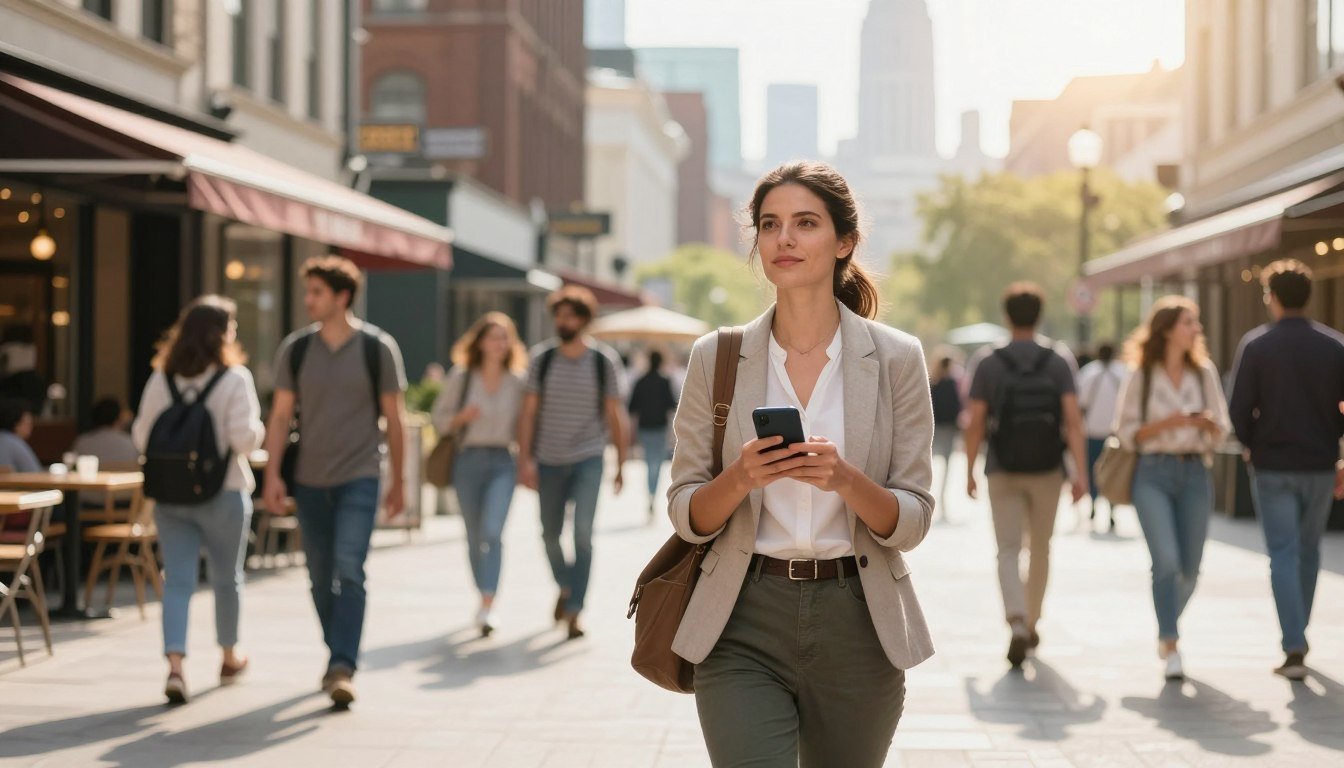
Did you know that over 30% of Americans have taken a solo trip at some point, with many more considering it? While exploring new destinations alone can be incredibly liberating, it also requires a heightened sense of awareness and caution.
As a seasoned solo traveler, being mindful of your surroundings is crucial. This involves understanding local customs, being aware of potential scams, and knowing how to stay safe in unfamiliar environments.
With the right guidance, you can navigate the world with confidence. Our valuable safety tips will help you make the most of your journey, ensuring a memorable and enjoyable experience.
The Unique Challenges of Solo Travel
Solo travel, while exhilarating, presents a unique set of challenges that require careful consideration and preparation. When traveling alone, individuals are more vulnerable to various risks, making it essential to understand these challenges to ensure a safe and enjoyable trip.
Understanding Vulnerability Points
One of the primary concerns for solo travelers is understanding their vulnerability points. This includes being aware of one’s surroundings, recognizing potential threats, and knowing how to respond to emergencies. By acknowledging these vulnerability points, solo travelers can take proactive steps to mitigate risks and stay safe.
The Psychology of Traveling Alone
Traveling alone can also have psychological implications. Solo travelers may experience feelings of loneliness, anxiety, or uncertainty, which can impact their overall travel experience. It’s crucial to address these psychological aspects to maintain a positive and confident mindset while traveling solo.
Maintaining Confidence
Maintaining confidence is vital when traveling alone. This can be achieved by being prepared, staying informed, and trusting one’s instincts. By projecting confidence, solo travelers can deter potential threats and navigate unfamiliar environments more effectively.
Managing Anxiety
Managing anxiety is another critical aspect of solo travel. Techniques such as deep breathing, staying connected with loved ones, and engaging in relaxing activities can help alleviate anxiety. By managing anxiety, solo travelers can enjoy a more peaceful and fulfilling travel experience.

Pre-Trip Research and Planning
Effective pre-trip research and planning are the foundation of a successful solo travel experience. By understanding your destination and preparing accordingly, you can significantly enhance your safety and enjoyment.
Destination Safety Analysis
Analyzing your destination’s safety profile is a critical step in pre-trip planning. This involves consulting various sources to get a comprehensive view of the local safety situation.
Government Travel Advisories
Start by checking the latest government travel advisories for your destination. These advisories often provide detailed information on safety concerns, health risks, and other important travel considerations. For instance, the U.S. Department of State issues travel advisories that categorize countries based on their safety level.
Local Crime Statistics
Understanding local crime statistics can also help you prepare. Look for information on common crimes such as pickpocketing, scams, or violent crimes in your destination. This knowledge can help you take appropriate precautions. Staying informed is a key aspect of safe solo travel practices.
Cultural Norms and Local Laws
Familiarizing yourself with local cultural norms and laws is crucial to avoid unintended offense or legal issues. Research the local customs, dress codes, and any specific laws that might affect travelers. For example, some countries have strict laws regarding dress code or public behavior.
Creating a Detailed Itinerary
Creating a detailed itinerary can help you stay organized and ensure a smooth journey. Include your travel plans, accommodation details, and any pre-booked activities. Sharing your itinerary with a trusted friend or family member back home can also enhance your safety. This way, someone is always aware of your whereabouts.

Essential Travel Safety Tips for Solo Travelers
As a solo traveler, staying safe is paramount, and there are several key strategies to ensure a secure and enjoyable journey. Solo travelers must be aware of their surroundings and take proactive measures to minimize risks.
Maintaining Situational Awareness
Staying alert and aware of your environment is crucial. This includes being mindful of local customs, understanding the layout of your accommodation, and keeping an eye on your belongings. Situational awareness can help you avoid potentially dangerous situations.
Projecting Confidence
Walking with purpose and confidence can deter potential threats. Avoid displaying signs of vulnerability, such as using a map or looking lost in public. Projecting self-assurance can make you less of a target for scams or harassment.
Blending In with Locals
Blending in with the local culture can enhance your travel experience and reduce the likelihood of being targeted. This involves understanding and respecting local norms.
Dress Code Considerations
Dressing modestly and in accordance with local customs can help you avoid unwanted attention. Research the dress code for your destination and pack accordingly.
Behavior Adaptation
Adapting your behavior to local customs is equally important. This might include learning a few key phrases in the local language, understanding dining etiquette, and being respectful of cultural practices.
By maintaining situational awareness, projecting confidence, and blending in with locals, solo travelers can significantly enhance their safety while traveling. These strategies, combined with an understanding of local customs and laws, can help ensure a smooth and enjoyable journey.
Communication Strategies for Solo Safety
Solo travelers can significantly enhance their safety by adopting robust communication strategies. Effective communication is key to staying connected with family and friends back home, as well as being able to navigate unfamiliar territories.
Staying Connected with Home
It’s essential for solo travelers to keep their loved ones informed about their itinerary and any changes to their plans. Regular check-ins can provide peace of mind for both parties.
Check-in Protocols with Trusted Contacts
Establishing a check-in protocol with trusted contacts is a vital tip for safe solo adventures. This can include regular phone calls, emails, or using a GPS tracking device.
| Check-in Method | Frequency | Benefits |
|---|---|---|
| Phone Calls | Daily | Personal touch, immediate response |
| Emails | Every other day | Provides a paper trail, less intrusive |
| GPS Tracking | Continuous | Real-time location sharing, enhanced safety |
Language Barriers and Safety
Overcoming language barriers is crucial for solo travelers. Learning essential phrases in the local language can go a long way in ensuring safety and enhancing the travel experience.
Essential Phrases to Know
Knowing basic phrases like “Where is…?”, “I need help,” and “I’m lost” can be incredibly helpful.
Translation Tools
Utilizing translation apps and carrying a phrasebook can also aid in communication. These solo travel security measures can help mitigate risks associated with language barriers.
Smart Packing for Solo Security
Packing smart is crucial for solo travelers to maintain their safety and security abroad. A well-prepared traveler can navigate unexpected situations more effectively.
Essential Safety Gear
When it comes to solo travel, certain items can significantly enhance your security. These include:
Door Stops and Portable Alarms
A door stop or a portable alarm can provide an additional layer of security in your accommodation. These devices are compact, easy to use, and can deter potential intruders.
First Aid Supplies
First aid kits are essential for any traveler. They should include basic medical supplies, such as bandages, antiseptic wipes, and any personal medications.
Document Management
Efficient document management is vital for solo travelers. This includes:
- Making digital copies of important documents (e.g., passport, ID, travel insurance)
- Leaving a copy with a trusted contact back home
- Carrying a physical copy in a secure location
Packing Light Without Compromising Safety
While it’s essential to pack safety gear, it’s equally important to travel light. Here’s a simple guide to help you balance:
| Item | Importance | Packing Tip |
|---|---|---|
| Portable Alarm | High | Pack in carry-on |
| First Aid Kit | High | Compact version |
| Money Belt | High | Wear under clothing |
| Travel Lock | Medium | Use on luggage |
By packing smart and staying informed, solo travelers can significantly enhance their safety and enjoy a more secure journey.
Accommodation Safety Protocols
For solo adventurers, vetting lodging options is a critical step in maintaining safety during travel. Choosing the right place to stay can significantly impact your overall travel experience and personal security.
Vetting Lodging Options
When selecting accommodation, it’s essential to read reviews critically and consider the location carefully. Look for hotels or hostels with good reputations and high ratings from other solo travelers. Utilize review platforms and travel forums to gather as much information as possible about potential lodging options.
Reading Reviews Critically
Pay attention to the content of reviews, focusing on comments about safety, cleanliness, and customer service. Be wary of fake reviews by looking for red flags such as overly positive language or multiple reviews posted in a short timeframe.
Location Considerations
The location of your accommodation can greatly affect your safety. Opt for areas that are well-lit, populated, and close to public transportation. Avoid isolated or high-crime neighborhoods, even if the accommodation is cheaper.
Room Security Practices
Once you’ve chosen your accommodation, ensure your room is secure. Always lock your door, use the hotel safe for valuables, and be aware of emergency exits. Consider using a portable door lock for extra security.
Social Dynamics in Shared Accommodations
In shared accommodations like hostels, be mindful of your surroundings and keep your belongings secure. Be cautious when sharing personal information with fellow travelers, and avoid leaving your luggage unattended.
Transportation Security Measures
For solo travelers, navigating transportation systems securely is a top priority. Ensuring safety while using various modes of transport can significantly reduce risks associated with traveling alone.
Public Transit Navigation
When using public transit, it’s essential to be aware of your surroundings and keep an eye on your belongings. Stay informed about the transit schedule and plan your route in advance.
- Research the transit system before your trip
- Keep your valuables close and secure
- Avoid traveling alone in isolated areas at night
Rideshare and Taxi Precautions
When using rideshare or taxi services, verify the driver’s identity before getting in the vehicle. Always check that the license plate and driver details match the information provided by the service.
- Use reputable services with good ratings
- Share your trip details with a trusted contact
- Sit in the back seat and avoid engaging in conversations that make you uncomfortable
Road Safety for Solo Drivers
For those driving alone, road safety is paramount. Ensure your vehicle is in good condition before embarking on your journey.
Navigation Tools
Use a reliable GPS navigation system to avoid getting lost. Keep a physical map as a backup in case of device failure.
Vehicle Security
Always lock your doors and keep windows closed. Avoid stopping in isolated areas, and keep your fuel tank sufficiently filled.
By following these transportation security measures, solo travelers can minimize risks and enjoy a safer journey.
Digital Security While Traveling Solo
In today’s interconnected world, solo travelers face distinct challenges in maintaining their digital security. As they navigate through unfamiliar territories, relying heavily on technology for navigation, communication, and documentation, the risk of digital breaches increases.
Protecting Your Devices
Solo travelers must prioritize device security. This includes using strong passwords, enabling two-factor authentication, and keeping devices and software up-to-date. Consider using a portable VPN and encrypting sensitive data.
Safe Wi-Fi Practices
Public Wi-Fi networks pose significant risks. Solo travelers should avoid accessing sensitive information over public Wi-Fi or use a VPN to encrypt their connection. It’s also wise to limit sensitive activities to secure networks.
Social Media Safety
Being mindful of social media activity is crucial. Consider implementing delayed posting to avoid real-time updates that could indicate your location. Review location sharing settings to ensure you’re not inadvertently sharing your itinerary.
Delayed Posting
Delaying posts can help maintain your privacy and security by not broadcasting your real-time location.
Location Sharing Settings
Regularly review and adjust your location sharing settings on social media platforms to minimize risks.
By implementing these digital security measures, solo travelers can significantly reduce their risk exposure and enjoy a safer, more secure journey.
Financial Safety Strategies
Financial preparedness is vital for solo travelers, helping them navigate unfamiliar territories with confidence. Effective financial management involves several key strategies that can significantly enhance travel safety.
Money Distribution Techniques
Distributing money across different locations is a prudent strategy. Solo travelers should consider using a combination of cash, credit cards, and debit cards. It’s advisable to keep some cash in a secure, separate location as an emergency fund.
ATM and Payment Security
When using ATMs, solo travelers should opt for machines located in well-lit, secure areas. It’s also crucial to cover the keypad when entering PINs and to be aware of surroundings.
Emergency Fund Management
Managing an emergency fund is critical. This involves maintaining:
- Cash Reserves: Keeping some local currency for immediate needs.
- Digital Payment Backups: Ensuring that credit or debit cards are backed up with sufficient funds.
By implementing these financial safety strategies, solo travelers can minimize financial risks and enjoy a more secure journey.
Solo Dining and Nightlife Navigation
Dining and enjoying nightlife alone can be fun if you follow some simple safety tips. Solo travelers can minimize risks by being aware of their surroundings and making informed choices.
Restaurant Selection and Seating
When dining solo, choose restaurants that are well-lit and busy. Opt for seating at the bar or near other diners to avoid being isolated. Be mindful of your belongings and keep an eye on your drinks.
Alcohol Consumption Guidelines
Drinking responsibly is crucial when traveling alone. Limit your alcohol intake to maintain your awareness and judgment. Avoid leaving your drink unattended.
Nighttime Activity Planning
Plan your nighttime activities in advance, considering both entertainment and safety. Research safe routes and transportation options beforehand.
Safe Routes
Stick to well-lit, populated areas and avoid shortcuts through isolated zones. Use reputable transportation services.
Time Management
Be aware of the time and plan your return to your accommodation before it gets too late. Keep your hotel’s contact information handy.
| Safety Tips | Description |
|---|---|
| Restaurant Choice | Opt for busy, well-lit places |
| Alcohol Consumption | Drink responsibly and keep an eye on your drink |
| Nighttime Planning | Research safe routes and transport |
Gender-Specific Solo Travel Considerations
As solo travel continues to gain popularity, it’s crucial to address the specific safety considerations that solo travelers of different genders may encounter. Solo female travelers, male solo travelers, and LGBTQ+ individuals each face unique challenges that require tailored strategies for a safe and enjoyable journey.
Female Solo Traveler Strategies
Female solo travelers can benefit from being aware of their surroundings, especially in conservative or unfamiliar environments. Dressing modestly and avoiding isolated areas can significantly enhance safety. Additionally, staying connected with family and friends back home through regular check-ins can provide an added layer of security.
Male Solo Traveler Precautions
Male solo travelers should be cautious of potential scams or aggressive behaviors in certain regions. Being aware of local customs and avoiding confrontations can help mitigate risks. It’s also advisable to keep valuables secure and be mindful of surroundings, particularly in crowded areas or tourist hotspots.
LGBTQ+ Safety Considerations
LGBTQ+ travelers face unique challenges, particularly in regions with conservative attitudes towards sexual orientation and gender identity. Researching local laws and attitudes before traveling is crucial.
Researching Local Attitudes
Understanding the local culture and legal framework regarding LGBTQ+ individuals can help travelers prepare for their journey and avoid potentially dangerous situations.
Community Resources
Connecting with local LGBTQ+ communities and organizations can provide valuable insights and support. Many cities have resources and groups that cater specifically to LGBTQ+ travelers, offering a safe and welcoming environment.
| Traveler Type | Safety Considerations | Recommended Actions |
|---|---|---|
| Female Solo Travelers | Awareness of surroundings, dressing modestly | Regular check-ins with family/friends, avoid isolated areas |
| Male Solo Travelers | Avoiding scams, being cautious in crowded areas | Keep valuables secure, be aware of local customs |
| LGBTQ+ Travelers | Understanding local laws and attitudes | Research local LGBTQ+ communities, connect with local resources |
Conclusion: Embracing Solo Travel with Confidence
Embracing solo travel with confidence requires a combination of preparation, awareness, and the right mindset. By following the travel safety tips outlined in this article, independent travelers can minimize risks and maximize their enjoyment.
Effective planning, situational awareness, and smart decision-making are key to safe solo adventures. Whether you’re exploring new destinations or immersing yourself in different cultures, being informed and prepared is crucial.
By incorporating these travel safety tips for independent travelers into your solo journey, you’ll be well-equipped to navigate unfamiliar environments and make the most of your experience. With the right tips for safe solo adventures, you can confidently explore the world, creating unforgettable memories along the way.