
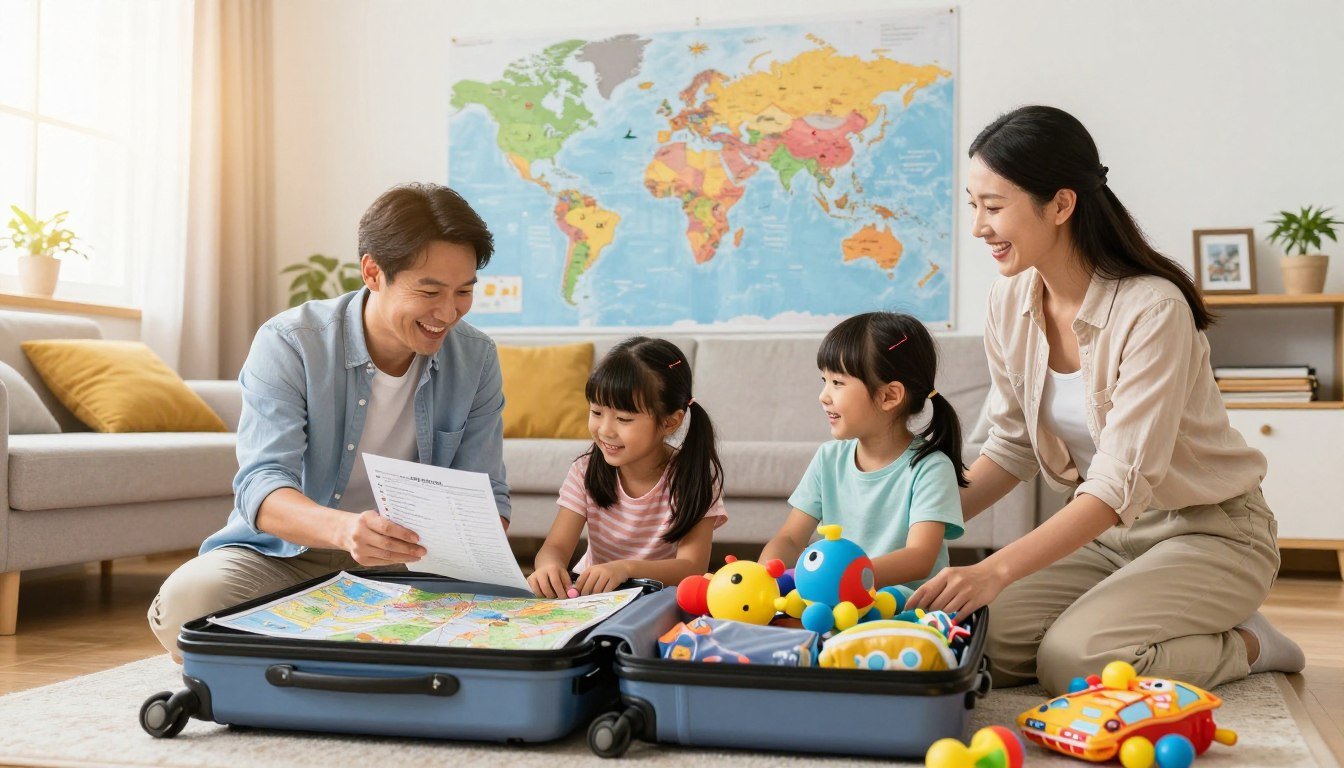
Travel Hacks for Families with Young Children: Planning a family vacation can be a daunting task, especially when you have young children to consider. However, with the right strategies, you can create a fun and stress-free experience for everyone involved.
Being prepared is key to a successful trip. From packing the essentials to keeping your little ones entertained during long journeys, there are numerous travel tips that can make a significant difference.
By following some simple and effective hacks, families can enjoy a more relaxed and enjoyable vacation. In this article, we’ll explore some valuable tips to help you navigate the challenges of traveling with young children.
Smart Pre-Trip Planning: Setting the Foundation for Family Travel Success
Effective family travel begins long before the journey starts, with smart pre-trip planning being the key to a successful and stress-free vacation. Planning ahead allows families to anticipate and mitigate potential issues, ensuring a more enjoyable experience for everyone.

Timing is Everything: Choosing the Right Season and Travel Days
Choosing the right time to travel is crucial. Consider the season and weather at your destination, as well as your children’s school and nap schedules. Traveling during off-peak seasons can reduce stress and make for a more relaxed journey. Additionally, flying on off-peak days, such as Tuesdays and Wednesdays, can result in fewer crowds and potentially cheaper flights.
Researching Child-Friendly Destinations and Activities
Research is key to a successful family trip. Look for destinations that offer child-friendly activities and amenities. Websites, travel blogs, and forums can provide valuable insights into places that cater well to families. Some top child-friendly activities include:
- Visiting theme parks and water parks
- Exploring museums with interactive exhibits
- Enjoying outdoor activities like hiking or picnicking
Creating a Flexible Itinerary That Accommodates Young Children
A flexible itinerary is essential when traveling with young children. While it’s good to have a plan, it’s equally important to leave room for spontaneity and changes due to unforeseen circumstances. Consider building in buffer times and child-friendly breaks to avoid overwhelm.
Travel Documents and Insurance Considerations for Families
Ensure that all necessary travel documents are in order, including passports, visas (if required), and health insurance cards. Consider purchasing travel insurance that covers unexpected medical or travel-related issues. This can provide peace of mind and financial protection.
Essential Travel Tips for Families With Young Children
The key to successful family travel lies in preparation and understanding the needs of your young children. Traveling with kids can be a rewarding experience, creating lifelong memories for the whole family. However, it requires careful planning and a flexible attitude to ensure a smooth journey.
Setting Realistic Expectations for Travel with Kids
When traveling with young children, it’s crucial to set realistic expectations. Understand that things might not go as planned, and that’s okay. Children have limited attention spans and may get tired or cranky during long journeys. Planning for regular breaks and being flexible with your itinerary can make a significant difference.
Age-Specific Considerations: Babies vs. Toddlers vs. Preschoolers
Different ages come with different needs. For instance, babies require more frequent feeding and changing, while toddlers need constant supervision and may have tantrums. Preschoolers, on the other hand, can be more independent but still need guidance. Understanding these age-specific needs can help you prepare better.
| Age Group | Specific Needs | Tips for Travel |
|---|---|---|
| Babies (0-2 years) | Frequent feeding, diaper changes | Pack extra diapers, formula, and baby food |
| Toddlers (2-3 years) | Constant supervision, tantrums | Bring favorite toys, snacks, and plan for breaks |
| Preschoolers (4-5 years) | Independence, curiosity | Encourage exploration, bring educational materials |
Involving Children in the Planning Process
Involving your children in the travel planning process can build their excitement and anticipation. Let them help choose activities or destinations, which can make them feel more invested in the trip.

Preparing Children Mentally and Emotionally for the Trip
Preparing your children mentally and emotionally for the trip is just as important as packing the right gear. Explain what to expect during travel, such as security checks at airports or long car rides, to reduce anxiety and make the experience smoother.
By following these essential travel tips, families with young children can enjoy a more stress-free and enjoyable journey. Remember, the goal is to create happy memories, not to stick to a perfect plan.
Packing Strategies: The Art of Bringing Just Enough
Effective packing is the backbone of a smooth and enjoyable family travel experience. When traveling with young children, it’s essential to strike the right balance between being prepared and overpacking.
The Ultimate Family Packing Checklist by Age Group
Creating a packing checklist tailored to your child’s age group is a great way to ensure you don’t forget essential items. For infants, this includes diapers, formula, and baby food. Toddlers require entertainment items like toys and coloring books, while preschoolers might need comfort items like a favorite blanket or stuffed animal.
- For infants: diapers, formula, baby food, and onesies.
- For toddlers: entertainment items, extra clothes, and snacks.
- For preschoolers: comfort items, educational materials, and favorite toys.
Space-Saving Techniques and Multi-Purpose Items
To save space in your luggage, consider using multi-purpose items that can serve more than one function. For example, a sarong can be used as a blanket, towel, or dress. Packing cubes can also help organize your luggage and compress clothing to make the most of your suitcase space.
Essential Items You Shouldn’t Travel Without
Certain items are crucial for a successful family trip. These include a first-aid kit, essential medications, and a change of clothes in case of unexpected spills or accidents. Don’t forget to pack chargers for your devices and a portable power bank to keep them charged on the go.
Smart Luggage Organization for Easy Access
Organizing your luggage effectively can make a big difference in reducing travel stress. Use packing cubes or small bags to categorize items like clothing, toiletries, and electronics. This way, you can quickly find what you need without having to rummage through your entire suitcase.
Navigating Transportation: Stress-Free Travel by Air, Road, and Rail
Whether you’re flying, driving, or taking the train, traveling with kids requires careful planning and preparation. The key to a stress-free journey is understanding the unique challenges of each mode of transportation and being equipped with the right strategies to tackle them.
Flying With Young Children: From Booking to Landing
Flying with young children can be daunting, but with the right approach, it can be a manageable experience. From booking to landing, there are several factors to consider to ensure a smooth flight.
Airport Security and Boarding Strategies
To navigate airport security efficiently, consider wearing easy-to-remove shoes, avoiding bulky clothing, and preparing your electronics for screening. Boarding strategies include taking advantage of early boarding for families or using the pre-boarding option for passengers with disabilities.
In-Flight Comfort and Entertainment
In-flight comfort can be enhanced by choosing suitable seating, dressing in layers, and bringing a travel pillow. Entertainment options include tablets loaded with children’s content, coloring books, and travel-friendly games.
Dealing with Ear Pressure and Other Air Travel Challenges
Ear pressure is a common issue during flights. To alleviate this, encourage children to swallow or yawn during takeoff and landing. Other challenges like turbulence can be mitigated by explaining the concept to children and keeping them occupied.
Road Trip Survival Guide for Families
Road trips offer a unique adventure for families, allowing for flexibility and exploration along the way. However, they require careful planning to ensure a enjoyable journey for all.
Car Safety and Comfort Essentials
Ensuring car safety involves using appropriate car seats, booster seats, or seat belts. Comfort can be enhanced with travel pillows, blankets, and snacks.
Planning Stops and Breaks Effectively
Regular stops for rest, food, and stretching are crucial. Plan these breaks around children’s needs, such as meal times or diaper changes.
Keeping Kids Entertained on Long Drives
Entertainment on road trips can include audiobooks, music, travel games, and portable DVD players. Encourage kids to look out the window and enjoy the scenery.
Train and Public Transportation Tips With Little Ones
Traveling by train or public transportation with young children can be convenient and enjoyable. Here are some tips to make the most of it.
When using trains or public transportation, consider the timing of your trip to avoid peak hours if possible. Packing light and being prepared to move quickly can make a big difference. Bringing familiar comfort items and entertainment can help keep children calm during the journey.
Accommodation Hacks for Family-Friendly Stays
Selecting the ideal family-friendly accommodation is a critical step in planning a memorable and enjoyable family vacation. The right accommodations can provide a comfortable and convenient base for your family’s adventures, helping to ensure a stress-free and enjoyable trip.
Choosing Between Hotels, Vacation Rentals, and Family Resorts
When it comes to family-friendly accommodations, there are several options to consider, including hotels, vacation rentals, and family resorts. Each has its own advantages and disadvantages.
| Accommodation Type | Advantages | Disadvantages |
|---|---|---|
| Hotels | Convenient services, amenities like pools and restaurants | Limited space, less homey atmosphere |
| Vacation Rentals | More space, kitchen facilities, homey atmosphere | Variable quality, may require more planning |
| Family Resorts | Tailored activities for families, comprehensive services | Can be more expensive, less flexibility in dining options |
Creating a Home Away From Home: Room Setup Tips
To make your accommodation feel more like home, consider setting up the room with a few essentials. Bringing along familiar items like favorite toys or a portable crib can help children settle in more easily.
Tips for a comfortable stay:
- Bring a portable crib or playpen for younger children
- Use a baby monitor if available
- Unpack and organize your belongings to create a sense of routine
Safety-Proofing Your Temporary Living Space
Safety-proofing your accommodation is just as important as safety-proofing your home. Take a few minutes to survey the space for potential hazards and take steps to mitigate them.
Safety measures to consider:
- Secure any heavy furniture or appliances
- Check for any sharp edges or points
- Ensure that electrical outlets are covered
Negotiating Special Requests and Amenities for Families
Don’t hesitate to ask your accommodation provider about special requests or amenities that can make your stay more comfortable. Many hotels and resorts are happy to accommodate families’ needs.
Maintaining Routines While Embracing New Experiences
Keeping family routines consistent during travel can make the experience more enjoyable for everyone. When traveling with young children, it’s essential to strike a balance between maintaining familiar routines and embracing new experiences. This balance helps in reducing stress and making the trip more enjoyable for the whole family.
Balancing Familiar Schedules With Travel Adventures
To maintain a sense of normalcy, try to stick to your regular schedule as much as possible. This includes meal times, nap times, and bedtime routines. However, be flexible and open to adjusting your schedule to accommodate travel adventures and unexpected delays.
- Plan ahead: Research your destination and plan activities around your child’s schedule.
- Be spontaneous: Sometimes, it’s okay to deviate from the plan and enjoy unplanned moments.
Managing Meals, Snacks, and Hydration on the Go
Managing meals and snacks while traveling can be challenging, but with some planning, you can keep your young travelers satisfied and hydrated.
- Pack snacks: Bring a variety of healthy snacks to keep hunger at bay.
- Stay hydrated: Encourage your children to drink plenty of water throughout the day.
- Choose kid-friendly restaurants: Opt for restaurants that have a children’s menu and are welcoming to families.
Sleep Strategies for Young Travelers
Ensuring that your young travelers get enough sleep is crucial for a successful trip. Maintaining a consistent bedtime routine can help signal to your children that it’s time to sleep.
- Bring familiar items: Bringing a favorite toy or blanket can provide comfort in a new environment.
- Stick to bedtime routines: Try to maintain your regular bedtime routine as much as possible.
Bathroom Breaks and Diaper Changes While Exploring
When exploring new places, it’s essential to be prepared for bathroom breaks and diaper changes.
- Know the location of restrooms: Familiarize yourself with the location of restrooms at your destination.
- Be prepared: Carry a diaper bag or backpack with essentials like diapers, wipes, and a change of clothes.
Entertainment and Activities: Keeping Kids Engaged Throughout the Journey
With a little planning, you can turn travel time into an exciting adventure for your kids. Keeping children engaged during travel is essential for a stress-free and enjoyable journey for the whole family.
Screen-Free Entertainment Ideas for Various Ages
Engaging your kids in screen-free activities can be both fun and beneficial. For younger children, simple games like “I Spy” or “Peek-a-boo” can be entertaining. Older kids might enjoy travel-sized board games, puzzles, or even creating their own travel journal.
Some other ideas include:
- Audiobooks or podcasts designed for children
- Travel-friendly art supplies like coloring books and crayons
- Interactive travel games that encourage participation
Travel Games and Activities That Pack Light
When it comes to traveling, packing light is essential. Opt for games and activities that are compact and won’t weigh you down. Examples include:
- Deck of cards
- Travel-sized board games
- Portable puzzles
These items can provide hours of entertainment without taking up too much space in your luggage.
Educational Opportunities During Family Travel
Traveling offers a wealth of educational opportunities for children. Visiting historical sites, museums, and national parks can be both fun and informative. You can also use travel as a chance to teach your kids about different cultures, geography, and history.
Some tips for making travel educational include:
- Researching your destination beforehand
- Encouraging your kids to ask questions
- Using travel guides and educational apps
Balancing Adult and Child-Focused Activities
While it’s essential to keep your kids entertained, it’s also important to ensure that adults have activities they enjoy. Look for destinations that offer a mix of child-friendly and adult-oriented activities. This could include visiting local landmarks, trying new restaurants, or enjoying outdoor activities.
By striking a balance, you can ensure that everyone in the family has a great time.
Handling the Unexpected: From Tantrums to Medical Issues
Traveling with kids means being prepared for the unexpected, from tantrums to medical emergencies. Even with the best planning, surprises can occur, and being equipped to handle them is crucial for a stress-free family vacation.
Creating a Travel First Aid and Emergency Kit
A well-stocked first aid kit is essential for any family travel. It should include band-aids, antiseptic wipes, pain relievers, and any medications specific to your child’s needs. Consider a portable kit that can be easily accessed during travel. Don’t forget to pack a small supply of essentials like acetaminophen or ibuprofen, antihistamines for allergic reactions, and antibacterial ointment.
| Item | Purpose | Quantity |
|---|---|---|
| Band-aids | Wound care | 10-15 |
| Antiseptic wipes | Cleaning wounds | 20-25 |
| Acetaminophen/Ibuprofen | Pain relief | As directed |
Managing Meltdowns and Behavioral Challenges Away From Home
Meltdowns can happen anywhere, and being prepared is key. Identify triggers and have a plan to mitigate them. This might include taking breaks, offering snacks, or engaging in calming activities. Understanding that children can become overwhelmed in new environments can help you be more patient and proactive.
Finding Medical Help in Unfamiliar Places
Before you travel, research local healthcare options at your destination. Knowing where to find medical help can save valuable time in an emergency. Many countries have specific protocols for treating children, so it’s helpful to understand these beforehand.
Dealing with Lost Items, Delays, and Other Travel Disruptions
Travel disruptions are inevitable, but there are ways to minimize their impact. Keep essential items like passports, medications, and a change of clothes in a safe, accessible place. For delays, bring entertainment and snacks to keep children occupied. Staying calm and flexible is crucial.
By being prepared for the unexpected, families can navigate the challenges of travel with greater ease and confidence, ensuring a more enjoyable experience for everyone.
Conclusion: Creating Lasting Family Memories Through Travel
Family travel with young children can be a daunting task, but with the right strategies, it can become a rewarding experience for the whole family. By applying the best tips for family travel, such as smart pre-trip planning, efficient packing, and choosing the right accommodations, families can set themselves up for success.
Effective family vacation tips include maintaining routines while embracing new experiences, managing transportation stress, and keeping children engaged throughout the journey. Being prepared for unexpected situations, such as tantrums or medical issues, is also crucial.
By following these guidelines, families can create a travel environment that is both enjoyable and stress-free. The goal of family travel is to create lasting memories, and with the right approach, families can make the most of their time together, fostering a sense of adventure and togetherness that will last a lifetime.