
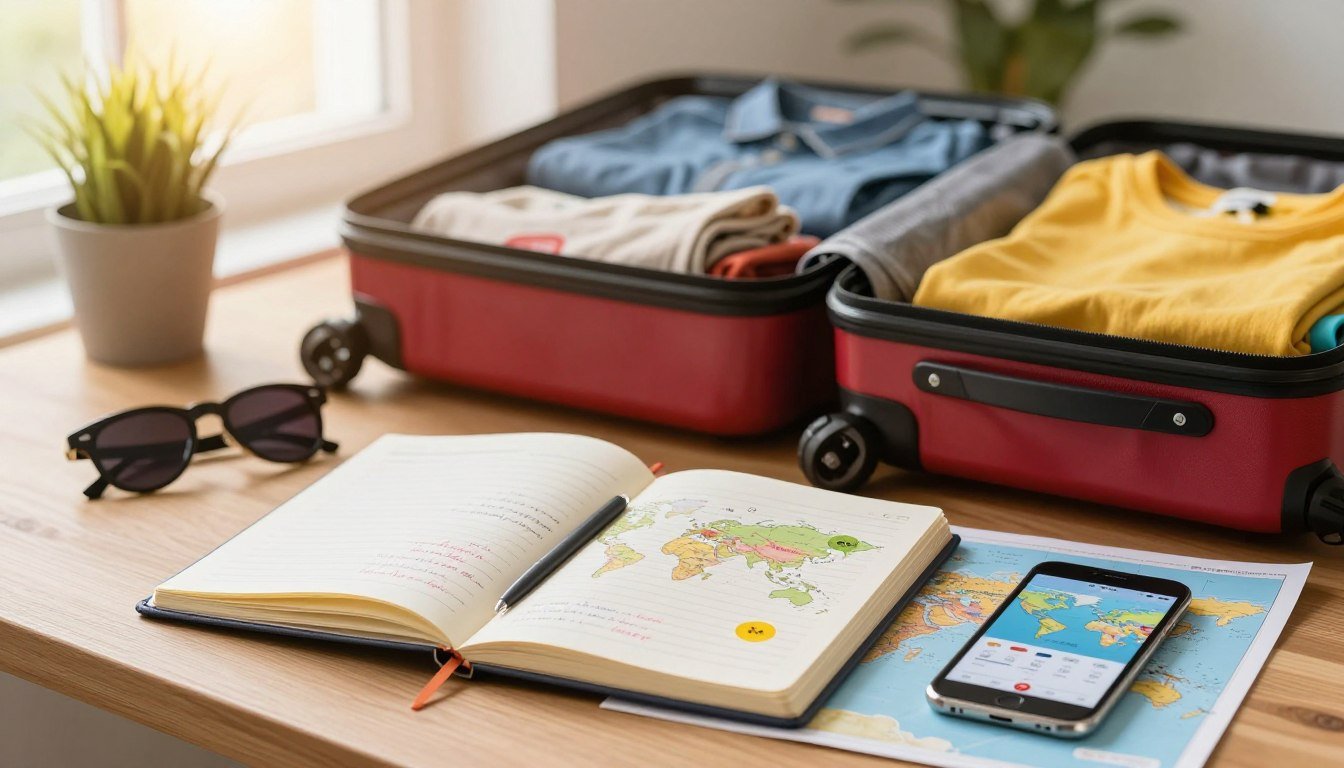
Did you know that a well-crafted travel plan can make or break your trip? With so many options available, deciding on the perfect journey can be overwhelming. Effective trip organization is key to a stress-free and enjoyable experience.
Crafting the perfect trip requires careful consideration of your travel preferences and priorities. By understanding your travel style, you can create a personalized plan that suits your needs. In this article, we will provide you with expert travel planning advice to help you create an unforgettable journey.
From understanding your goals to finalizing your trip details, we will guide you through the process with ease. With our travel itinerary planning tips, you’ll be well on your way to creating a trip that you’ll cherish forever.
The Foundations of Effective Travel Planning
The key to a successful journey lies in the planning, which begins with identifying your travel preferences and goals. Effective travel planning is about more than just booking flights and hotels; it’s about crafting an experience that meets your needs and exceeds your expectations.

Understanding Your Travel Style and Preferences
Understanding your travel style is crucial. Are you an adventure-seeker, or do you prefer relaxation? Identifying your preferences helps in creating an itinerary that is tailored to your needs. Consider what activities you enjoy, your budget, and your comfort level with different types of travel.
Setting Clear Goals for Your Journey
Setting clear goals gives direction to your trip. Are you traveling for leisure, business, or a mix of both? What are your must-see destinations or experiences? Having clear objectives helps in prioritizing activities and managing time effectively during your trip.
Balancing Structure and Spontaneity
A well-planned trip balances structured activities with spontaneous exploration. While having a plan is essential, leaving some room for unexpected experiences can enhance your travel experience. This balance ensures that your trip is both exciting and relaxing.
By understanding your travel style, setting clear goals, and balancing structure with spontaneity, you lay the groundwork for a memorable and fulfilling journey. These foundations are essential for how to plan a travel itinerary that is both effective and enjoyable, incorporating the best travel itinerary tips for a stress-free trip.
Essential Travel Itinerary Planning Tips for Success
To ensure a smooth and enjoyable journey, it’s crucial to apply effective itinerary planning strategies. A well-crafted travel plan not only enhances your travel experience but also reduces stress, allowing you to focus on the joy of exploration.
Researching Destinations Thoroughly
Thorough research is the foundation of a successful travel itinerary. Understanding your destination’s culture, climate, and attractions is vital.
Using Multiple Information Sources
Utilize various information sources, including travel blogs, guidebooks, and official tourism websites, to gather comprehensive insights about your destination. Cross-referencing information ensures accuracy and provides a well-rounded view.
Verifying Current Information
It’s essential to verify that your information is current, as travel conditions and attractions can change. Check for updates on travel advisories, weather forecasts, and local events that might impact your plans.

Creating Realistic Timeframes
Creating a realistic schedule is crucial for a stress-free trip. Overpacking your itinerary can lead to exhaustion, while too much free time might result in boredom. Strike a balance by allocating sufficient time for each activity and travel between destinations.
Building in Buffer Time
Incorporating buffer time into your itinerary is a wise strategy to accommodate unexpected delays or spontaneous decisions. This flexibility can significantly enhance your travel experience, allowing you to adapt to changing circumstances without undue stress.
Digital Tools That Revolutionize Itinerary Creation
The art of travel planning has been transformed by innovative digital tools. These tools not only simplify the planning process but also enhance the overall travel experience. By leveraging technology, travelers can now create personalized, efficient, and stress-free itineraries.
Top Apps for Travel Planning
Several apps have emerged as leaders in travel planning. These apps offer a range of features that help organize trips from start to finish.
TripIt, Google Trips, and Alternatives
Apps like TripIt and Google Trips allow users to consolidate travel plans into a single itinerary. Alternatives such as Kayak and Skyscanner provide comprehensive travel planning services, including booking flights and hotels.
Destination-Specific Applications
Many destinations have their own apps that provide valuable information and services. For example, some cities offer apps for navigating public transportation or finding local attractions.
Cloud-Based Collaboration Tools
Cloud-based collaboration tools enable travelers to share their itineraries with others, making it easier to coordinate group trips. Tools like Google Drive and Trello allow for real-time collaboration and updates, which is particularly useful when planning with multiple people or organizing expert travel itinerary planning.
Offline Access Solutions
For travelers visiting areas with limited internet connectivity, offline access solutions are crucial. Many travel apps now offer offline functionality, allowing users to access their itineraries even without internet, thus providing effective travel itinerary organization tips.
Timeline Strategy: When to Plan What
To craft the perfect trip, it’s essential to understand when to plan what, using a timeline strategy that works for you. A well-structured timeline helps in organizing your travel plans, ensuring that you don’t miss out on important details. By breaking down your planning process into manageable chunks, you can enjoy a stress-free travel experience.
6-12 Months Before: Long-Term Planning
Long-term planning is crucial for setting the foundation of your trip. 6-12 months before your trip, you should start researching destinations, deciding on travel dates, and booking flights and accommodations. This is also the time to apply for any necessary visas or travel documents. By planning ahead, you can take advantage of early bird discounts and avoid last-minute rush.
1-3 Months Before: Finalizing Details
As your trip approaches, it’s time to finalize the details. 1-3 months before departure, you should confirm your itinerary, book any remaining activities or tours, and arrange for transportation to and from the airport. This is also a good time to check the weather forecast and pack accordingly.
Week of Departure: Last-Minute Preparations
During the week of departure, focus on last-minute preparations. Check the weather forecast one last time, pack essential items, and ensure that you have all necessary documents. It’s also a good idea to exchange currency, notify your bank of your travel plans, and download any necessary travel apps.
By following this timeline strategy, you can enjoy a well-planned and stress-free trip. Remember, the key to effortless travel planning is to stay organized and focused on your travel goals.
Budgeting Strategies for Every Travel Style
A well-planned budget is the backbone of any memorable travel adventure. It allows travelers to enjoy their journey without financial stress. Effective budgeting involves several key strategies that cater to different travel styles.
Allocating Funds Across Different Trip Components
Allocating funds effectively across various trip components is crucial. This includes accommodation, transportation, food, and activities. For instance, a traveler might allocate 40% of their budget to accommodation, 20% to transportation, 20% to food, and 20% to activities and miscellaneous expenses.
| Trip Component | Percentage Allocation |
|---|---|
| Accommodation | 40% |
| Transportation | 20% |
| Food | 20% |
| Activities & Miscellaneous | 20% |
Money-Saving Techniques Without Sacrificing Experience
Travelers can save money without compromising their experience by opting for budget-friendly accommodations, using public transport, and eating at local eateries. Additionally, researching free or discounted attractions can significantly cut costs.
Building in Financial Cushions for Unexpected Expenses
It’s wise to build a financial cushion into your budget for unexpected expenses. This could be an additional 10-15% of the total budget. Having this buffer can help manage unexpected costs like medical emergencies or last-minute changes in plans.
By implementing these budgeting strategies, travelers can enjoy a more relaxed and fulfilling travel experience. Effective budgeting is one of the best travel itinerary tips for ensuring that your trip is both enjoyable and financially sustainable.
Tailoring Itineraries to Specific Trip Types
The key to a successful journey lies in tailoring the itinerary to the type of trip you’re planning. Different travelers have different needs, and understanding these needs is crucial for creating an effective travel plan.
Family Vacations with Multiple Generations
When planning a family vacation with multiple generations, it’s essential to consider the diverse interests and mobility levels within the group. Inclusive activities that cater to both children and adults are vital. Choosing destinations with a variety of accommodation options can also help ensure that everyone has a comfortable place to stay.
Solo Adventure Planning
Solo travelers often have more flexibility in their itineraries, allowing for spontaneous decisions and personal exploration. However, safety should always be a top priority. Researching destinations thoroughly and staying connected with family and friends back home can help solo travelers stay safe while still enjoying their freedom.
Romantic Getaways
For couples planning a romantic getaway, the itinerary should focus on creating intimate and memorable experiences. This might include booking a sunset dinner cruise, arranging a private wine tasting, or simply ensuring that the accommodation is cozy and secluded.
Group Travel Coordination
Coordinating travel for a group involves balancing the preferences and schedules of multiple individuals. Using collaborative planning tools can help streamline this process, ensuring that everyone is on the same page and that the itinerary meets the group’s overall needs.
By understanding the unique requirements of each trip type, travelers can create effective itineraries that enhance their overall experience. Whether you’re traveling with family, alone, as a couple, or with friends, a well-planned itinerary is the foundation of a successful and enjoyable journey.
Balancing Tourist Attractions with Authentic Experiences
To create a memorable journey, it’s essential to blend iconic tourist attractions with authentic local encounters. This balance ensures that your travel itinerary is both exciting and meaningful.
Prioritizing Experiences Based on Personal Interests
Start by identifying what truly matters to you in your travel experience. Are you fascinated by history, or do you prefer culinary adventures? Prioritizing experiences based on personal interests helps create a more engaging and satisfying trip. For instance, if you’re a food enthusiast, you might want to include cooking classes or visits to local markets in your itinerary.
Incorporating Local Recommendations
Local insights can significantly enhance your travel experience. Seek out recommendations from locals or travel experts familiar with your destination. Incorporating local recommendations can lead to discovering hidden gems that aren’t typically found in tourist guides. This approach adds a layer of authenticity to your trip, making it more memorable.
Creating Themed Days for Cohesive Experiences
Organizing your itinerary around specific themes can create a cohesive and enjoyable travel experience. For example, you could dedicate a day to exploring historical sites, followed by a day focused on cultural immersion, such as attending a local festival or workshop. Creating themed days helps in maintaining a balanced and varied itinerary, ensuring that your trip is both enriching and fun.
Transportation and Logistics Mastery
To ensure a smooth journey, travelers must become adept at managing transportation and logistics. This involves evaluating different transit options, optimizing routes, and employing effective booking strategies.
Evaluating Different Transit Options
When it comes to transportation, travelers have various options, each with its pros and cons. Understanding these options is crucial for making informed decisions.
Public Transportation vs. Rental Cars
Public transportation is often cost-effective and provides a local experience, while rental cars offer flexibility and convenience. The choice between the two depends on the traveler’s priorities and itinerary.
Alternative Transportation Methods
Alternative methods, such as ride-sharing services, bike rentals, or even walking tours, can add variety to a traveler’s journey. These options can be particularly useful in areas with heavy traffic or limited parking.
Optimizing Routes to Minimize Travel Time
Optimizing travel routes can significantly reduce travel time and enhance the overall experience. This involves researching the most efficient transportation modes and schedules.
- Using travel apps to find the quickest routes
- Booking direct flights when possible
- Avoiding peak travel hours
Booking Strategies for Better Deals and Experiences
Effective booking strategies can lead to better deals and a more enjoyable travel experience. This includes booking in advance, being flexible with travel dates, and using travel rewards programs.
Pro Tip:Consider booking transportation during off-peak seasons or using budget airlines to save on costs.
By mastering transportation and logistics, travelers can create a seamless and enjoyable journey, allowing them to focus on the true essence of their trip: exploration and making memories.
Health, Safety, and Documentation Planning
A well-planned trip involves more than just itinerary; it includes health, safety, and documentation planning. Ensuring you’re prepared in these areas can significantly enhance your travel experience.
Essential Travel Documents and Copies
Having the right documents is crucial. Ensure your passport is valid for at least six months beyond your planned departure date. Make digital copies of your passport, visa (if required), and travel insurance documents, and leave a copy with a trusted friend or family member.
Health Preparations and Insurance
Consult your doctor or a travel clinic to determine necessary vaccinations and medications for your destination. Consider travel insurance that covers medical emergencies, evacuations, and trip cancellations.
Safety Research and Emergency Plans
Research your destination’s safety concerns, such as local customs, political unrest, or health risks. Register with your government’s travel advisory program to receive important safety and security updates.
| Document | Purpose | Action Required |
|---|---|---|
| Passport | Primary identification | Ensure validity for 6+ months beyond travel dates |
| Visa | Entry permission | Obtain if required; check expiration |
| Travel Insurance | Medical and financial protection | Purchase; understand coverage |
By focusing on health, safety, and documentation, you can minimize risks and maximize your enjoyment of the trip. This preparation is part of the best travel itinerary tips that ensure a smooth and enjoyable journey.
Conclusion: Your Journey to Travel Planning Mastery
Mastering travel planning requires practice, patience, and persistence. By applying effective travel itinerary planning tips and itinerary planning strategies, you’ll be well on your way to creating unforgettable journeys. Staying flexible and being open to new experiences are key to refining your planning skills.
As you continue to plan your trips, remember to balance structure and spontaneity. This balance allows for a more enjoyable and stress-free travel experience. With each trip, you’ll become more adept at crafting the perfect travel itinerary.
By incorporating the strategies outlined in this article, you’ll enhance your ability to plan successful trips. Whether you’re a seasoned traveler or just starting out, the art of travel planning is a skill that can be developed over time with dedication and the right approach.