
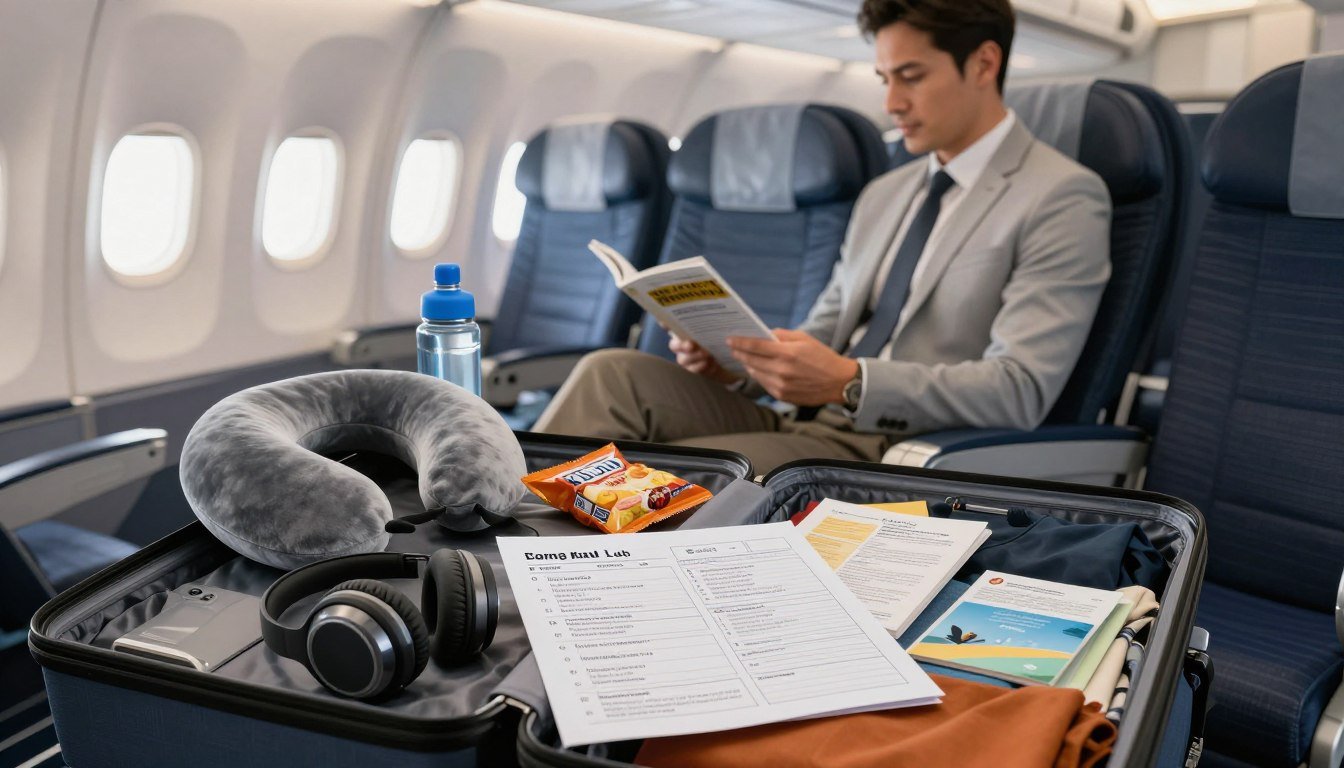
Travel Tips for Long Flights and Layovers: Embarking on a long-haul journey can be daunting, but with the right strategies, you can make your trip more enjoyable. Whether you’re a seasoned traveler or just starting to explore the world, understanding how to navigate long flights and layovers is crucial.
From staying comfortable during your flight to making the most of your layover, there are numerous ways to enhance your travel experience. This article will provide you with practical advice on how to manage your time effectively, stay entertained, and maintain your well-being during your journey.
By following these long-haul flight tips, you’ll be better prepared to handle the challenges of long-distance travel, ensuring a more pleasant and stress-free trip.
Preparing for Your Long-Haul Journey
Embarking on a long-haul journey requires meticulous planning to ensure a smooth travel experience. A crucial aspect of this preparation is planning your itinerary, particularly when it comes to layovers.
Planning Your Itinerary with Smart Layovers
When planning your layovers, it’s essential to consider the duration and the airport you’ll be transiting through. Optimal layover durations can make a significant difference in your travel experience.
Optimal Layover Durations
A layover that is too short can be stressful, while one that is too long may leave you waiting unnecessarily. Typically, a layover of 2-3 hours is considered ideal for most travelers, allowing enough time to disembark, go through security, and board your next flight without feeling rushed.
Choosing Airports Known for Efficiency
Some airports are renowned for their efficiency and amenities, making them ideal for layovers. For instance, airports like Singapore Changi or Seoul Incheon offer excellent facilities, including lounges, dining options, and entertainment.

Pre-Flight Health Considerations
In addition to planning your itinerary, it’s crucial to consider your health before embarking on a long-haul flight. Adjusting your sleep schedule and taking preventative measures can significantly impact your comfort during the flight.
Adjusting Sleep Schedule Days Before
Adjusting your sleep schedule a few days before your flight can help mitigate jet lag. Gradually aligning your sleep with the destination time zone can make a big difference.
Preventative Measures for Travel Comfort
Taking preventative measures such as staying hydrated, wearing comfortable clothing, and considering compression socks can enhance your travel comfort. It’s also wise to consult with a healthcare professional if you have specific health concerns.
Essential Packing Tips for Long Flights
Packing for a long flight requires careful consideration to maximize comfort and minimize hassle. A well-thought-out carry-on can significantly enhance your travel experience.
Carry-On Essentials You Shouldn’t Fly Without
When it comes to packing for long flights, certain items are indispensable. These include:
- Comfort items like a travel pillow and eye mask to help you relax.
- Emergency supplies such as pain relievers, band-aids, and any personal medications.
Comfort Items Worth Their Weight
Investing in comfort can make a significant difference. Consider packing a neck pillow, earplugs, and a lightweight blanket for added comfort during the flight.
Emergency Supplies for Unexpected Situations
It’s always better to be prepared. Pack a small kit with essentials like pain relievers, antibacterial wipes, and any medications you might need.

Clothing Strategies for Maximum Comfort
What you wear on a long flight can greatly impact your comfort level. Opt for loose, comfortable clothing and consider the layering approach.
The Layering Approach for Changing Cabin Temperatures
Dressing in layers allows you to adjust to changing cabin temperatures, ensuring you stay comfortable throughout the flight.
Footwear Considerations for Long Travel Days
Choose comfortable footwear that’s easy to slip on and off during security checks. Consider packing a pair of cozy socks as well.
By packing smart and focusing on comfort, you can make your long flight experience much more enjoyable.
Tech Gadgets That Make Long Flights Bearable
To make long flights more bearable, it’s essential to have the right tech gadgets that provide entertainment, comfort, and convenience. The right technology can significantly enhance your flying experience, making the hours pass more enjoyably.
Must-Have Electronics for Entertainment
When it comes to entertainment during long flights, a few key electronics can make all the difference. Tablets and e-readers are perfect for watching movies, reading books, or browsing through your favorite shows. It’s crucial to download your content before departure to avoid relying on in-flight Wi-Fi, which can be slow and unreliable.
Downloading Content Before Departure
Downloading movies, TV shows, books, and music before your flight ensures you have access to entertainment without needing an internet connection. Services like Netflix, Amazon Prime Video, and Spotify allow you to download content directly to your device.
Noise Management Solutions
Noise-canceling headphones are a must-have for long flights, helping to block out the ambient noise of the aircraft. Brands like Bose and Sony offer high-quality options that can significantly enhance your in-flight experience.
Power Solutions for Extended Travel
Keeping your devices charged is a top priority during long flights. Portable power banks are essential for ensuring your gadgets stay powered up throughout your journey.
Battery Banks and Charging Strategies
When choosing a power bank, consider its capacity and size. A power bank with a high mAh rating can charge your devices multiple times. It’s also wise to bring a charging cable that’s compatible with your devices.
International Adapter Considerations
If you’re traveling internationally, don’t forget an international travel adapter. Different countries have different power outlets and voltage requirements, so it’s crucial to have an adapter that can accommodate these differences.
Nutrition Strategies for Long-Distance Travel
Proper nutrition is essential for minimizing the discomforts associated with long-distance air travel. Eating the right foods can help maintain your energy levels, reduce jet lag, and keep you comfortable throughout your journey.
What to Eat Before and During Your Flight
Choosing the right foods before and during your flight can make a significant difference in how you feel. It’s crucial to select foods that are nutritious and easy to digest.
Foods to Avoid Before Flying
Avoid heavy, greasy, or spicy foods that can cause discomfort during the flight. Opt for light meals that are rich in nutrients.
Snack Options That Travel Well
Nuts, dried fruits, and energy bars are excellent snack options for long flights. They are nutritious, easy to carry, and don’t make a mess.
Staying Hydrated: Beyond Just Drinking Water
Staying hydrated is crucial during long-distance travel. It’s not just about drinking water; it’s also about maintaining electrolyte balance.
Electrolyte Supplements for Air Travel
Consider taking electrolyte supplements to help maintain your body’s electrolyte balance. This can be particularly helpful during long flights.
Avoiding Dehydrating Beverages
Avoid beverages that can dehydrate you, such as those containing caffeine and alcohol. Instead, opt for hydrating drinks like water and electrolyte-rich beverages.
| Hydrating Beverages | Dehydrating Beverages |
|---|---|
| Water | Coffee |
| Electrolyte-rich drinks | Alcohol |
| Herbal teas | Soda |
Mastering In-Flight Comfort
Long flights can be daunting, but with the right strategies, you can turn your travel time into a comfortable and enjoyable experience. Comfort during flights is crucial, especially on long-haul journeys.
Sleeping Techniques and Tools for Long Flights
Getting quality sleep on a plane can be challenging, but there are tools and techniques that can help. Using the right accessories can make a significant difference.
Neck Pillows and Sleep Masks: What Actually Works
Neck pillows and sleep masks are designed to enhance comfort and facilitate sleep. Not all products are created equal; some are more effective than others.
| Neck Pillow Type | Comfort Level | Support |
|---|---|---|
| Memory Foam | High | Excellent |
| Inflatable | Medium | Good |
| Microbead | High | Adjustable |
Natural Sleep Aids for Air Travel
For those who prefer not to use medication, natural sleep aids like melatonin can be effective. It’s essential to consult with a healthcare professional before using any new supplements.
Exercises and Stretches to Prevent Stiffness
Staying active during a flight can help prevent stiffness and improve circulation. Simple exercises can be done from the comfort of your seat.
Seated Movements to Improve Circulation
Seated movements like ankle rotations and toe raises can help keep your blood flowing. These exercises are easy to do and can be performed discreetly.
When and How to Walk Around the Cabin
Walking around the cabin not only helps with circulation but can also reduce the risk of deep vein thrombosis. It’s recommended to walk around every few hours.
Travel Tips for Long Flights and Layovers: Expert Strategies
The key to surviving long flights lies not just in physical comfort, but also in maintaining mental wellness. As travelers, it’s essential to adopt strategies that keep you calm, relaxed, and entertained throughout your journey.
Mental Wellness During Extended Travel
Maintaining mental wellness is crucial during long flights. Techniques such as mindfulness and meditation can significantly reduce travel stress.
Mindfulness and Meditation at 30,000 Feet
Practice deep breathing exercises and guided meditation to calm your mind. Utilize apps that offer meditation sessions tailored for travelers.
Managing Travel Anxiety Effectively
Stay informed about your flight’s status and plan ahead for layovers. Keeping a travel journal can also help manage anxiety by focusing on the positives of your journey.
Dealing with Jet Lag Proactively
Jet lag can be a significant challenge for travelers crossing multiple time zones. Proactive strategies can minimize its impact.
Time Zone Adjustment Techniques
Adjust your watch to your destination’s time zone as soon as you board. Gradually adapt your sleep schedule a few days before your trip to reduce the shock.
Post-Arrival Recovery Strategies
Upon arrival, expose yourself to natural light to reset your circadian rhythms. Stay hydrated and consider a short nap if needed, but avoid long sleeps that can disrupt your new routine.
By incorporating these expert strategies into your travel routine, you can transform your long flight experience into a more enjoyable and less stressful one.
Navigating Airports During Layovers
Airport layovers don’t have to be dull; there’s a range of activities and facilities to explore. Understanding how to navigate these spaces can turn a potentially tedious wait into a refreshing break.
Airport Amenities Worth Seeking Out
Many airports are now designed with the transit passenger in mind, offering a variety of amenities to enhance your layover experience. From luxurious lounges to innovative entertainment options, there’s something for everyone.
Lounges: When They’re Worth the Cost
Lounges provide a serene environment, often with complimentary food, drinks, and Wi-Fi. They can be accessed through membership, day passes, or sometimes included with certain credit cards or flight tickets. Consider the cost versus benefits, especially if you have a long layover.
Shower Facilities and Relaxation Areas
Some airports offer shower facilities, allowing you to freshen up during long layovers. Additionally, relaxation areas or sleep pods can be a haven for weary travelers. These amenities can significantly improve your layover experience, making it more comfortable and rejuvenating.
Security and Immigration Tips for Smooth Transitions
Navigating security and immigration efficiently is crucial for a stress-free layover. Being prepared can save you a lot of time and hassle.
Mobile Apps for Airport Navigation
Many airports have their own mobile apps that provide maps, flight updates, and information on airport amenities. Downloading these apps can help you navigate the airport more efficiently and find the best layover activities.
Fast-Track Options and When to Use Them
Consider using fast-track options for security and immigration if available. These services can significantly reduce your waiting time, allowing you to make the most of your layover. Check if your ticket or travel insurance includes such benefits.
Making the Most of Short Layovers
Efficiently managing your short layover can significantly enhance your overall travel experience. With tight connections, it’s easy to feel stressed, but with the right strategies, you can navigate the airport with ease and make the most of your time.
Efficient Airport Navigation Strategies
Navigating the airport efficiently is crucial during short layovers. Knowing exactly where you’re going can save you precious time.
Gate Location Research Before Landing
Before your plane lands, check the gate location of your connecting flight. Many airlines provide this information through their apps or in-flight entertainment systems.
Priority Services Worth Paying For
Consider investing in priority services such as expedited security screening or airport lounge access. These can significantly reduce your waiting time and provide a more comfortable experience.
Quick Refresh Techniques Between Flights
Even with a short layover, you can refresh and rejuvenate. Here are some quick techniques to help you feel more refreshed.
15-Minute Rejuvenation Routines
Simple stretching exercises or a quick meditation session can work wonders. You can also use this time to grab a healthy snack or refresh your drink.
- Stretch your legs and back
- Practice deep breathing exercises
- Enjoy a refreshing beverage
Finding Quiet Spaces in Busy Terminals
Locating a quiet area can be a sanctuary during a hectic layover. Look for airport lounges or designated quiet zones.
By implementing these strategies, you can turn a potentially stressful short layover into a more manageable and even enjoyable experience.
Turning Long Layovers into Mini Adventures
With a bit of planning, long layovers can transform from tedious waiting periods into memorable adventures. Whether you’re a seasoned traveler or just looking to make the most of your journey, turning a layover into a mini adventure can add a thrilling dimension to your travel experience.
When to Leave the Airport: Time Considerations
Deciding when to leave the airport depends on several factors, including the length of your layover and the visa requirements of the country you’re in.
Minimum Hours Needed for City Exploration
A general rule of thumb is to have at least 6 hours of layover time to explore the city. However, this can vary depending on the distance between the airport and the city center, as well as any potential traffic.
Visa Requirements for Airport Exits
Before stepping out of the airport, it’s crucial to check if you need a visa to enter the country. Some countries offer visa-free transit for a certain period, while others require a visa regardless of your layover duration.
City Tours and Excursions During Layovers
Choosing between pre-booking a tour and spontaneous exploration depends on your travel style and preferences.
Pre-Booking vs. Spontaneous Exploration
Pre-booking a tour can provide a structured experience and ensure you make the most of your limited time. On the other hand, spontaneous exploration allows for flexibility and the freedom to discover on your own.
Top Layover-Friendly Destinations
Some cities are particularly well-suited for layover explorations due to their proximity to the airport, efficient public transport, and attractions. Cities like Singapore, Dubai, and Seoul are popular for their layover-friendly environments.
| City | Layover Time Required | Visa Requirements |
|---|---|---|
| Singapore | 4-6 hours | Visa-free for many nationalities |
| Dubai | 6-8 hours | Visa on arrival for many nationalities |
| Seoul | 5-7 hours | Visa-free transit for up to 72 hours for many nationalities |
Getting Back in Time: Safety Margins
Ensuring you return to the airport with enough time to catch your next flight involves careful planning.
Transportation Timing Tips
Researching transportation options in advance and understanding the travel time to the airport can help you plan your layover more effectively.
Setting Reliable Alarms and Reminders
Setting alarms and reminders for when it’s time to head back to the airport can help prevent you from missing your flight.
By considering these factors and planning accordingly, you can turn a long layover into a valuable and enjoyable part of your travel experience, making the most of your long-haul flight tips and layover survival guide.
Dealing with Flight Delays and Disruptions
When flights are delayed or disrupted, having the right information and a flexible plan can turn a stressful experience into a manageable one. Understanding your rights as a passenger and knowing how to respond can make a significant difference.
Passenger Rights You Should Know
As a passenger, it’s essential to be aware of your rights, especially when it comes to flight delays and cancellations. Knowing what you’re entitled to can help you navigate these situations more effectively.
Compensation Eligibility Guidelines
Compensation eligibility varies depending on the airline’s policies and the reason for the delay. Generally, you’re more likely to receive compensation for delays caused by factors within the airline’s control.
Airline Responsibilities During Delays
Airlines have a responsibility to provide care to passengers during delays, which can include meal vouchers, accommodation, and communication updates. Understanding these responsibilities can help you advocate for yourself.
Creating a Backup Plan for Major Disruptions
Having a backup plan is crucial for dealing with significant flight disruptions. This includes knowing your options for emergency accommodations and having strategies for rebooking your flight.
Emergency Accommodation Options
In the event of an overnight delay, airlines may provide or reimburse for hotel accommodations. It’s essential to understand the process for securing these accommodations and what expenses are typically covered.
Rebooking Strategies When Plans Change
Rebooking a flight due to a delay or cancellation requires a strategic approach. Being flexible with your travel dates and knowing how to use airline rebooking tools can help you find a new flight quickly.
Special Considerations for Different Travelers
Different travelers have different needs, and understanding these can make a big difference in their travel experience. Long flights and layovers can be challenging for everyone, but certain groups face unique difficulties that require special consideration.
Family Travel: Keeping Kids Happy on Long Flights
Traveling with children requires extra planning to keep them entertained and comfortable during long flights. Age-appropriate entertainment planning is crucial. This can include:
- Downloading kid-friendly movies and shows on tablets
- Packing travel-sized games and puzzles
- Encouraging children to bring their favorite toys or comfort items
Age-Appropriate Entertainment Planning
For younger children, simple toys and coloring books can be very effective. Older kids might enjoy more complex games or electronic devices loaded with their favorite content.
Managing Sleep Schedules for Young Travelers
Adjusting sleep schedules before traveling can help minimize jet lag. Ensuring children are well-rested before the flight can make the journey more enjoyable for the whole family.
Tips for Senior Travelers and Those with Health Concerns
Senior travelers or those with health concerns have their own set of needs. Mobility assistance services can be invaluable for those who require help navigating airports.
| Service | Description | Benefit |
|---|---|---|
| Mobility Assistance | Help with navigating the airport | Reduces stress and physical strain |
| Medication Management | Organizing and administering medication during travel | Ensures health and safety during the trip |
Mobility Assistance Services
Many airports offer mobility assistance services, including wheelchair assistance and priority boarding, to help senior travelers or those with mobility issues.
Medication Management During Long Trips
It’s essential to plan medication schedules around flight times and layovers. Carrying medication in original packaging and having a copy of prescriptions can be helpful.
Conclusion: Transforming Travel Time into Quality Time
Long flights and layovers can be challenging, but with the right strategies, they can become opportunities to relax, be productive, or explore new places. By applying extended flight travel tips, such as planning your itinerary, packing smartly, and staying entertained, you can make the most of your travel time.
Effective long flight packing tips ensure you’re prepared for any situation, from unexpected delays to changing weather conditions. Meanwhile, layover activities for travelers can turn a mere wait into a mini-adventure, whether that’s exploring the airport’s amenities or venturing into the city.
By being prepared and making the most of your travel time, you can transform what might seem like tedious hours into quality time. Whether you’re looking to rest, work, or explore, the right mindset and preparation can make all the difference. So, the next time you’re facing a long flight or layover, remember that with a little planning, you can turn travel time into an enjoyable experience.