
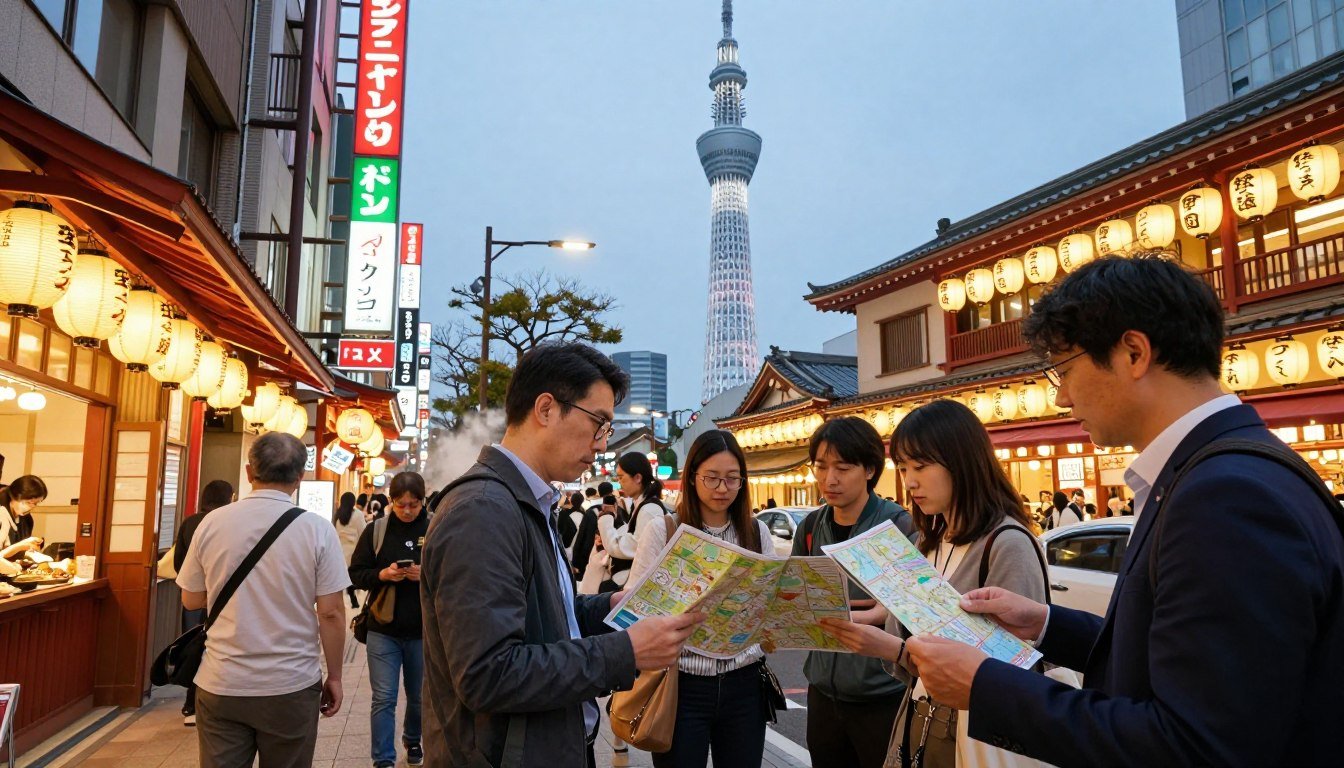
Your Tokyo Travel Guide: How to Navigate, Dine, and Save: Discover the vibrant city of Tokyo, where ancient traditions meet cutting-edge technology. To make the most of your trip, being prepared is key.
Tokyo travel tips can make a significant difference in your experience. From navigating the complex transportation system to savoring local cuisine without breaking the bank, a little knowledge can go a long way.
With this comprehensive travel guide to Tokyo, you’ll learn how to enjoy the city’s unique culture, dine on delicious food, and manage your expenses effectively, ensuring a memorable Tokyo budget travel experience.
Getting Ready for Your Tokyo Adventure
As you prepare for your Tokyo adventure, understanding the best time to visit and what to pack is crucial. Tokyo, a city that seamlessly blends traditional culture with modern technology, is a destination that can be enjoyed throughout the year, but the experience varies significantly with the seasons. Planning your trip around the best time to visit and packing accordingly can make a big difference in your travel experience.
Best Time to Visit Tokyo
The best time to visit Tokyo is during the spring (March to May) and autumn (September to November). Spring brings mild temperatures and the famous cherry blossoms, making it a peak tourist season. Autumn, on the other hand, offers comfortable temperatures and beautiful foliage.
| Season | Weather | Events |
|---|---|---|
| Spring | Mild temperatures | Cherry Blossom Festival |
| Autumn | Comfortable temperatures | Autumn Leaves |
| Summer | Hot and humid | Obon Festival |
| Winter | Mild but chilly | New Year (Oshogatsu) |
Essential Items to Pack
Packing the right items can ensure a comfortable and enjoyable trip to Tokyo. Comfortable walking shoes are a must, as you’ll likely be doing a lot of walking. Other essentials include lightweight clothing for spring and autumn, and breathable clothing for summer.

- Comfortable shoes
- Lightweight clothing
- Breathable clothing for summer
- Layers for cooler weather
- Travel adapter for Japan
Understanding Tokyo’s Geography
Understanding the geography of Tokyo is crucial for navigating this vast and fascinating city. Tokyo’s layout is complex, with numerous districts, each offering a unique experience.
Major Districts and Their Characteristics
Tokyo is divided into several major districts, including Shibuya, Shinjuku, and Asakusa. Shibuya is known for its fashion and entertainment, while Shinjuku is a hub for business and nightlife. Asakusa, on the other hand, is famous for its historic temples and traditional culture.
| District | Characteristics | Attractions |
|---|---|---|
| Shibuya | Fashion, Entertainment | Shibuya Crossing, Shopping |
| Shinjuku | Business, Nightlife | Tokyo Metropolitan Government Building, Kabukicho |
| Asakusa | Historic, Traditional | Senso-ji Temple, Nakamise Shopping Street |
Tokyo’s Layout: A First-Timer’s Overview
For first-time visitors, Tokyo’s layout can seem overwhelming. However, with a basic understanding of the city’s structure, navigating becomes much easier. The city’s transportation network, including the JR lines and Tokyo Metro, provides efficient tokyo transportation options.

Using a travel guide to tokyo can also help in planning your itinerary and discovering the best food in tokyo. Whether you’re exploring historic districts or enjoying modern attractions, Tokyo has something for everyone.
Travel Guide to Tokyo: Transportation, Food, and Costs
As you prepare for your Tokyo adventure, understanding the city’s transportation, food scene, and costs is crucial for a smooth and enjoyable trip. Tokyo is a city that offers a unique blend of traditional and modern experiences, and being prepared will help you make the most of your time there.
Overview of What to Expect
Tokyo’s transportation system is renowned for its efficiency and complexity. The city boasts an extensive network of subway lines, buses, and trains, making it easy to get around. You can expect to use the JR train lines and Tokyo Metro frequently during your stay. Additionally, the city’s food scene is incredibly diverse, ranging from traditional sushi and ramen to modern fusion cuisine.
When it comes to costs, Tokyo can be expensive, but with some planning, you can manage your expenses effectively. Accommodation options range from budget-friendly hostels to luxury hotels. Understanding the cost of living in Tokyo will help you plan your budget for food, transportation, and activities.
Planning Your Budget Effectively
To plan your budget effectively, consider the following breakdown of typical costs in Tokyo:
| Category | Average Cost (USD) | Notes |
|---|---|---|
| Meal at a Mid-Range Restaurant | $15-$25 | Expect to pay around $20 for a meal at a mid-range restaurant. |
| Public Transportation (Single Ride) | $2-$3 | Using a prepaid IC card like Suica or Pasmo can simplify your travel. |
| Accommodation (Nightly) | $80-$150 | Budget-friendly options start at around $30, but average prices are higher. |
By understanding these costs and planning accordingly, you can enjoy all that Tokyo has to offer without breaking the bank. Whether you’re traveling on a tight budget or looking to splurge, Tokyo has something for everyone.
Arriving in Tokyo: Airport Transportation
Tokyo’s airports, Narita and Haneda, are well-connected to the city center, offering various transportation options for travelers. Whether you’re arriving for business or leisure, understanding your transportation options from the airport is crucial for a smooth start to your Tokyo adventure.
From Narita Airport to Central Tokyo
Narita Airport, located about 60 kilometers from central Tokyo, offers several transportation methods to reach the city. The most convenient way is by train, with the Narita Express (N’EX) being a popular choice, taking approximately 60 minutes to reach Tokyo Station. Alternatively, the Skyliner service, operated by Keisei Electric Railway, provides a comfortable ride into the city. Buses are also available, offering a more budget-friendly option, though travel times can be longer due to traffic.
From Haneda Airport to Central Tokyo
Haneda Airport, situated closer to the city center than Narita, provides quick and efficient access to Tokyo. The Tokyo Monorail connects Haneda to Hamamatsucho Station in central Tokyo, from where you can easily transfer to other lines. The Keikyu Line is another option, offering direct access to Shinagawa and other major stations. For a more direct route, limousine buses are available, though they may be affected by traffic conditions.
Both Narita and Haneda airports offer a range of transportation options, making getting around Tokyo straightforward from the moment you arrive. Planning ahead and choosing the right transportation method can save you time and enhance your travel experience, embodying valuable Tokyo travel tips.
Mastering Tokyo’s Transportation System
Mastering Tokyo’s transportation network is key to enjoying a hassle-free trip to this vibrant city. Tokyo’s transportation system is a complex network of trains, subways, buses, and taxis, all working together to move millions of people daily.
The Railway Network: JR Lines and Tokyo Metro
At the heart of Tokyo’s transportation system is its extensive railway network, comprising JR Lines and Tokyo Metro. The JR Lines include several train lines that cover a wide area, including the famous Yamanote Line, which circles central Tokyo. The Tokyo Metro, on the other hand, provides comprehensive coverage within the city, with multiple lines intersecting at various stations. Understanding how these lines connect is crucial for navigating Tokyo efficiently.
IC Cards: Suica and Pasmo
One of the most convenient aspects of Tokyo’s transportation is the use of IC cards, such as Suica and Pasmo. These prepaid cards can be used across different railway lines, buses, and even some vending machines, making travel simpler and more convenient. Simply tap your card on the reader at the gate, and you’re on your way.
Buses, Taxis, and Alternative Transport
While trains and subways are the primary modes of transportation in Tokyo, buses and taxis are also available. Buses cover areas not well-served by the railway network, and while they may not be as frequent, they offer a more leisurely way to see the city. Taxis are readily available but can be more expensive, especially during rush hour. Alternative transport options, such as bike rentals, are also becoming more popular, offering a unique way to explore Tokyo’s neighborhoods.
Navigating Tokyo Like a Local
Navigating Tokyo’s complex transportation system can be daunting, but with a few insider tips, you’ll be zipping around like a local in no time. To help you get started, we’ve put together some essential tips on understanding station layouts, using the right apps, and behaving like a Tokyo native on public transport.
Understanding Station Layouts and Signage
Tokyo’s train stations are often vast and confusing, with multiple lines and exits. To navigate them effectively, look for the color-coded signs and English translations that are now common in most stations. Familiarize yourself with the station maps, usually found near the ticket gates or on the platforms.
- Pay attention to the different lines and their corresponding colors.
- Note the direction of travel (e.g., inbound or outbound).
- Use the station’s signage to find the correct exit.
Useful Transportation Apps
Several apps can make navigating Tokyo’s transportation system much easier. Google Maps is indispensable for planning routes and understanding the network. Other useful apps include Hyperdia and Japan Travel Bureau’s Japan Guide, which offer detailed information on train lines and schedules.
Etiquette on Public Transport
When using Tokyo’s public transport, there are a few rules of etiquette to keep in mind. Give up your seat to elderly or disabled passengers, and avoid eating or drinking on the train. Keep your voice down and avoid using your phone in crowded areas.
- Be mindful of your belongings, especially in crowded trains.
- Follow the rules for priority seating.
- Keep your ticket handy for inspection.
By following these tips, you’ll be well on your way to navigating Tokyo like a local. Enjoy your travels!
Tokyo’s Diverse Food Scene
Exploring Tokyo’s food scene is a journey through a world of flavors and culinary traditions. From traditional Japanese cuisine to modern fusion dishes, Tokyo offers a diverse range of delicious food options that cater to all tastes and dietary needs.
Must-Try Traditional Japanese Dishes
Tokyo is renowned for its traditional Japanese cuisine, which includes a variety of dishes that are both flavorful and visually appealing. Some must-try dishes include Sushi, Ramen, and Tempura. Sushi, for instance, is a classic Japanese dish made with vinegared rice and fresh seafood, often served with wasabi and soy sauce.
For those looking to experience the best of Tokyo’s food scene, trying these traditional dishes at local restaurants is a must. Tsukiji Outer Market is a great place to sample fresh sushi, while Ichiran Ramen is famous for its rich tonkotsu ramen.
Street Food and Market Experiences
Tokyo’s street food and markets offer a unique culinary experience. Visitors can enjoy a range of snacks and dishes, from Yakitori (grilled chicken skewers) to Takoyaki (octopus dumplings). The city’s festivals and markets, such as the Tsukiji Outer Market and Ameya Yokocho, are perfect places to try these street foods.
Navigating Dietary Restrictions in Japan
For travelers with dietary restrictions, Tokyo can present some challenges. However, many restaurants now offer options for vegetarians, vegans, and those with gluten intolerance. It’s helpful to learn some basic Japanese phrases, such as “I’m vegetarian” ( はベジタリアンです), to communicate your dietary needs.
| Dietary Need | Japanese Phrase | English Translation |
|---|---|---|
| Vegetarian | はベジタリアンです | I am vegetarian |
| Gluten-free | グルテンフリー | Gluten-free |
| Vegan | ビーガン | Vegan |
Where to Eat in Tokyo: From Budget to Luxury
Tokyo offers a diverse culinary landscape, from budget-friendly eats to luxurious dining experiences. Whether you’re a foodie on a tight budget or looking to splurge, Tokyo has something for everyone.
Affordable Dining Options
For those on a budget, Tokyo’s street food and casual eateries offer delicious and affordable meals. Try yakitori at a local izakaya or sample fresh sushi at the Tsukiji Outer Market. A meal can cost as little as ¥500 (around $4.50 USD).
Mid-Range Restaurants Worth Visiting
For a more substantial meal without breaking the bank, consider mid-range restaurants. Establishments like Tonari offer high-quality sushi at reasonable prices. Expect to pay around ¥2,000-¥5,000 ($18-$45 USD) per person.
Splurge-Worthy Culinary Experiences
For a luxurious dining experience, Tokyo’s high-end restaurants are unparalleled. Restaurants like Narisawa offer a unique, multi-course culinary journey. Be prepared to spend upwards of ¥20,000 ($180 USD) per person.
From budget-friendly street food to luxurious fine dining, Tokyo’s culinary scene has something to offer every traveler.
Understanding Tokyo’s Cost of Living
Understanding the cost of living in Tokyo is crucial for travelers to plan their trip effectively. Tokyo, known for its vibrant culture and cutting-edge technology, can be expensive, but with some planning, you can manage your expenses.
Accommodation Expenses
Accommodation is one of the significant expenses when traveling to Tokyo. The city offers a wide range of options from budget-friendly hostels to luxury hotels. On average, a night in a budget hotel can cost around $30-$50, while a mid-range hotel can cost between $100-$200 per night. For those looking to splurge, luxury hotels can cost upwards of $500 per night.
Daily Food Costs
Food in Tokyo can range from affordable street food to high-end dining experiences. A meal at a local restaurant can cost between $5-$10, while a meal at a mid-range restaurant can cost around $15-$30. For those who want to try high-end cuisine, prices can go up to $100 or more per meal. On average, daily food costs can range from $30-$50 per day for budget travelers.
Entertainment and Shopping Prices
Entertainment and shopping are significant aspects of the Tokyo experience. The cost of entertainment can vary widely. For example, visiting a temple or museum can cost between $5-$10, while a night out at a club or bar can cost $50-$100 or more. Shopping prices also vary, with affordable options available at local markets and higher-end options at luxury department stores.
Here are some key expenses to consider when planning your trip to Tokyo:
- Accommodation: $30-$500 per night
- Food: $5-$100 per meal
- Entertainment: $5-$100 or more per activity
By understanding these costs, travelers can better plan their trip to Tokyo and make the most of their experience.
Money-Saving Tips for Tokyo Travelers
Tokyo, a city known for its high cost of living, can be explored on a budget with the right strategies. Whether you’re a foodie, a shopaholic, or an adventure-seeker, there are numerous ways to save money without compromising on the quality of your experience.
Transportation Passes and Discounts
One of the most effective ways to save on transportation costs in Tokyo is by using prepaid IC cards like Suica or Pasmo. These cards offer discounts and convenience, making it easier to navigate the city’s extensive railway network. Consider purchasing a Tokyo Metro 24-hour Pass or a JR East Pass for unlimited travel on certain lines.
Affordable Accommodation Strategies
For budget-friendly accommodation, look beyond traditional hotels. Options like hostels, guesthouses, and Airbnb apartments can offer significant savings. Booking in advance and considering areas outside the central districts can also help reduce costs.
Free and Low-Cost Attractions
Tokyo offers a wealth of free and low-cost attractions. Visit the Imperial Palace East Garden for a serene escape, explore the Tsukiji Outer Market for fresh sushi and seafood, or take a stroll through the beautiful Shinjuku Gyoen National Garden. Many museums also offer free or discounted admission on certain days of the week or month.
Shopping Smart: Tax-Free and Discount Options
When shopping, look for stores that offer tax-free shopping for foreigners. Some major retailers provide discounts and tax exemptions on purchases over a certain amount. Always check for any available discounts or promotions before making a purchase.
| Category | Budget Option | Cost |
|---|---|---|
| Transportation | Suica/Pasmo Card | $3-$5 initial deposit |
| Accommodation | Hostel Dorm | $20-$30 per night |
| Attraction | Imperial Palace East Garden | Free |
| Shopping | Tax-Free Shopping | Variable savings |
Conclusion: Making the Most of Your Tokyo Experience
With a comprehensive travel guide to Tokyo, you’re ready to embark on an unforgettable adventure. By being prepared, you’ll navigate the city like a local, taking advantage of Tokyo travel tips to ensure a smooth journey.
From savoring the best food in Tokyo to managing your expenses, every aspect of your trip can be optimized. Enjoy the diverse culinary scene, from traditional Japanese dishes to modern street food, and explore the city’s many districts, each with its unique character.
By applying the tips and insights from this guide, you’ll be able to make the most of your time in Tokyo, creating memories that will last a lifetime. Whether you’re a foodie, a culture enthusiast, or an adventure-seeker, Tokyo has something to offer, and with this guide, you’re ready to experience it all.